Sports photography is about making sharp, usable action images under pressure. To do that consistently, you need reliable camera settings, better timing, cleaner positioning, and a post-game workflow that does not bury you in avoidable cleanup.
That is what makes sports photography different from a lot of other genres. You are working with fast movement, changing light, uneven backgrounds, and very little time to recover from a bad decision. If your settings are loose, your position is wrong, or your burst timing gets sloppy, the keeper rate drops before you even open the first file.
This guide focuses on the parts that matter most in real sports coverage: camera settings, autofocus, timing, positioning, sequence control, culling, and a post-game workflow that stays efficient when the file count gets large.
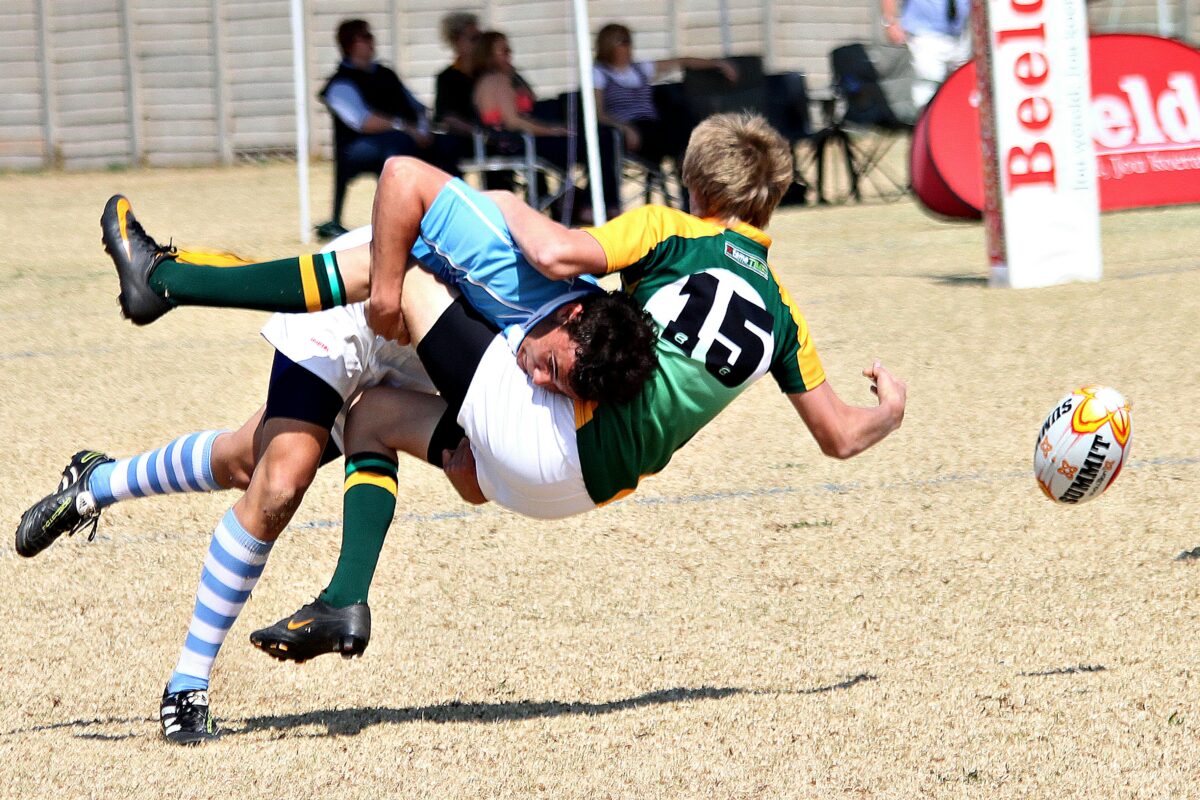
Why Sports Photography Is Hard
The core challenge in sports photography is that several things fail at once when the setup is off. Motion gets soft. Faces turn away. The ball leaves the frame. Backgrounds get busy. A sequence that felt safe in the moment suddenly gives you very little to keep.
That is why the goal is not just to shoot more. It is to raise the keeper rate. The better your settings, angle, and timing decisions are during the event, the less cleanup you create later.
Camera Settings for Sports Photography
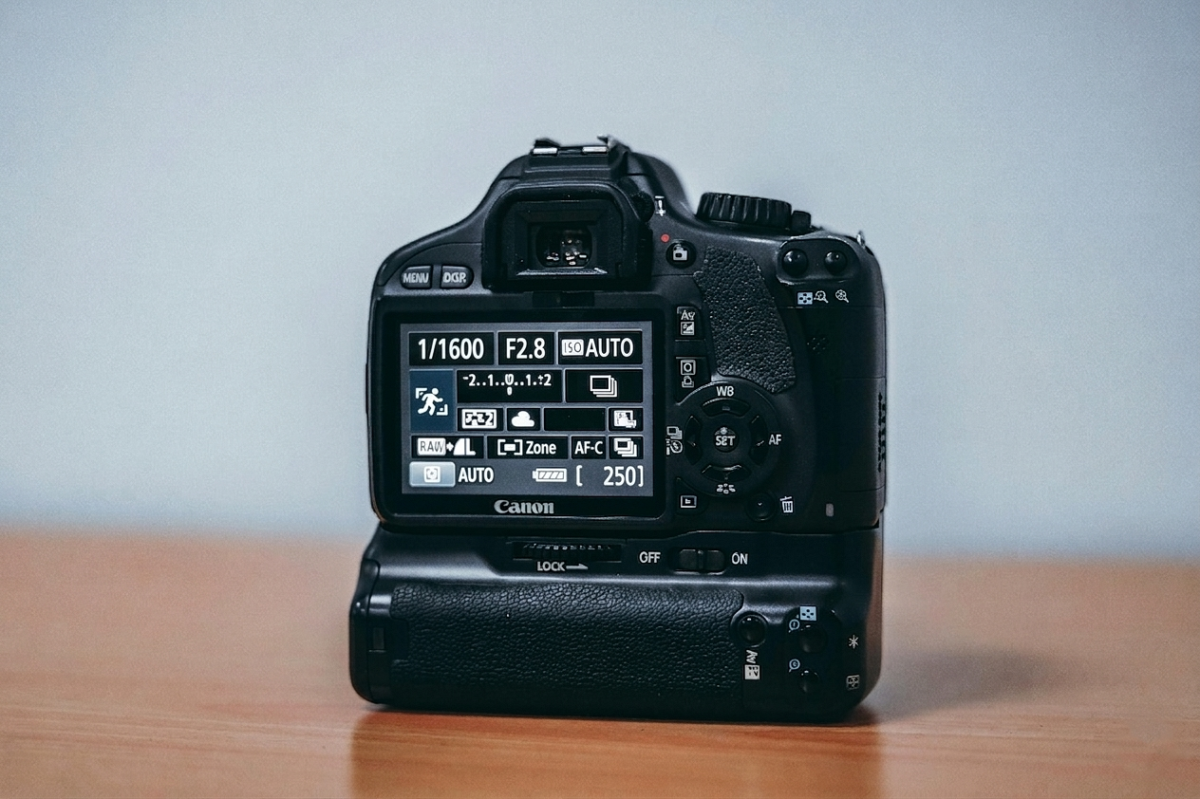
In most sports, shutter speed is the first decision. If motion detail is not there, the image loses value quickly. From there, aperture, ISO, and autofocus need to support speed instead of fighting it.
Quick baseline settings
Use these as starting points, not as hard rules:
- Outdoor field or court sports:
1/1000sto1/2000sif you want to freeze action cleanly - Indoor or low-light sports: keep shutter speed as high as the venue allows, then let ISO rise before sacrificing too much motion detail
- Autofocus:
AF-C/ continuous autofocus, with subject tracking, zone AF, or dynamic area depending on how crowded the scene is - Drive mode: high-speed burst, but only if you are using it intentionally
- Exposure workflow: manual exposure with Auto ISO is often the most stable option when light changes quickly
Indoor and low-light sports photography
Low-light sports photography is where weak setups fall apart fastest. Gyms, arenas, and evening fields usually force a tradeoff between shutter speed, noise, and consistency. In those conditions, stability matters more than perfection.
If the venue uses LED boards or uneven stadium lighting, anti-flicker settings can help. The same goes for using a narrower focus area when the background is bright or chaotic. The point is to make the camera more predictable, not more clever.
Lens Choice, Positioning, and Timing
A lot of weak sports photos are blamed on settings when the real problem is position.
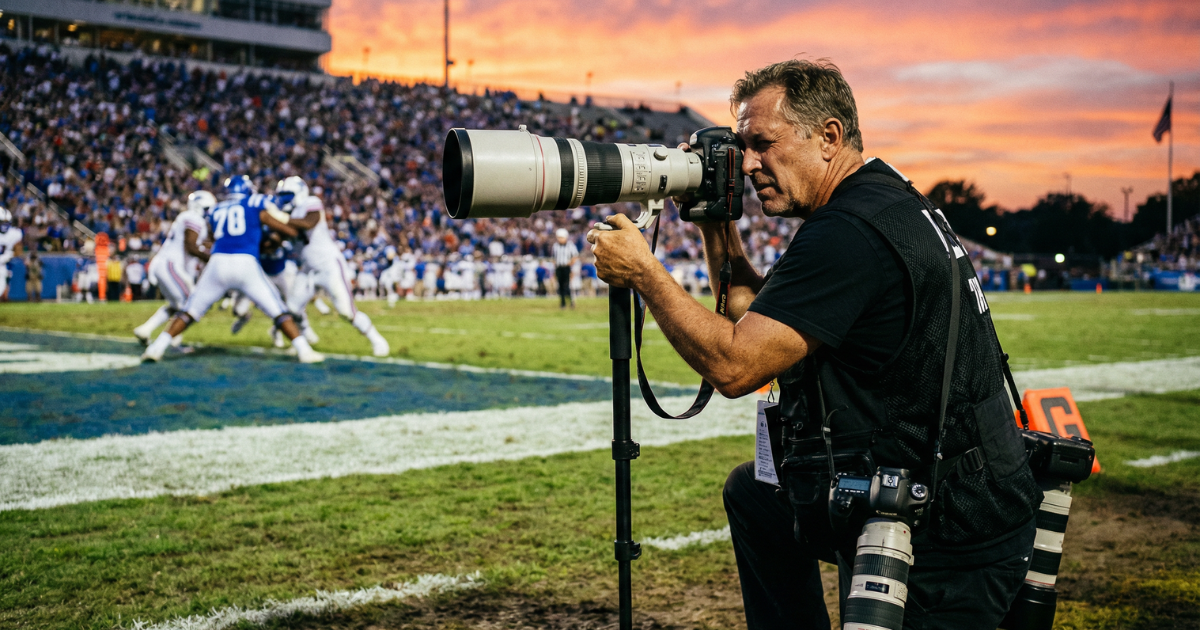
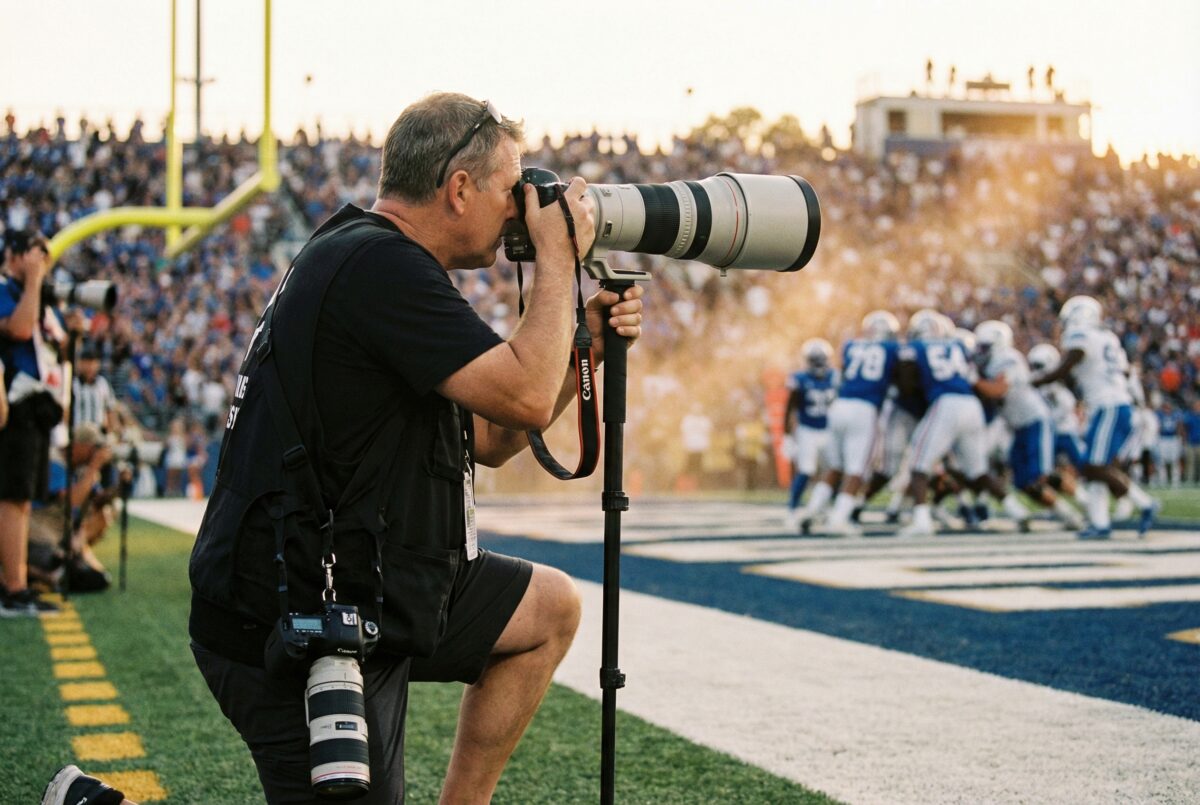
Lens choice should match the distance and the kind of coverage you need. A 70-200mm is still the practical workhorse for a lot of sports because it covers action, reactions, and sideline moments without slowing you down too much. Longer telephoto glass makes sense when access is limited. A wider lens helps when you want pre-game atmosphere, bench shots, or scene-setting frames.
On the field or court, do not chase every lane at once. Work one lane, one play pattern, or one type of action at a time. Look for the point where face and ball meet, face and contact meet, or face and reaction meet. That is usually where the useful frame is.
If the background is hurting the keeper rate, or if the light has shifted badly in one area, reposition during a quarter break, halftime, or timeout. Good sports coverage is rarely about finding one perfect angle and staying there all game. It is about making a few good location decisions at the right time.
What to look for in the frame
The most useful sports images usually give you at least two of these at once:
- a visible face
- clear action or contact
- a clean enough background
- a readable body position
- a moment that feels complete rather than almost there
Burst Mode and Sequence Control
Burst mode is useful in sports photography, but uncontrolled burst shooting creates messy sequences. That slows everything down later.
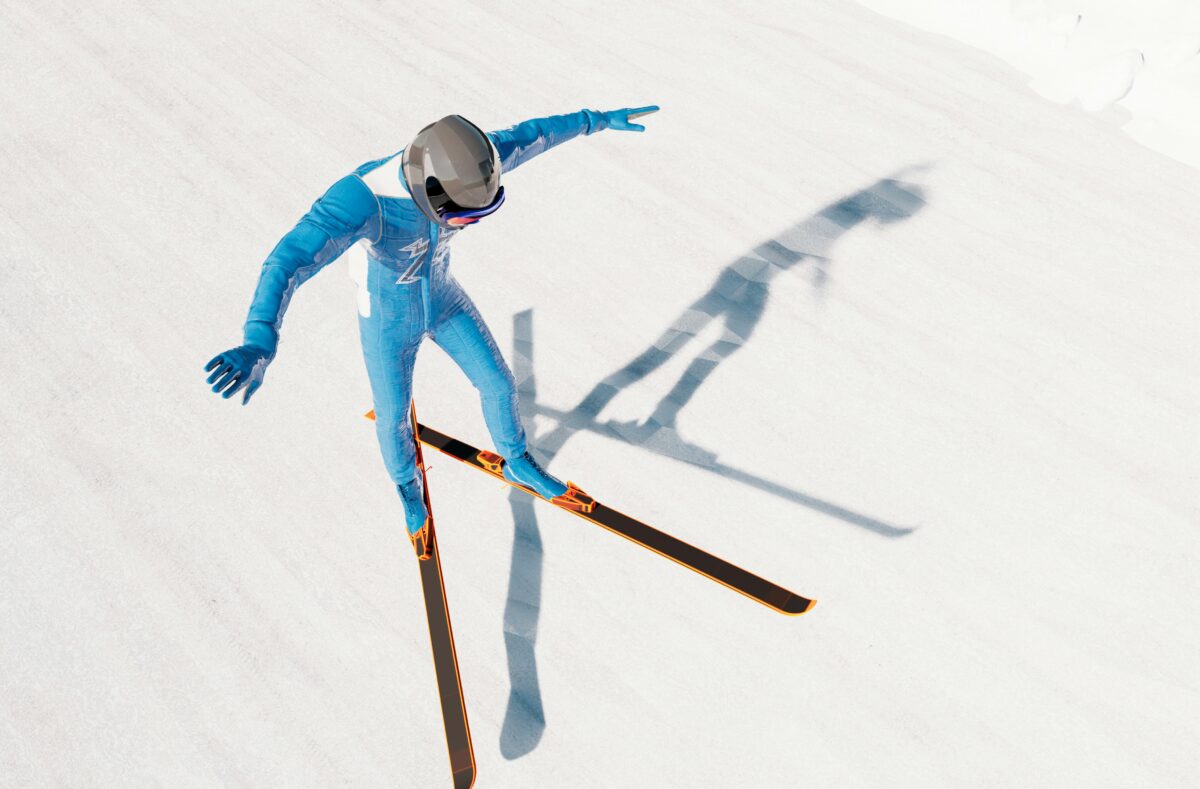
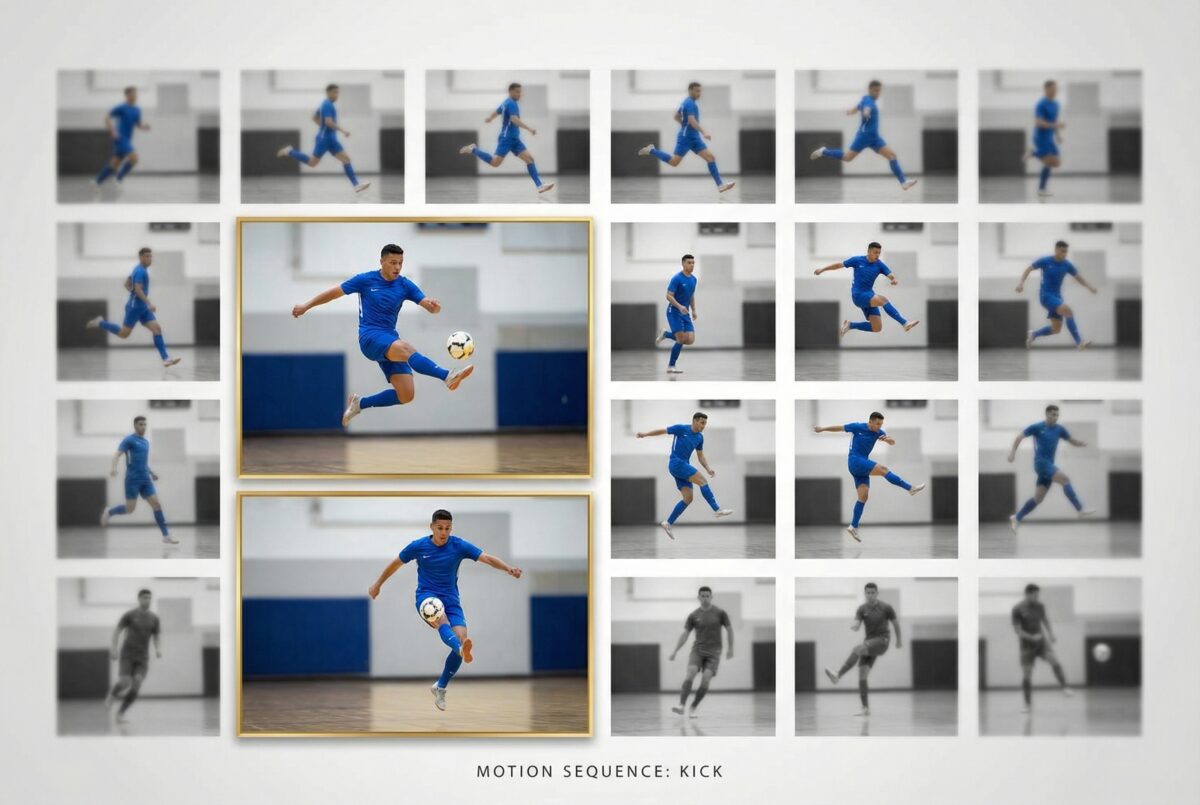
The better approach is burst with intent. Instead of holding the shutter down through the full play, pre-visualize the part that matters most: the kick at contact, the release point, the jump at full extension, the landing, or the reaction right after the score. Then fire a short sequence around that moment.
In practice, many sports sequences only need one strong peak-action frame and one strong reaction frame. Everything else is usually there to support that choice.
Common burst mistakes
The fastest way to bloat a sports edit is to do one of these:
- spray through the whole play instead of shooting one short sequence
- keep ten versions of the same body position
- treat every frame in a burst as if it deserves equal review time
- stay in one visual rhythm for the whole game and come back with a repetitive gallery
Culling a Sports Sequence
Culling is where a sports gallery starts feeling professional. If you edit before cutting, you waste time polishing frames that were never going to survive.
Start with the obvious rejects:
- out of focus frames
- motion blur that kills subject detail
- blocked faces, limbs, or ball position
- weak body position
- weaker duplicates from the same sequence
Do not use one rule mechanically. For example, a partially closed eye is not automatically a bad sports frame if the action, contact, and expression still carry the image. Sequence judgment matters more than checkbox judgment.
The real goal is to leave each sequence with the frame that best carries the play, plus any reaction shot that adds value to the story.
Keep the Edit Consistent in Mixed Light
This is where sports editing either gets efficient or starts falling apart.
One global master edit is not always enough, especially in indoor mixed light, under ugly stadium LEDs, or when weather shifts across the event. A better workflow is to build two to four anchor edits for different lighting pockets, camera positions, or parts of the venue, then sync within each bucket.
That approach gives you more stable skin exposure, jersey color, white balance, grass or court color, and overall contrast. It also prevents the gallery from feeling like several unrelated shoots stitched together.
Once those anchor edits are in place, spend manual time on the hero frames. Focus on the parts that matter most in delivery:
- face exposure
- white balance
- jersey color
- crop
- local contrast
- noise control
That is usually a better use of time than overworking the full set.
Where Evoto Can Help in the Editing Workflow
If you already have a solid first cut of the game, Evoto is most useful in the part of the edit that tends to get repetitive.


Powerful AI Photo Editor
In a real sports editing workflow, that usually means:
- cleaning up large groups of near-duplicate frames faster
- moving through first-pass sort and obvious rejects more efficiently
- syncing grouped color and exposure adjustments across a sequence
- tightening consistency when different lighting buckets still need to feel like one gallery
- reducing turnaround time on larger game or event sets
Used that way, it stays in the right role. It is not deciding peak moment, storytelling value, or editorial crop for you. It is simply a faster way to handle repetitive cleanup and consistency work once the real image choices are already made.
Conclusion
Strong sports photography comes from making better decisions before, during, and after the play. Get the settings stable, work angles that give you face and action together, shoot bursts with intent, cut hard, and group the edit by real lighting conditions instead of trying to force one look across everything.
If burst-sequence culling, mixed-light consistency, or fast team-event turnaround is where your edit usually slows down, Evoto is worth considering for that part of the workflow. It can help with sorting and grouped adjustments without taking the photographer out of the decision-making loop.
Try Evoto AI Photo Editor
Retouch photos with Evoto AI and make your photos best! Available on Windows, MacOS and iPadOS.