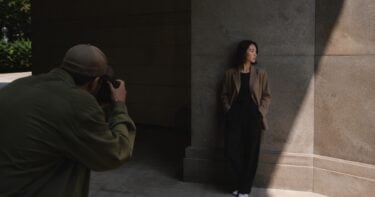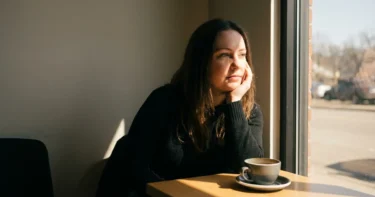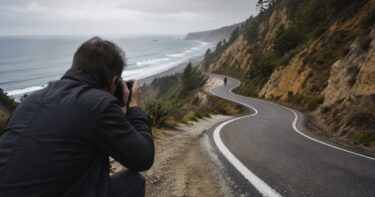

High contrast images stand out fast because it does more than increase the difference between light and dark. It makes shape, depth, texture, and mood feel stronger, which is why high contrast photography can look so bold and immediate.
That same strength is also why high contrast is easy to overdo. This guide explains what a high contrast image really is, what creates that look, when it works best, when it starts going too far, and how to shoot and edit it without turning the frame muddy or harsh.
What Is a High Contrast Image?
A high contrast image is a photo where the darker and brighter parts of the frame feel strongly separated from each other. The shadows look deeper, the highlights look brighter, and the tonal structure feels more forceful overall.
That does not just change exposure feel. It changes how the whole image reads. Shapes become clearer, edges feel stronger, and the photo often looks more dramatic at first glance.
This is why a high contrast image usually feels more graphic than a softer photo. The separation between tones gives the frame more visual impact.
What Makes an Image High Contrast?
The most obvious part is deeper shadows and brighter highlights. When those tonal areas pull farther apart, the image feels stronger and more defined.
But the look is not created by brightness alone. Subject separation matters too. If the subject stands out clearly from the background, if edges feel more distinct, and if the tonal spacing feels wider, the image reads as higher contrast.
Light and scene choice also matter. Harder light, darker backgrounds, stronger side light, and scenes with natural tonal division often make it easier to create a high contrast image in the first place.
Black-and-white can make this feel even stronger because the image depends more directly on tonal separation once color is no longer carrying part of the visual weight.
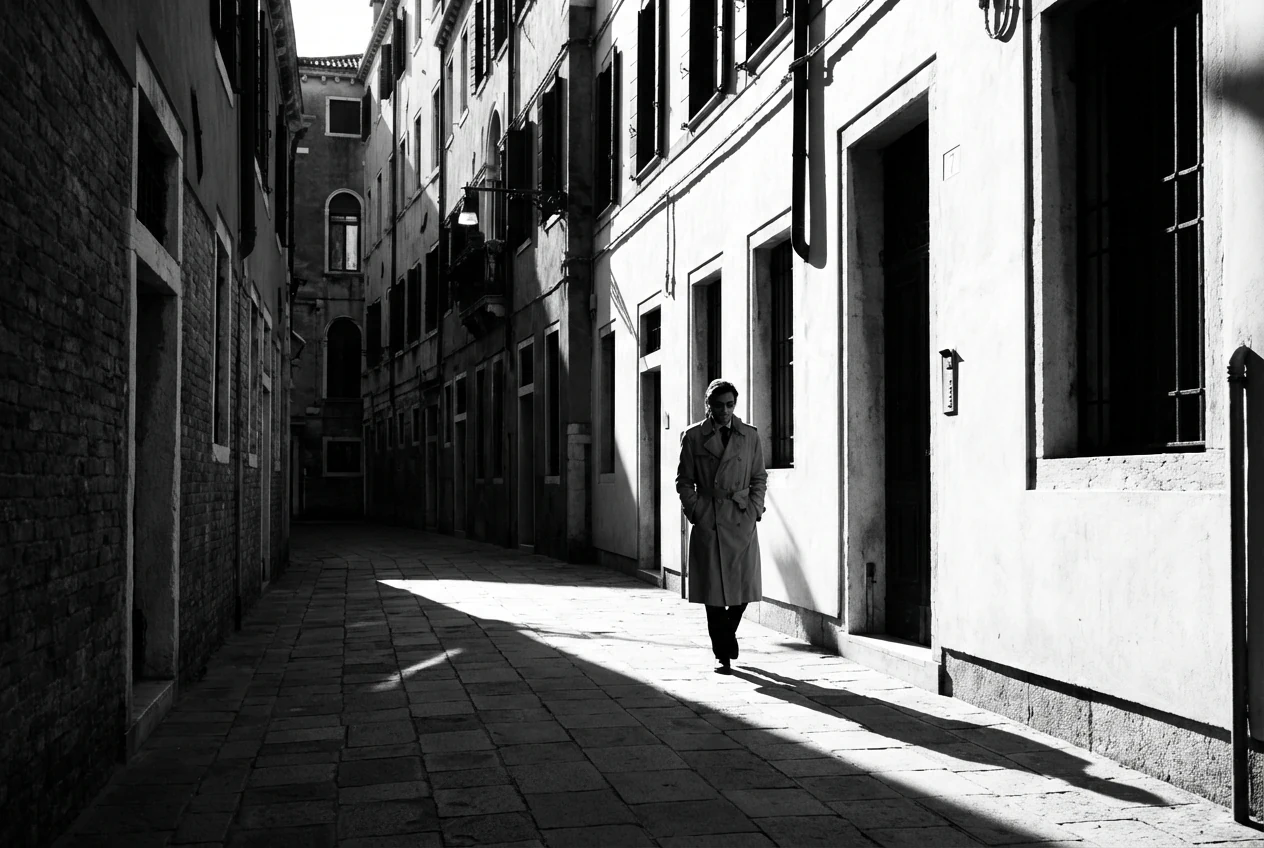
Why High Contrast Images Feel So Strong
High contrast images feel strong because they make structure easier to see. The subject often separates faster, the frame feels more directional, and the viewer understands the main visual shapes more quickly.
That gives the image more drama. It can also make texture feel more obvious. Stone, fabric, skin, architecture, and shadows all start showing more character when the tonal separation gets stronger.
This is why high contrast often feels powerful, but also less forgiving. The same structure that makes the image look bold can also make small problems stand out more clearly. If you want a related guide to what happens when detail and clarity start to break down instead of strengthen, see How to Unblur an Image.
When High Contrast Works Best
High contrast works especially well in scenes that already benefit from stronger shape and stronger separation.
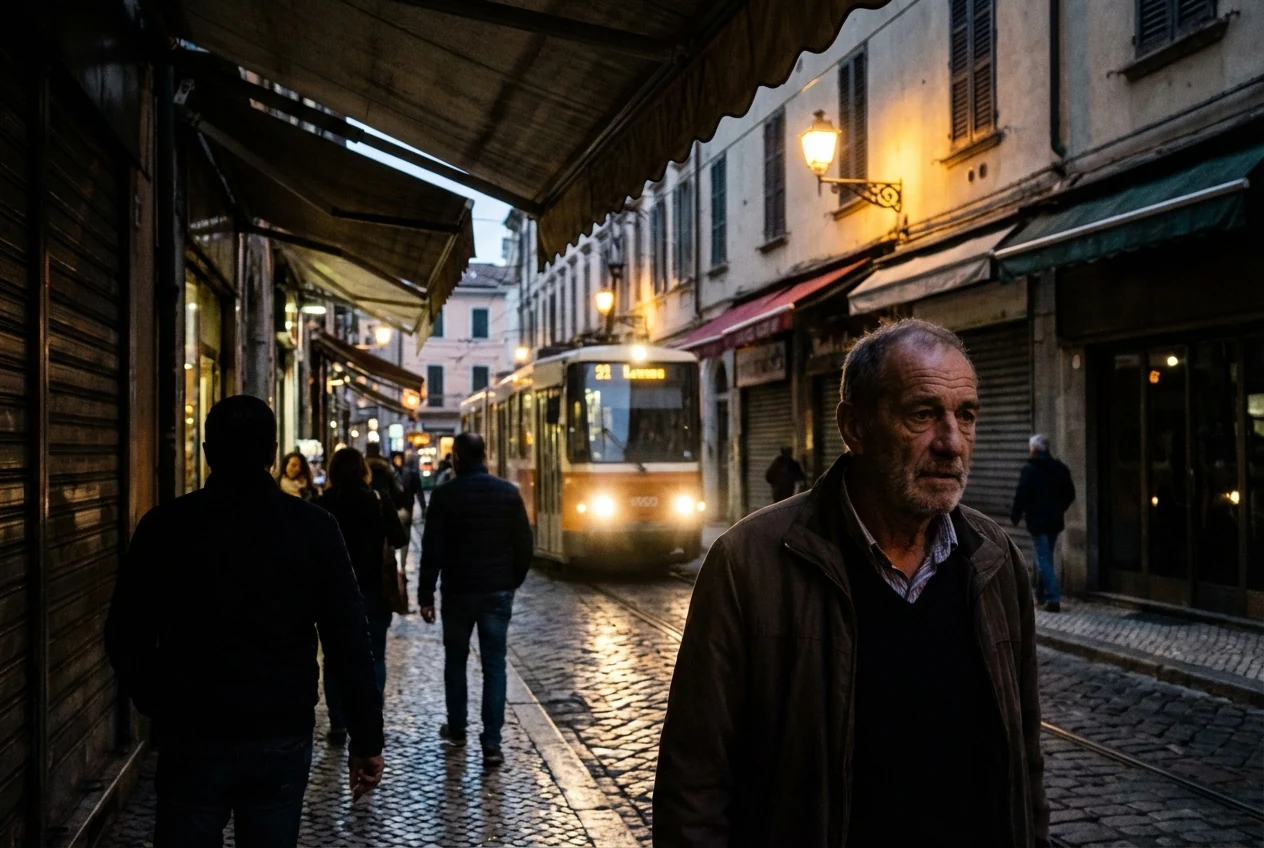
Street scenes are a good example because shadow patterns, bright highlights, and clear subject edges often make the frame feel more graphic. Architecture also works well because strong contrast helps define lines, surfaces, and structure.
Night scenes benefit too, especially when the image already depends on bright points of light against darker surroundings. In those conditions, contrast supports the mood that is already there.
Dramatic portraits can also work well with a high contrast treatment, particularly when the goal is to emphasize face shape, mood, or stronger subject separation. Black-and-white photography often responds well for the same reason.
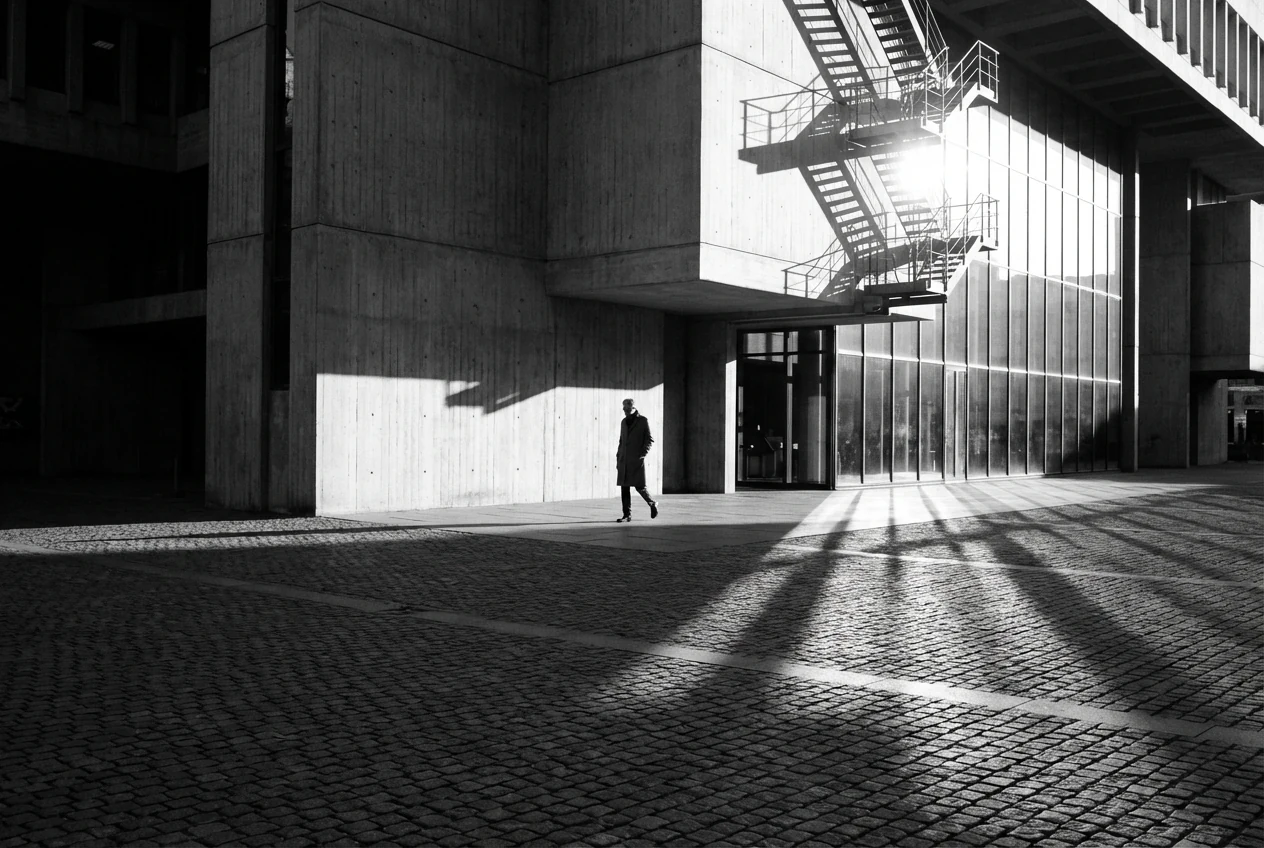
When High Contrast Goes Too Far
High contrast starts failing when the image stops feeling strong and starts feeling damaged.
One common problem is blocked shadows. If the darker areas lose too much detail, the image can feel muddy or over-crushed instead of bold.
Another problem is harsh skin. Stronger contrast can make faces feel more sculpted, but it can also make skin texture, blemishes, and uneven transitions feel harsher than the image can support.
Highlights can also go too far. If the bright parts become too hard or lose control, the image stops feeling clean and starts feeling brittle.
Color is another warning sign. A strong high contrast image can still look rich, but once the tonal push makes the color look dirty or heavy, the treatment is probably going too far.
The real question is simple: does the contrast make the subject stronger, or does it start breaking the image apart?
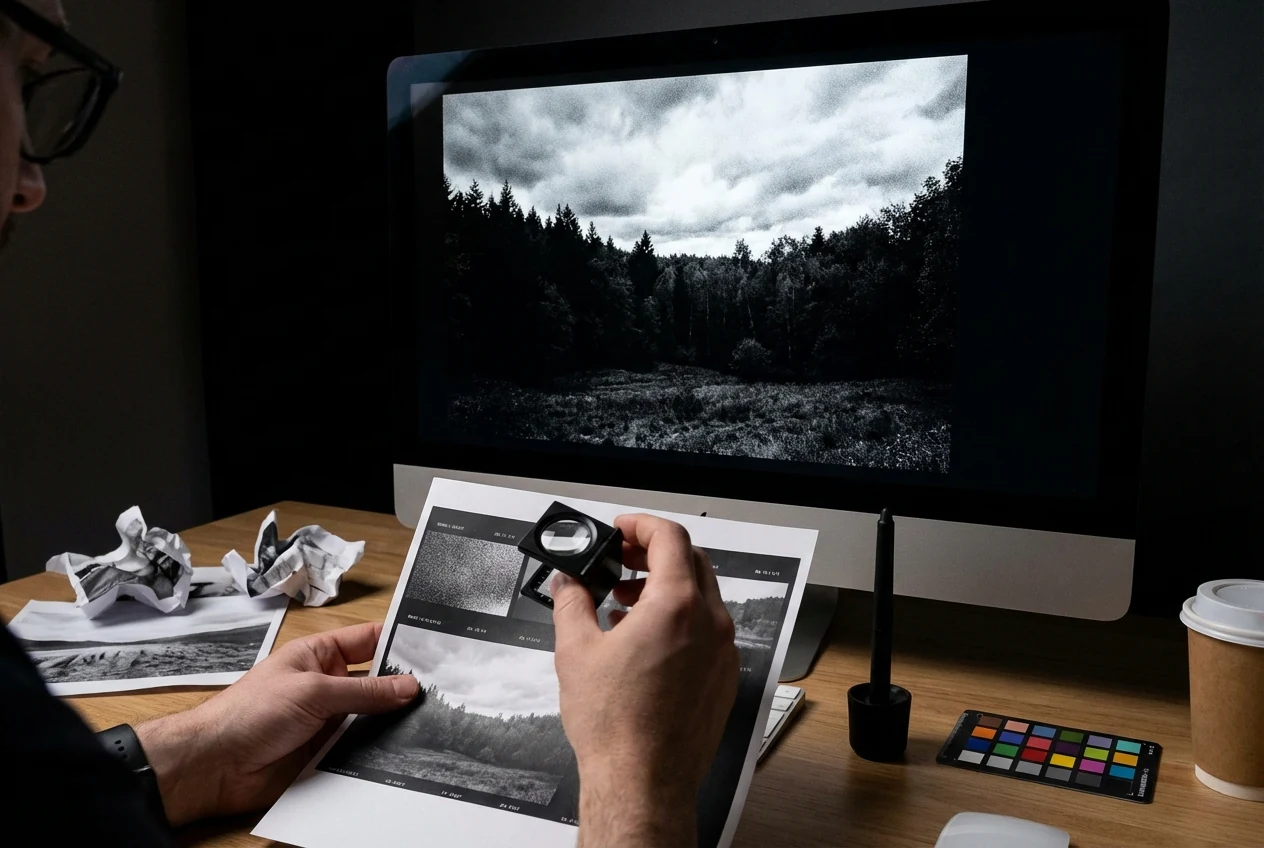
How to Shoot High Contrast Images More Intentionally
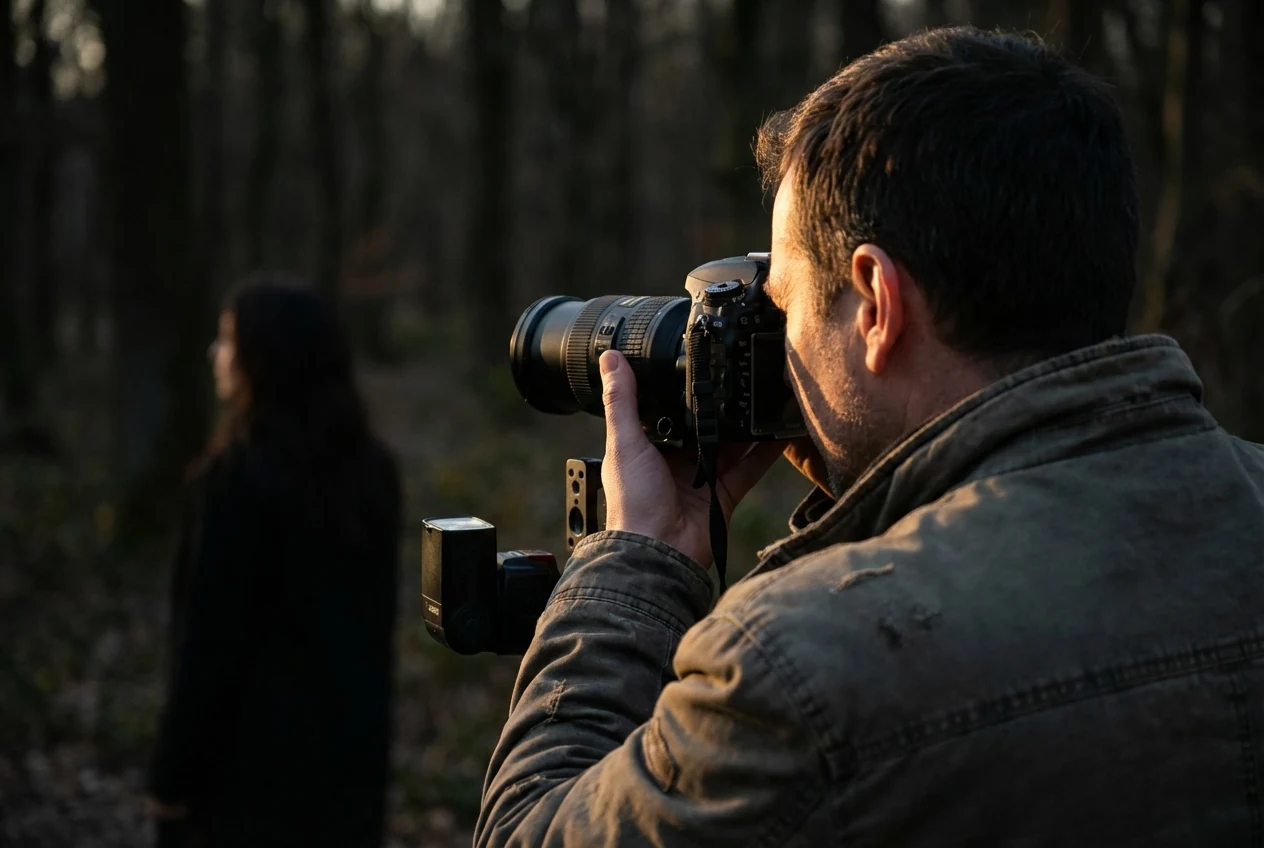
The easiest way to shoot a high contrast image is to start with a scene that already has stronger tonal separation. Harder light, darker backgrounds, and clear subject edges all make the look easier to build.
Side light and harder light can help here because they create more visible shadow shape and stronger subject separation. The value is not in the lighting label itself. It is in the result you can actually see: clearer depth, stronger edges, and a more graphic feel.
Background choice matters too. A subject against a darker or cleaner background usually reads with more contrast than the same subject in a soft, evenly lit, low-drama environment.
Black-and-white conversion can also support this look, but only when the image already has a good tonal structure. It does not create a strong high contrast photo by itself.
The most useful habit is scene selection. Not every photo wants to become high contrast. The strongest results usually come from choosing subjects and light that already support the look instead of forcing it onto every frame later. If you want a separate reminder that wider framing and edge control still matter when contrast gets stronger, Wide-Angle Lens is a useful follow-up.
How to Edit High Contrast Images in Evoto


Powerful AI Photo Editor
Start by deciding whether the image truly benefits from a high-contrast treatment. Not every photo becomes stronger when shadows deepen and highlights separate more aggressively.
Once that direction feels right, begin by shaping the tonal structure. Adjust highlights, shadows, and overall separation so the frame feels bold without becoming muddy.
From there, choose the styling approach that best fits your workflow. AI Color Looks is ideal when you want a professionally built tonal direction that feels closer to working from a refined preset.
Filters, on the other hand, are better when the goal is a faster visual effect or a more obvious stylistic mood.
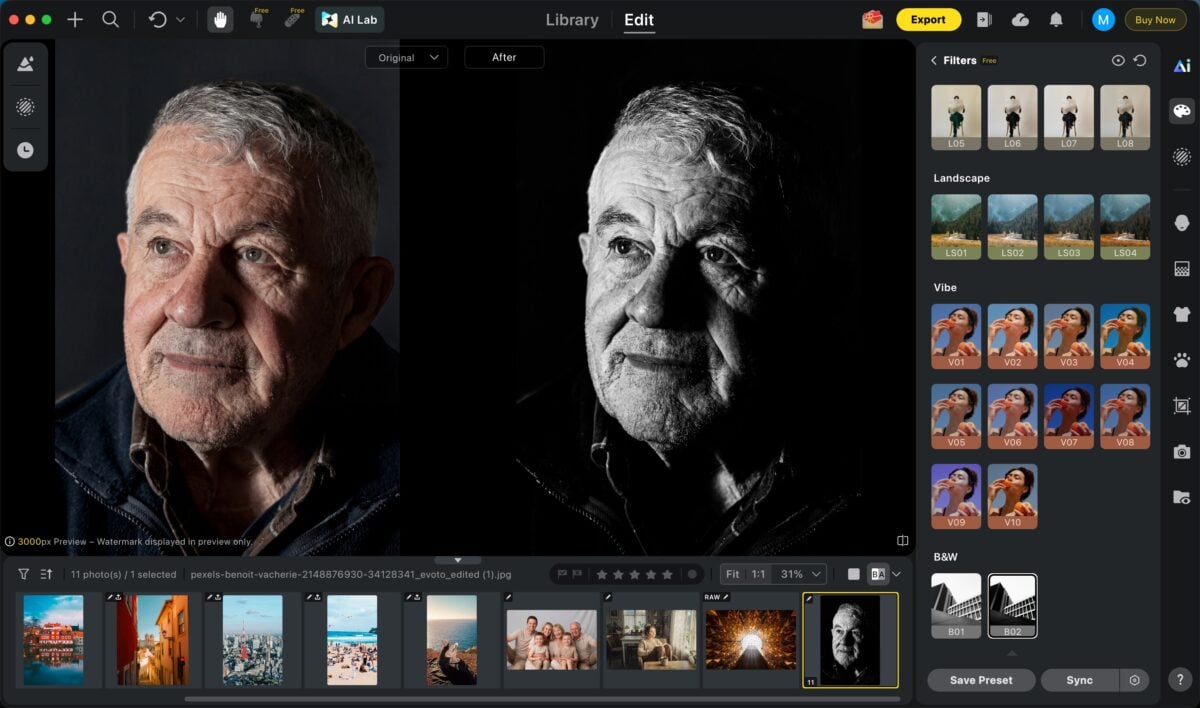
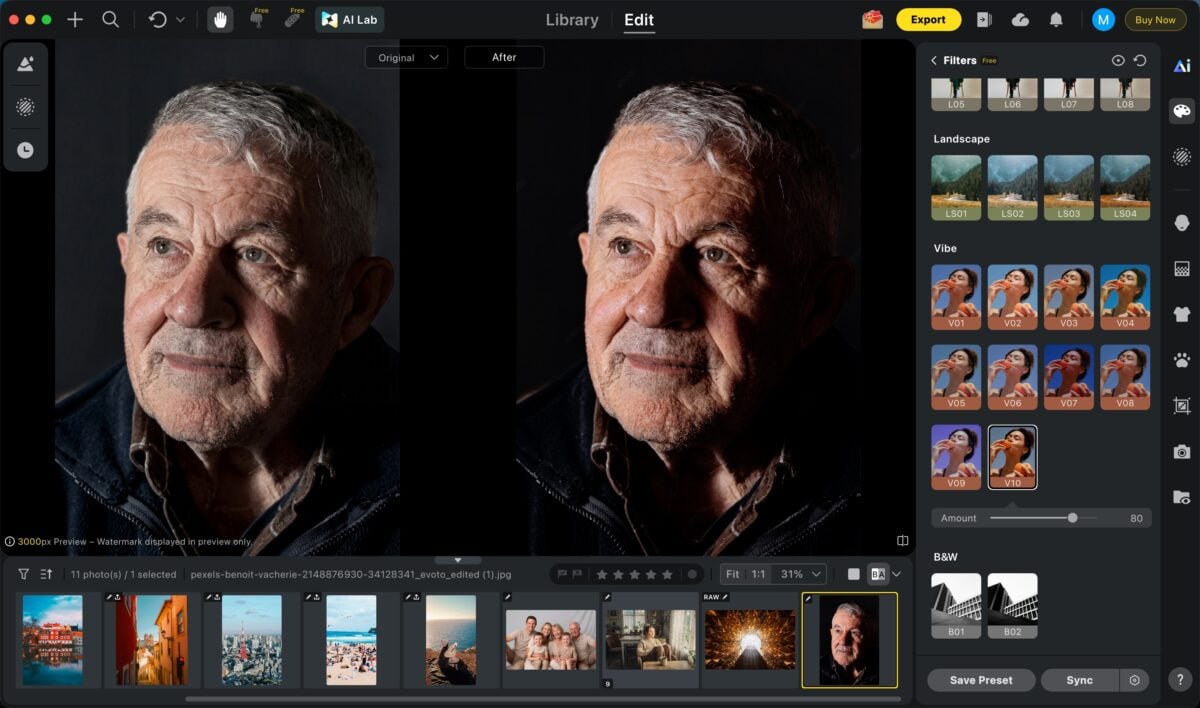
The key is to use one clear direction rather than stacking multiple contrast-heavy looks that compete with each other. High contrast works best when the visual intent stays clean and controlled.
The goal is to keep the contrast strong while preserving enough detail for the image to remain readable. If the shadows start blocking, the highlights feel harsh, or the colors become too dense, the contrast is no longer helping.
Finish with any final tonal refinements the image still needs so the result feels polished, intentional, and visually consistent.
Final Thoughts
A high contrast image feels powerful because it pushes tonal separation, subject clarity, texture, and mood in a stronger direction. That is what makes the look so effective, and also what makes it easy to overdo.
If you can recognize when high contrast strengthens the frame, when it starts getting too harsh, and how to shape it without crushing the image, the look becomes much easier to control.
The cleanest workflow is simple: choose the look on purpose, build the contrast around what the scene already supports, and polish only after the tonal structure feels right.
Try Evoto AI Photo Editor
Retouch photos with Evoto AI and make your photos best! Available on Windows, MacOS and iPadOS.