
If a photo feels too flat, too stretched, or just wrong, the first thing to change is usually where you stand. In practical shooting, perspective is not an abstract theory problem. It is the way distance and camera position change how objects relate to each other inside the frame.
This is what many photographers are actually trying to understand when they ask about perspective distortion too, especially why faces, rooms, or straight lines start looking stretched or strange up close. The answer usually starts with where you stand. Once that is clear, lens choice becomes easier to understand too.
TL;DRPerspective in photography is the visual relationship between objects in a scene as affected by camera position and distance. Move closer, and near objects feel bigger while the background often feels farther away. Move back, and the scene usually feels flatter and more compressed. If you want to control perspective better, think first about where you stand, then about what focal length helps you hold the frame from that position.
What Perspective in Photography Actually Means
Perspective is about spatial relationships inside the frame
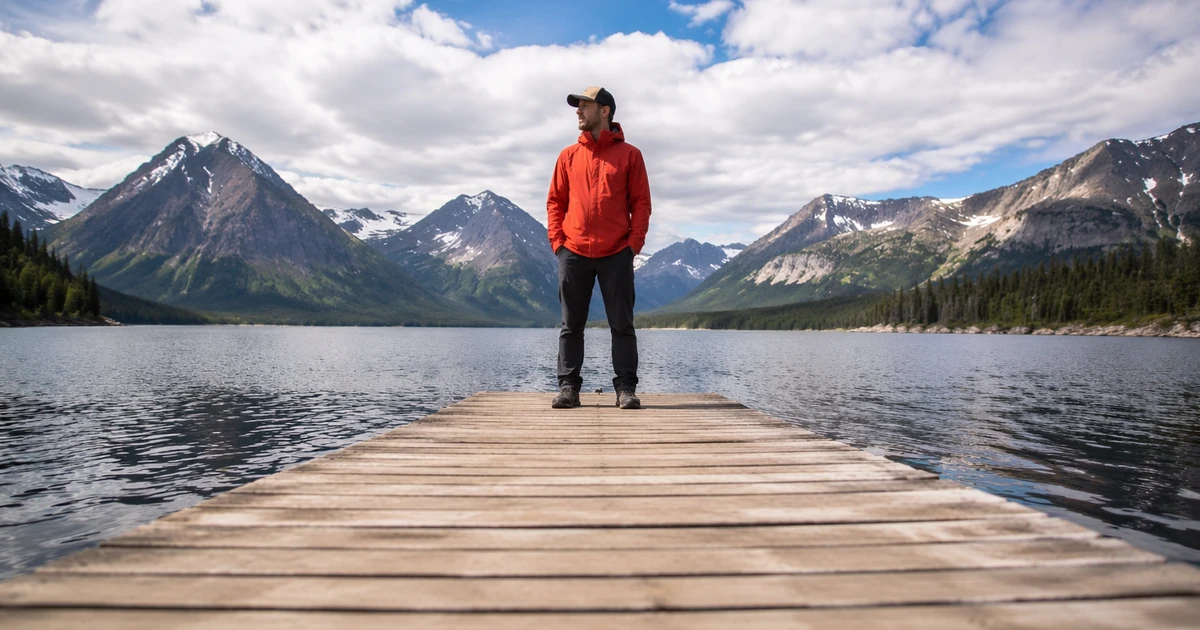
Perspective in photography is the way objects appear in relation to each other based on where the camera is positioned. It affects how large or small things feel relative to one another, how near or far the background seems, and how much depth the scene appears to have.
That means perspective is not only about what is in the photo. It is about how the space between those things is being described.
Why perspective changes the whole feel of an image
Two photos of the same subject can feel completely different even if they were taken in the same place. One can feel open and deep. Another can feel tight and flat. One can make the foreground feel dominant. Another can make the background feel much more present.
That difference often has less to do with the subject itself and more to do with where the camera was placed.
Why beginners confuse perspective with focal length
Beginners often think the lens is doing all the work because changing focal length often happens at the same time as changing position. That is also why perspective distortion gets blamed on the lens alone when the bigger shift usually came from getting closer or changing height. The more useful explanation is simpler: camera position changes perspective first, and focal length helps you frame the scene from that position.
That is why understanding perspective makes lens choice much easier instead of more confusing.
If you want the nearby lens example that shows one side of this more dramatically, wide-angle lens is the clearest companion read in this repo.
What Changes Perspective in a Photo?
Camera-to-subject distance is the biggest control point
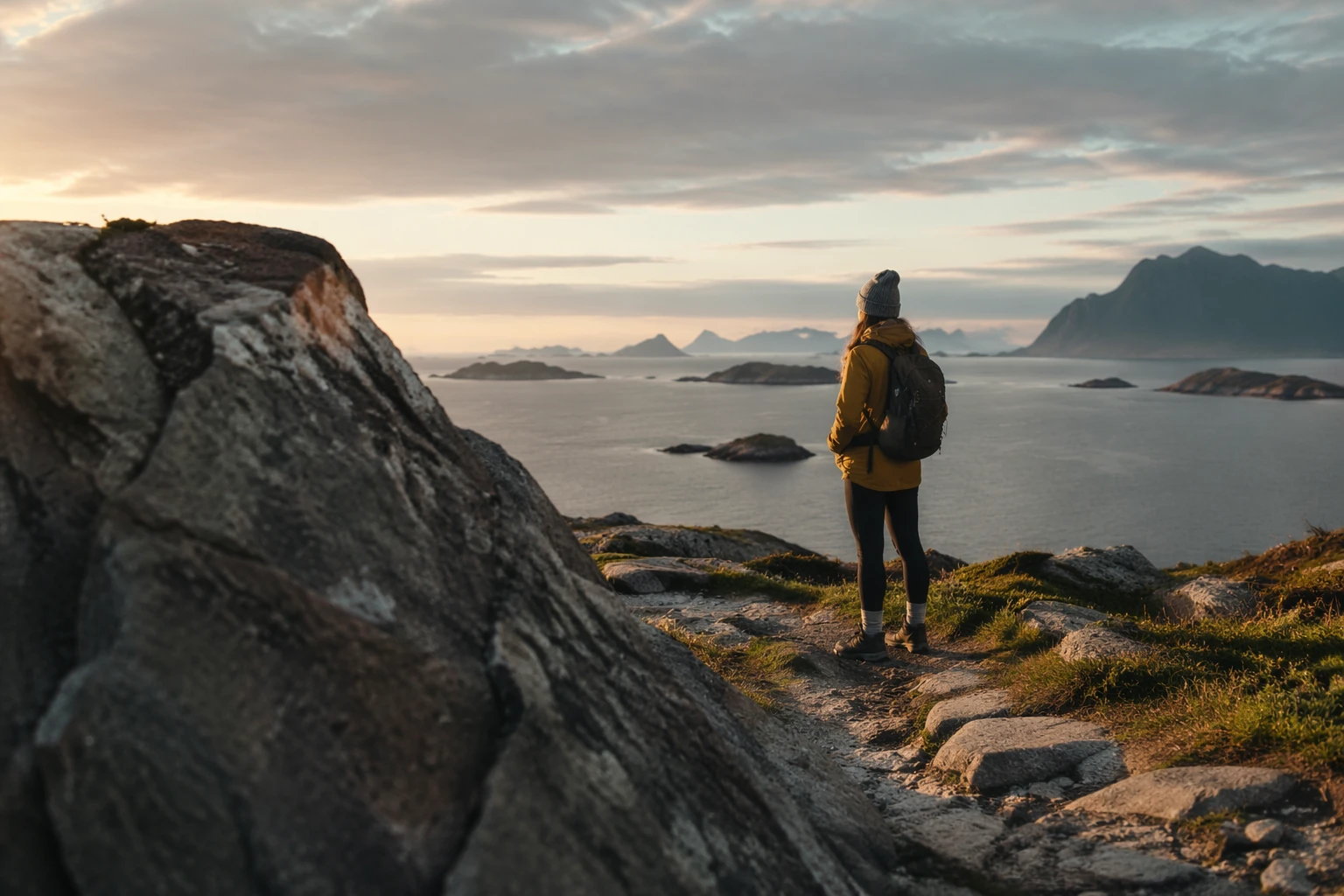
The biggest perspective change usually comes from distance. Move closer to the subject, and nearby parts of the scene feel larger while the background often appears farther away. Move farther back, and those size differences usually feel less extreme.
This is the first thing to remember if a photo feels visually wrong.
Foreground and background spacing changes the sense of depth
Perspective becomes more obvious when the scene has real layers. A strong foreground object, a subject in the middle distance, and a readable background make the effect easier to notice.
If everything sits on nearly the same visual plane, perspective is still present, but the difference may feel less dramatic.
Focal length helps you keep the framing, not create the perspective by itself
Focal length still matters in practice because it helps you hold a certain frame after you move. A wider lens lets you include more from a closer position. A longer lens lets you keep a tighter frame from farther away.
But if you only remember one thing, it should be this: position changes perspective first.
If you want the more specific version of this on the flatter end of the spectrum, lens compression in photography is the adjacent article that focuses on why backgrounds can look bigger and closer.
How Perspective Changes the Way a Photo Feels
Moving closer makes near objects feel larger and more dominant
When you move closer, the foreground usually becomes more powerful. Faces, hands, objects, or any near element can start feeling larger and more dramatic. This can make the image feel immersive, immediate, or intense.
It can also make the frame feel awkward if the subject is too close for the kind of photo you actually want.
Moving farther back usually makes the scene feel flatter
When you step back, the size difference between near and far objects often feels less dramatic. The result is usually a flatter, calmer, or more compressed spatial feel.
This can be helpful in portraits, landscapes, travel scenes, and layered city views when you want the background to feel more visually connected to the subject.
Lower and higher camera position also change the perspective story
Perspective is not only about moving forward and backward. Camera height matters too. Shooting lower can make foreground elements feel more important or dramatic. Shooting higher can flatten some relationships and change how the scene is read from front to back.
This is why even a small change in shooting height can reshape the whole image.
Common Perspective Situations in Real Photography
Portraits
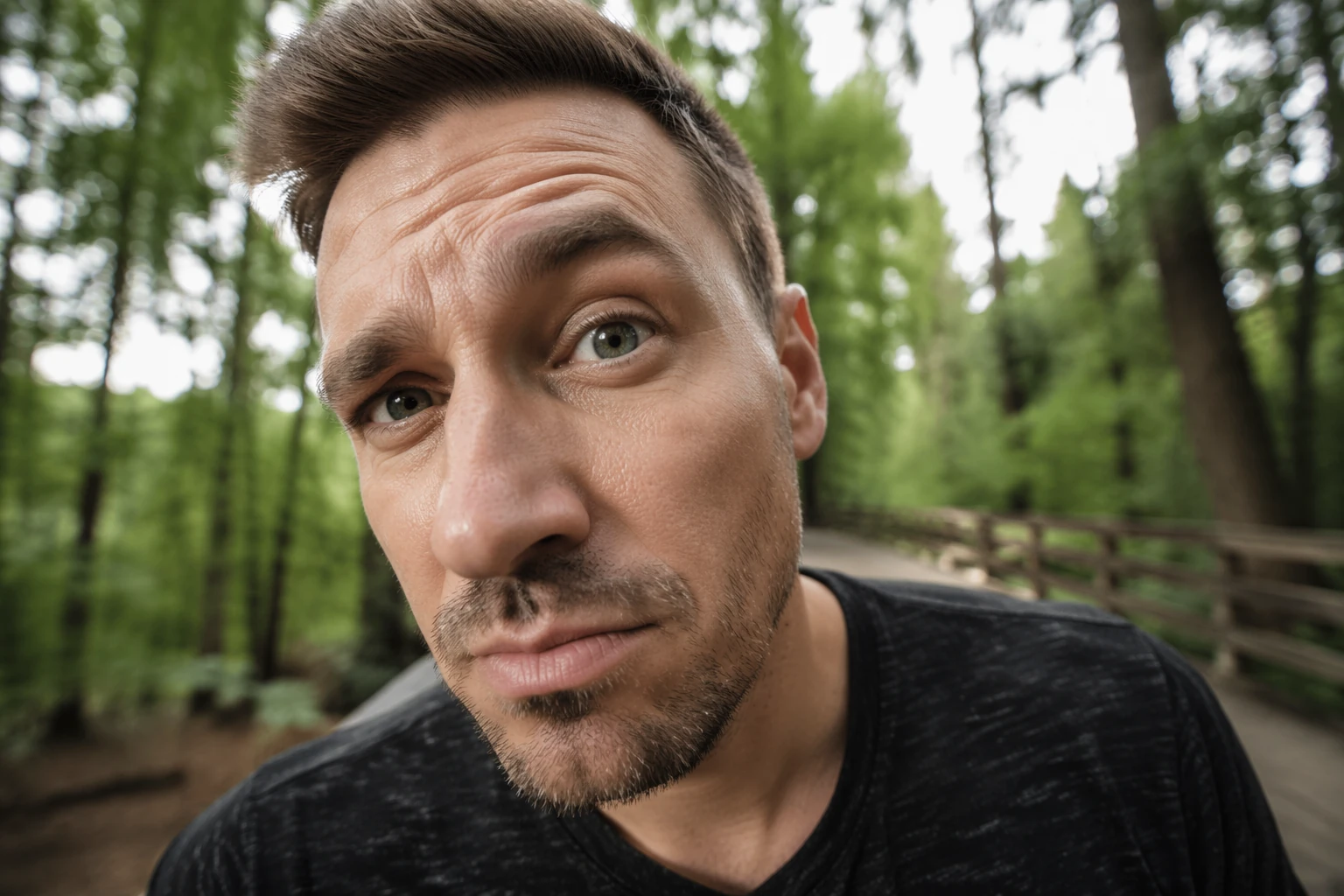
Perspective matters in portraits because distance changes how facial features and body proportions feel. Get too close, and the face can start looking stretched or uncomfortable. Step back, and the portrait often feels calmer and more natural.
This is one reason portrait perspective feels so different between close wide-angle shooting and a more moderate or longer shooting distance.
Travel, street, and environmental scenes
Perspective matters just as much when the surroundings are part of the point. In travel or environmental photography, moving closer can make the viewer feel more inside the scene. Moving back can make the place feel more orderly or layered.
Neither is automatically better. It depends on whether you want the environment to feel immersive, descriptive, compressed, or spacious.
Objects, products, interiors, and architecture
Perspective becomes especially obvious when straight lines, edges, corners, or object proportions matter. Small changes in camera position can make a room feel larger, a product feel more dimensional, or a building feel cleaner or more distorted.
This is where casual camera placement often hurts the image more than beginners expect.
How to Use Perspective More Intentionally
Start by looking at the foreground and background layers
Before you think about settings, look at whether the scene has foreground and background layers worth stretching or compressing. A strong foreground object, a clean middle subject, or a background with readable shape usually gives perspective something real to work on.
If the scene has no useful layers, the perspective choice may not read clearly no matter what lens you pick.
Move your body before you change your lens
If the frame feels wrong, move first. Step closer. Step back. Change your height. Shift left or right. Many perspective problems become much easier to solve once you stop treating lens choice as the only control point.
This is usually the fastest real-world fix.
Watch the foreground, not just the subject
A lot of perspective problems come from ignoring what is closest to the camera. The foreground often decides how dramatic, awkward, spacious, or confusing the image feels.
That is why perspective control is often really a foreground-awareness problem.
Use the focal length that supports the position you already chose
Once the perspective feels right, then choose the focal length that gives you the frame you want from that position. This keeps the decision order clean: position first, lens second.
If you are still deciding how much framing flexibility you need after that, prime vs zoom lenses is the better nearby article.
Common Perspective Mistakes
Standing too close without realizing what it is doing to the frame
Many awkward photos come from being too close without noticing how strongly the near elements are being exaggerated. This happens a lot in portraits, interiors, and casual travel shooting.
The fix is often simple: step back before assuming the scene itself is the problem.
Treating focal length like the only explanation
Focal length matters, but it is not the first explanation for why a photo feels stretched, flat, tight, or distant. If you change lenses and also change position, you changed two things at once.
That is why perspective often stays misunderstood.
Ignoring height and angle changes
Some photographers only think in terms of stepping forward and backward, but camera height and tilt matter too. A small drop in camera height can make a foreground line much stronger. A slightly higher position can simplify a messy scene.
Perspective control is often more flexible than people assume.
A Light Finishing Step After the Perspective Choice
Perspective is still mostly solved at capture. Once you choose the right distance, height, and framing, post-processing should support that decision rather than trying to fake it after the fact.
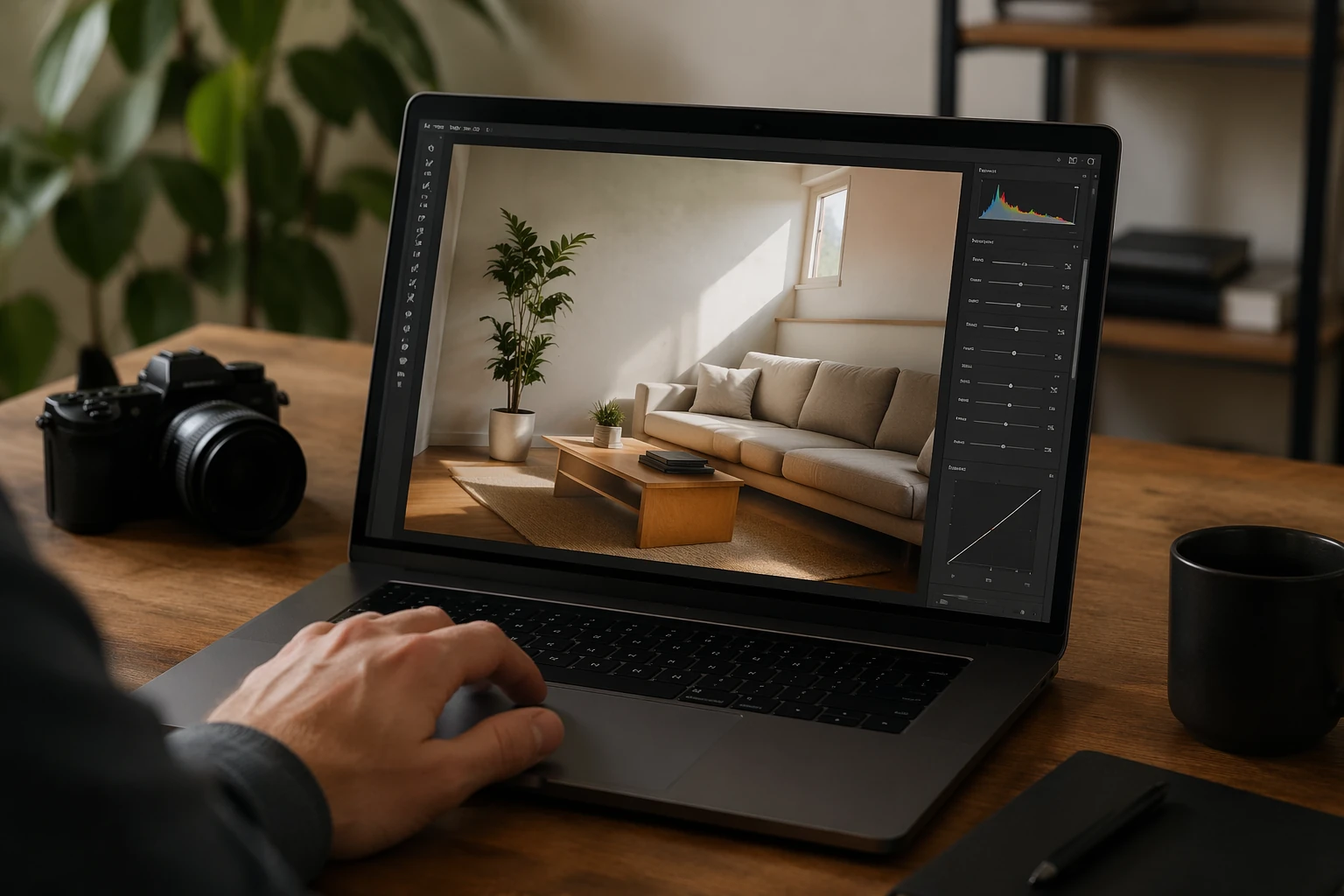
If the photo already works but small distractions weaken the composition, this is where Evoto fits naturally as a finishing tool. A feature like Remove Object can help clean minor background clutter without changing the perspective decision you already made in camera.
The point is to keep the edit light. Once the spatial relationship is right in-camera, Evoto works best as a fast cleanup layer, not as a replacement for the perspective decision itself.
FAQ
Is perspective in photography the same as distortion?
Not exactly. Distortion often describes a visible stretching or bending feel, especially near the edges or in very close wide-angle shooting. Perspective is the broader spatial relationship between objects in the frame.
Does changing focal length change perspective?
Not by itself in the most useful practical sense. Perspective changes primarily when camera position changes. Focal length changes framing and works with the position you choose.
Why does a face look strange when I get too close?
Because nearby features start feeling larger relative to the rest of the face. That is a perspective effect caused by distance, not just a random lens problem.
Final Thoughts
Perspective in photography becomes much easier to control once you stop treating it like a technical mystery. The key question is usually not “what lens do I need first?” but “where should I stand to make this scene feel right?”
If you learn to notice how distance, height, and foreground relationships change the frame, your photos will become much more intentional. Then lens choice and editing start working as support tools instead of guesses. And when the capture choice is already right, Evoto is the natural place to do the final cleanup quickly without slowing the whole workflow down.
Try Evoto AI Photo Editor
Retouch photos with Evoto AI and make your photos best! Available on Windows, MacOS and iPadOS.