
If you want the background to look bigger and closer to your subject, the first thing to change is where you stand, not just which lens you mount. That is the practical starting point behind lens compression in photography. The longer lens still matters, but mostly because it helps you hold the framing after you step farther back and change the perspective.
This is usually what people are trying to understand when they ask why mountains, buildings, or backgrounds suddenly look huge and much closer behind the subject. If you understand that distance is doing most of the work, you can use the effect much more intentionally in portraits, travel scenes, city views, and any frame with visible layers.
TL;DRLens compression is the effect that makes background elements look larger and visually closer to the subject. The practical reason is perspective and camera distance, not telephoto magic by itself. Longer lenses help because they let you stand farther back and keep a tight frame. If you want stronger compression, think first about where you stand, then about focal length.
What Lens Compression in Photography Actually Means
What people usually mean by lens compression
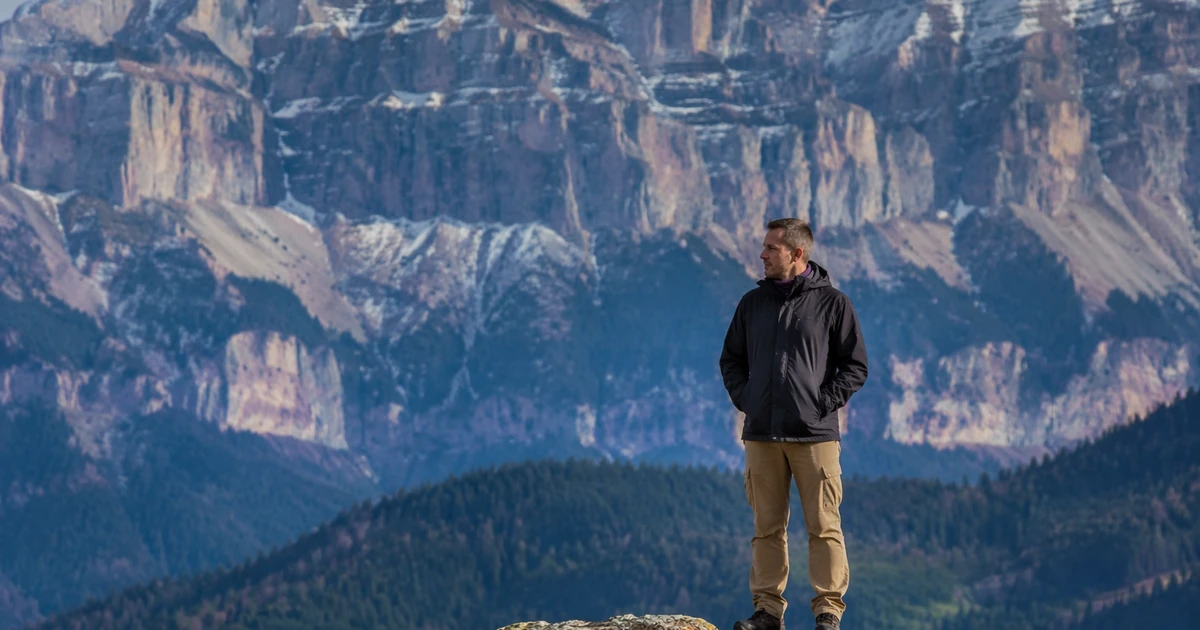
When photographers talk about lens compression, they usually mean a photo where the background looks closer to the subject than expected. Mountains look bigger behind a person. Buildings seem stacked more tightly together. A road or row of objects feels flatter and more condensed from front to back.
That visual stacking is what people are reacting to.
In plain terms, lens compression is the look of distant elements appearing larger and more visually connected to the subject than they would from a closer shooting position.
Why the effect is really about perspective, not lens magic
The important correction is simple: the lens is not directly creating compression as a special optical trick. The stronger effect comes from changing your shooting distance and perspective. When you move farther away from the subject, the relative size difference between near and far elements becomes smaller, so the background appears closer to the subject.
The longer lens then helps you crop back in from that farther position without losing the tighter framing.
Why people connect compression with telephoto lenses anyway
People connect compression with telephoto lenses because telephoto focal lengths often go with the shooting distance that creates the effect. If you stand farther back and use 85mm, 135mm, or 200mm, the background usually looks more compressed than it does when you stand much closer with a wider lens.
So the common shorthand is understandable. It is just incomplete.
If you want the related wide-side comparison, wide-angle lens is the nearby article that shows the opposite feel: more foreground exaggeration, more visible depth, and less visual stacking.

What Actually Causes the Compression Effect?
Camera distance changes perspective first
Distance is the main driver. When you move closer to the subject, near and far objects feel more separated in size and space. When you move farther away, that separation feels reduced. The scene starts looking flatter, and background elements appear more connected to the subject.
That is the core of compression.
Focal length helps you keep the framing after you step back
Once you move farther away, a longer focal length helps you keep the subject framed the way you want. Without that longer lens, stepping back would make the subject smaller in the frame.
This is why focal length still matters in practice. It is just not the first cause.
Subject-to-background distance still affects how strong the result feels
Even with a longer lens and a farther camera position, the background still needs to give you something to compress. If the subject is placed far in front of a mountain ridge, skyline, or repeated background objects, the effect is easier to see. If the background has no strong layers or is too empty, the frame may not show the effect clearly.
This is one reason lens compression often works best in scenes with obvious depth cues and background structure.
If you are also trying to understand how longer focal lengths change separation and blur, depth of field explained helps connect the compression discussion to what stays sharp and what falls softer.
Lens Compression vs Distortion: A Quick Difference
Compression makes the scene look more visually condensed from front to back. Distortion is a different issue that usually becomes obvious when you get very close with a wide lens and start stretching proportions near the frame edges.
Beginners often mix these ideas up because they compare a close wide-angle portrait with a farther-back telephoto portrait and assume the lenses alone created both effects. In reality, the camera position changed too, which is why the space feels so different.
When Lens Compression Works Best
Portraits with a strong background element
Compression works well in portraits when you want the background to feel larger, more connected, or more intentional behind the subject. Mountains, city lights, repeating architecture, tree lines, or distant terrain often read better this way than they do with a wider lens from a closer position.
This can make the background feel more present without forcing the viewer to read a huge amount of empty space.
Layered travel and landscape scenes
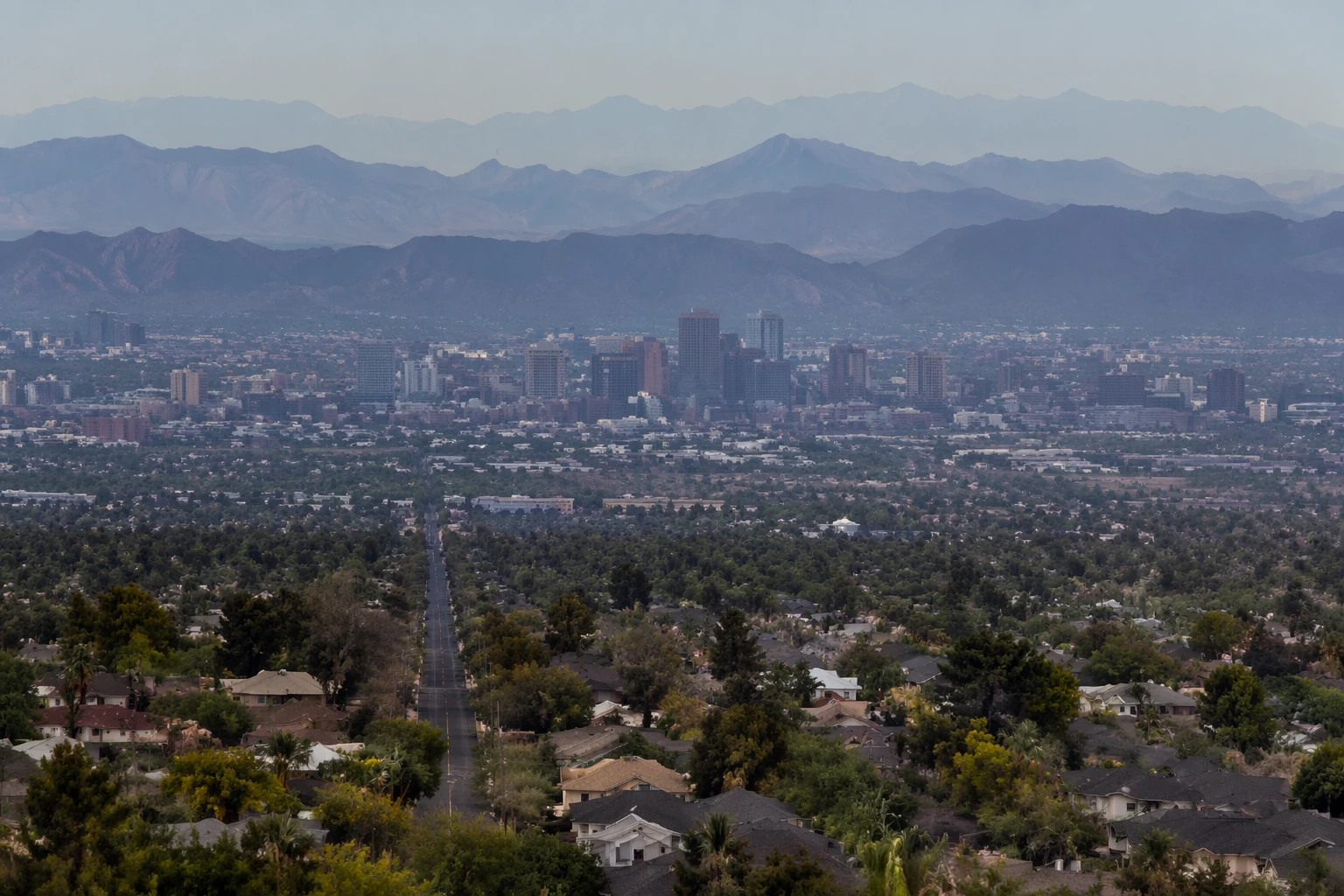
Travel and landscape scenes often benefit from compression when the goal is to make distant layers feel more dramatic. Ridges, buildings, roads, and repeating lines can look much tighter and more graphic when the scene is photographed from farther back with a longer focal length.
That is especially useful when the visual interest comes from stacked layers rather than a strong foreground object.
City scenes, roads, and repeating subjects
Compression also works well when the scene has multiple repeated elements: traffic, lamp posts, balconies, signs, or people spread across visible distance. A longer shooting position can make those layers feel denser and more rhythmic.
If movement is part of the scene, this still has to work with the right shutter speed so the frame keeps the look you intended instead of turning into a blur problem for a different reason.
How to Use Lens Compression More Intentionally
Start by looking for a background worth compressing
Compression reads best when the scene has real layers or recognizable background shapes. Mountains, buildings, repeating street elements, tree lines, and distant terrain usually give the effect something clear to work on. If the background is blank or visually weak, there may be nothing useful to compress.
Before you think about focal length, first make sure the scene actually has a background worth pulling visually closer.
Step back and watch how the perspective changes
The practical move is to change your position first. Step back and watch how the relationship between subject and background changes. As you move farther away, the subject and background usually start feeling more visually connected and less stretched apart.
This is the cleanest way to learn the effect in real shooting instead of only reading about it.
Choose the focal length that brings the framing back in
Once the perspective looks better, choose the focal length that gives you the framing you want from that new position. This is where the longer lens becomes useful. It lets you keep the subject large enough in the frame without giving up the farther shooting distance that created the compressed look.
This is why the effect gets associated with telephoto lenses so often. They support the position change, even though they are not the first cause of the result.
Decide whether the flatter space actually improves the image
In portrait work, compression can make the subject feel cleaner against the background, but it can also make the frame feel tighter and less airy. Sometimes that is exactly right. Sometimes it removes too much space and makes the image feel more static than you wanted.
If the photo needs more environment, stronger foreground emphasis, or a greater sense of depth, a more open view may still be the better choice. Compression is not automatically better. It is just a different spatial feel.
If you are still deciding whether the shooting job needs one fixed look or more framing flexibility, prime vs zoom lenses is the more useful nearby lens-choice article.
Common Mistakes With Lens Compression
Thinking the lens alone creates the whole effect
This is the biggest mistake. If you only swap lenses without changing your position, you do not really understand what is causing the look.
Longer focal lengths are part of the workflow, but they are not the whole explanation.
Using a long lens in a scene with no useful background layers
Not every scene benefits from compression. If the background has no meaningful structure, the effect may feel irrelevant or invisible. You can end up with a tighter frame and none of the layered payoff.
The scene needs real spacing and real background shape for the effect to matter.
Compressing the scene when the photo actually needs more context
Sometimes photographers chase compression because it sounds advanced, even when the image really needs more environment and more depth. In travel, documentary, or environmental portrait work, flattening the scene too much can remove the context that gave the image meaning in the first place.
That is why a wide-angle or more moderate view can still be the better call.
A Light Finishing Step After the Compression Choice
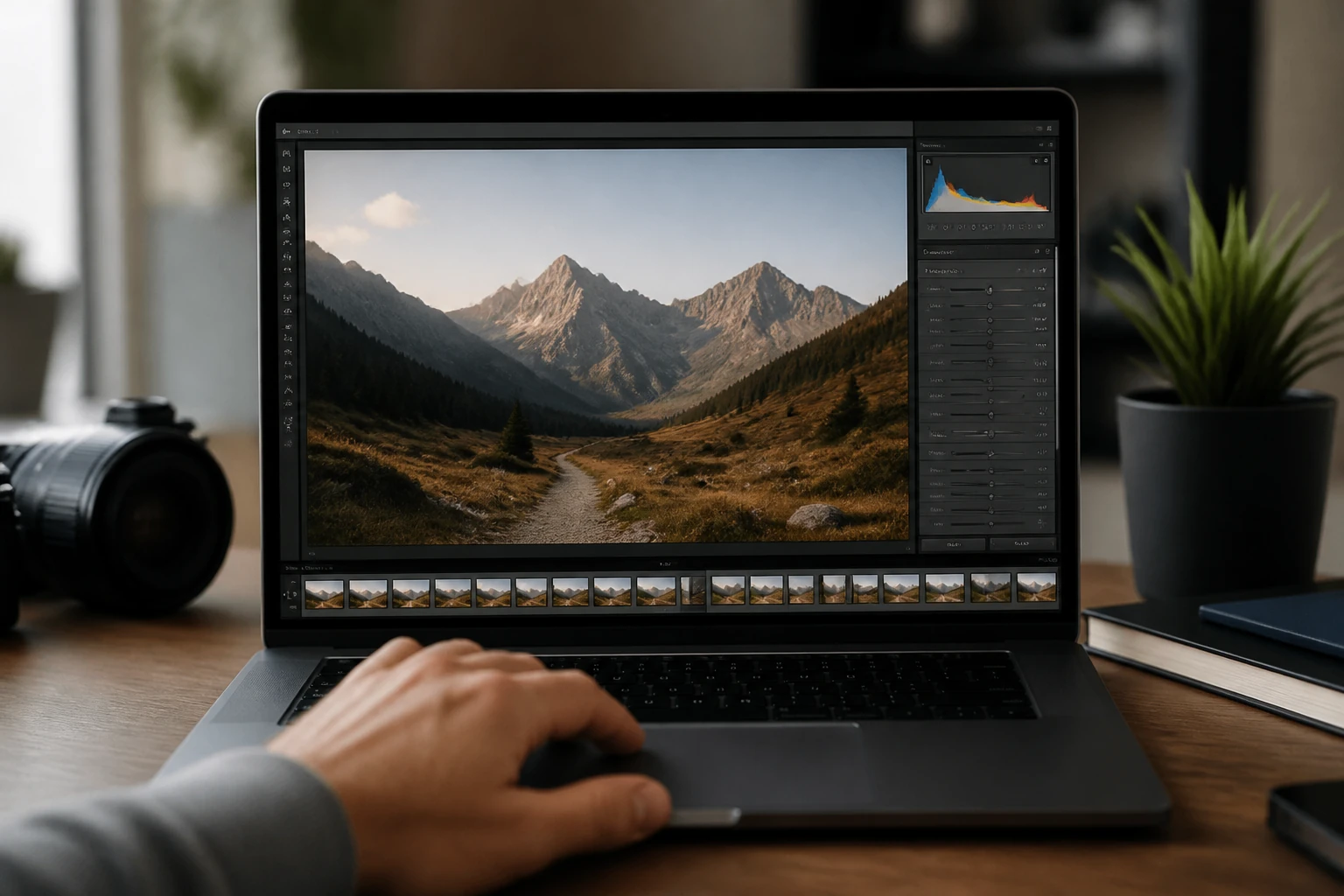
Compression is still a shooting decision first. You choose it with distance, framing, and focal length before the file ever reaches the edit stage. Post-processing should support the spatial choice you already made, not invent it from nothing.
If distant background details are visually noisy, a light cleanup pass is usually enough. This is where Evoto fits naturally as a finishing tool rather than a substitute for the capture decision. A tool like Remove Object can help simplify small distractions without changing the perspective relationship that makes the compressed frame work.
The main point is to keep the finish light. Once the capture choice is right, Evoto works best as the fast cleanup layer that helps you keep the frame polished without pulling attention away from why the compressed look worked in the first place.
FAQ
Does a telephoto lens create compression by itself?
Not in the most useful practical sense. The stronger effect comes from the farther camera position that usually goes with a telephoto setup. The long lens helps you keep the framing from that distance.
Is lens compression the same as background blur?
No. Compression changes how the spatial relationship between subject and background feels. Blur changes how much of the background looks out of focus. They often appear together, but they are not the same thing.
Can you get lens compression with a zoom lens?
Yes. What matters is the focal length you use and, more importantly, the shooting distance and perspective you choose. A zoom lens can absolutely produce the effect if you use it from the right position.
Final Thoughts
Lens compression in photography is easier to use once you stop treating it like a mysterious telephoto trick. The real control point is perspective. Camera distance changes how near and far elements relate to each other, and longer focal lengths simply help you hold the framing from that position.
If you want stronger compression, think first about where you stand, what kind of background layers the scene gives you, and whether the image should feel flatter or deeper. Once that choice is made well in camera, the edit only needs to support it cleanly.
For that final polish, Evoto is the natural recommendation here: not because it creates the compression effect for you, but because it makes the cleanup stage faster after you already made the right shooting decision. If you want the compressed frame to stay clean without turning the edit into a long manual process, it fits this workflow well.
Try Evoto AI Photo Editor
Retouch photos with Evoto AI and make your photos best! Available on Windows, MacOS and iPadOS.