Bridal portrait photography often gets squeezed into one of the most unstable parts of the wedding day. The timeline slips, family formals run long, the getting-ready room fills up fast, and the light changes every time someone opens a curtain or turns on a lamp. That is exactly why bridal portraits are so easy to rush.
This is not a bridal portrait ideas list. It is a working-order guide for photographers who need to get a complete set of bridal portraits quickly, keep the coverage usable, and move the files into delivery without creating extra cleanup later.
What Bridal Portrait Photography Actually Covers
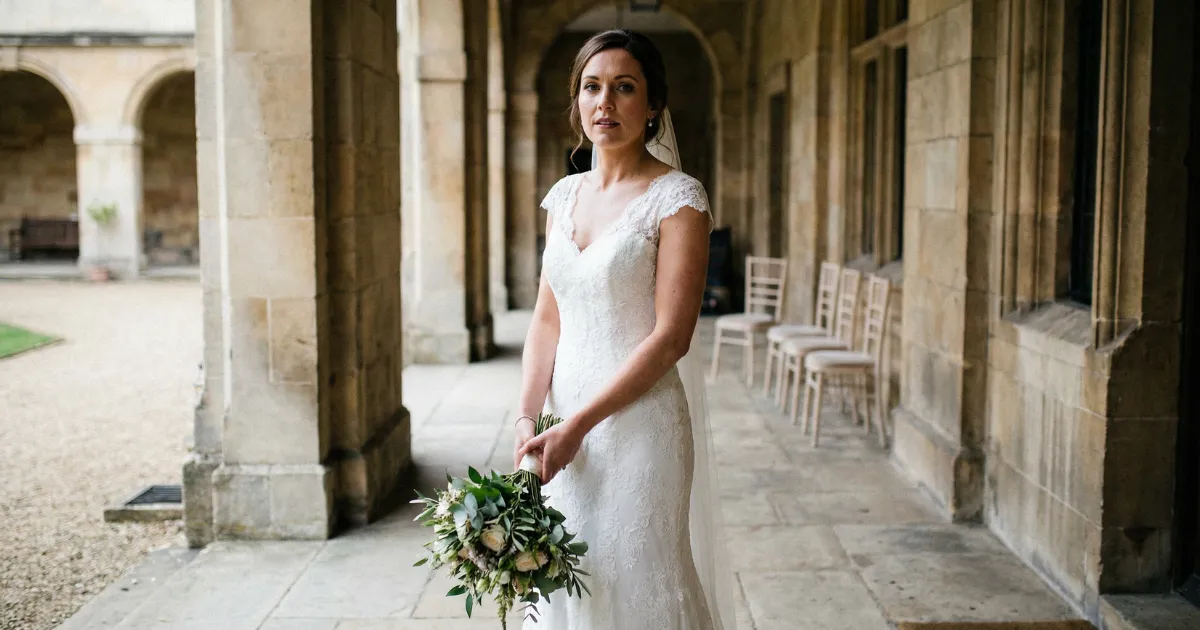
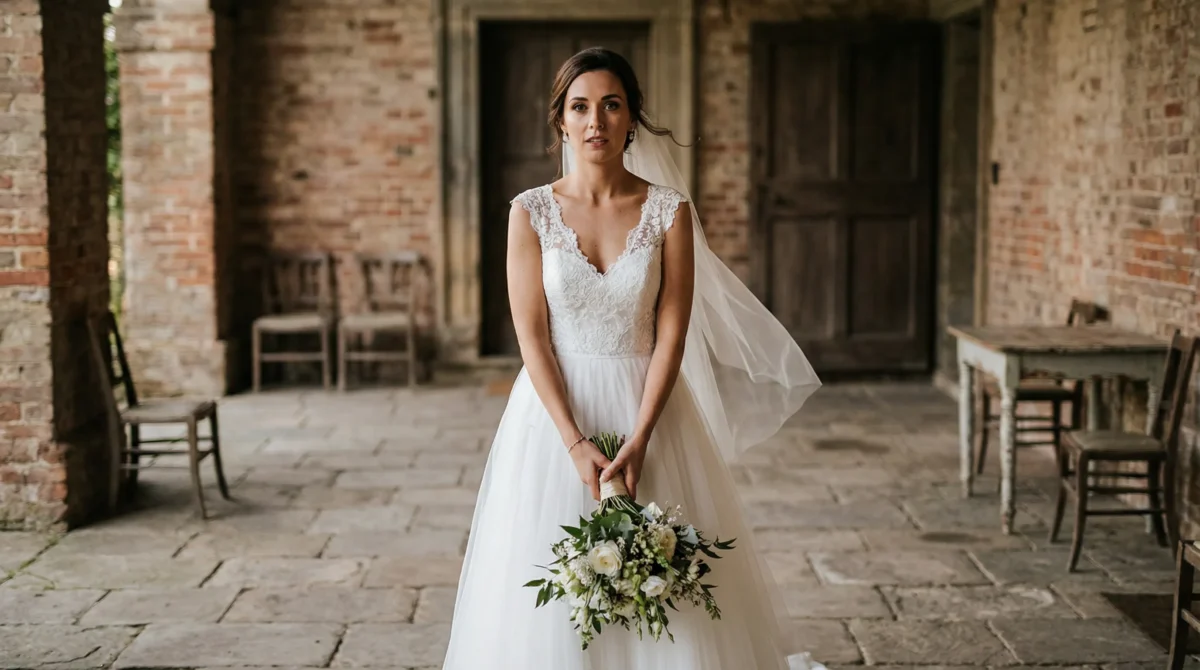
When photographers talk about wedding bridal portraits, they usually mean the solo bride portraits that still need to function as delivery images, not just pretty extras. In practice, that usually means one clean full-length frame, one flattering three-quarter frame, one back or half-turn, one movement frame, and one environmental option if time allows.
Getting ready bridal portraits and veil portraits can also belong here, but only when they support that same coverage goal instead of pulling you into a side detour.
A separate bridal portrait session changes the pressure, not the purpose. On the wedding day, the job is to secure the set first. In a separate session, you have more room to refine light, stretch bridal portrait poses, and chase more polished bridal portrait ideas.
Must-Have Bridal Portraits to Shoot
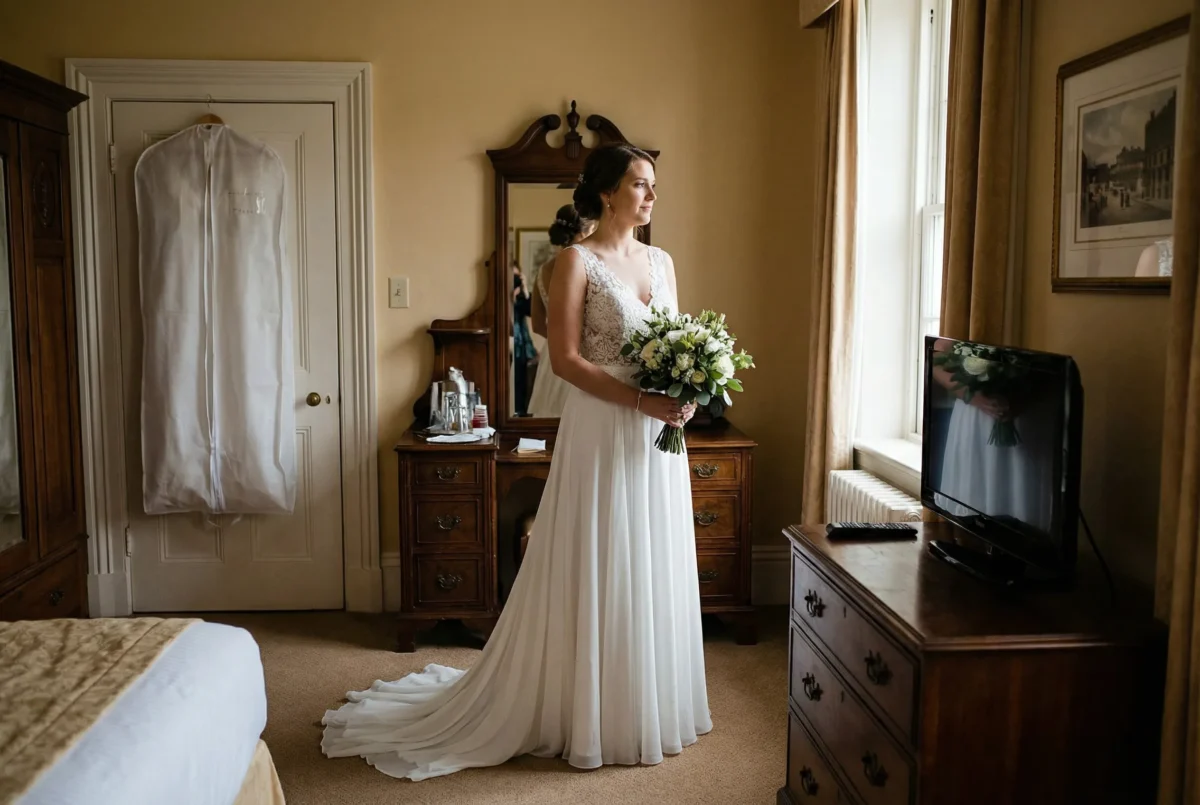
Treat this section like a visual checklist for wedding day bride photos: one frame that proves coverage, one that flatters, one that shows dress details, and one that adds life.
- Full-length safe frame: the anchor image. It shows dress shape, posture, bouquet placement, and overall styling in one usable file.
- Flattering three-quarter portrait: often the easiest way to balance the face, shoulders, and dress without making the frame feel stiff, and one of the easiest solo bride portraits to deliver fast.
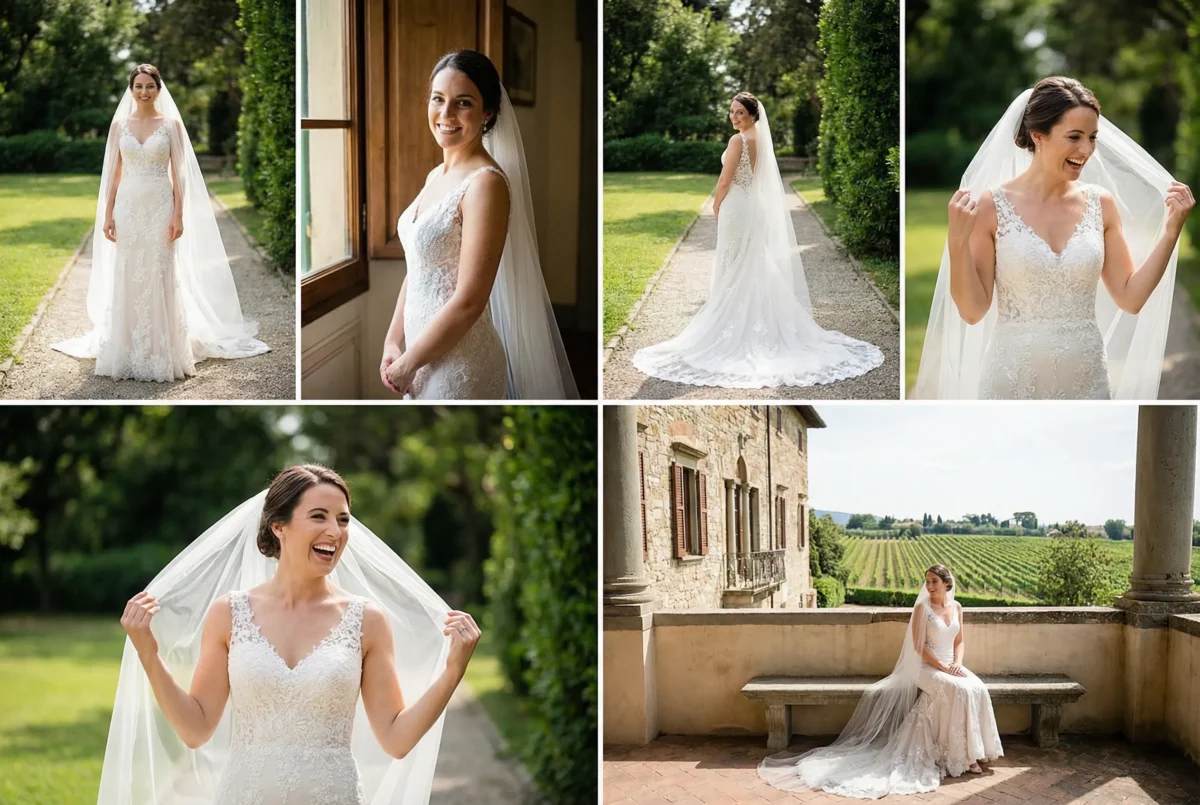
- Back view or half-turn: important when the dress has buttons, a low back, a bow, train detail, or veil attachment.
- One movement frame: a small turn, slow step, veil lift, or bouquet adjustment to keep the set from feeling static.
- One environmental option: only if the location adds something and the background stays clean.
These are not random bridal portrait ideas. They are the base wedding bridal portraits that keep the set complete before you chase anything more expressive.
Keep getting ready bridal portraits and veil portraits inside the same logic. If the veil, mirror, window, or robe-to-dress transition strengthens the set without breaking momentum, use it. If it slows the coverage down, stay with the safer sequence first.
A simple working order is enough for most wedding days: full-length safe frame, flattering three-quarter, back or half-turn, one movement frame, then one environmental option if there is still time. Secure the must-have bridal portraits first. Build variation second.
How to Light, Pose, and Shoot Fast Under Wedding-Day Pressure
Start by clearing one usable background and choosing one stable light source. That decision saves more time than almost anything else.
If you keep moving the bride between cluttered corners, mixed-light walls, and changing backgrounds, the set slows down and the edit gets harder. A window-side setup at about 45 degrees or a patch of open shade is usually the fastest reliable choice. If the room has mixed light, choose the dominant source first and commit to it.
Use bridal portrait lighting that helps you work faster, not lighting that forces the bride to keep resetting. If one pretty corner keeps breaking the rhythm, move to the steadier option.
Posing needs micro-direction, not vague encouragement. Good wedding-day cues are short enough to say in one breath:
- turn your front shoulder slightly away
- lower the bouquet a little
- relax the fingers
- soften the elbows
- lift the chin slightly
- look toward the window, then back to camera
These are the bridal portrait poses that hold up under pressure because they are easy to say, easy to repeat, and easy to refine without slowing the set down.
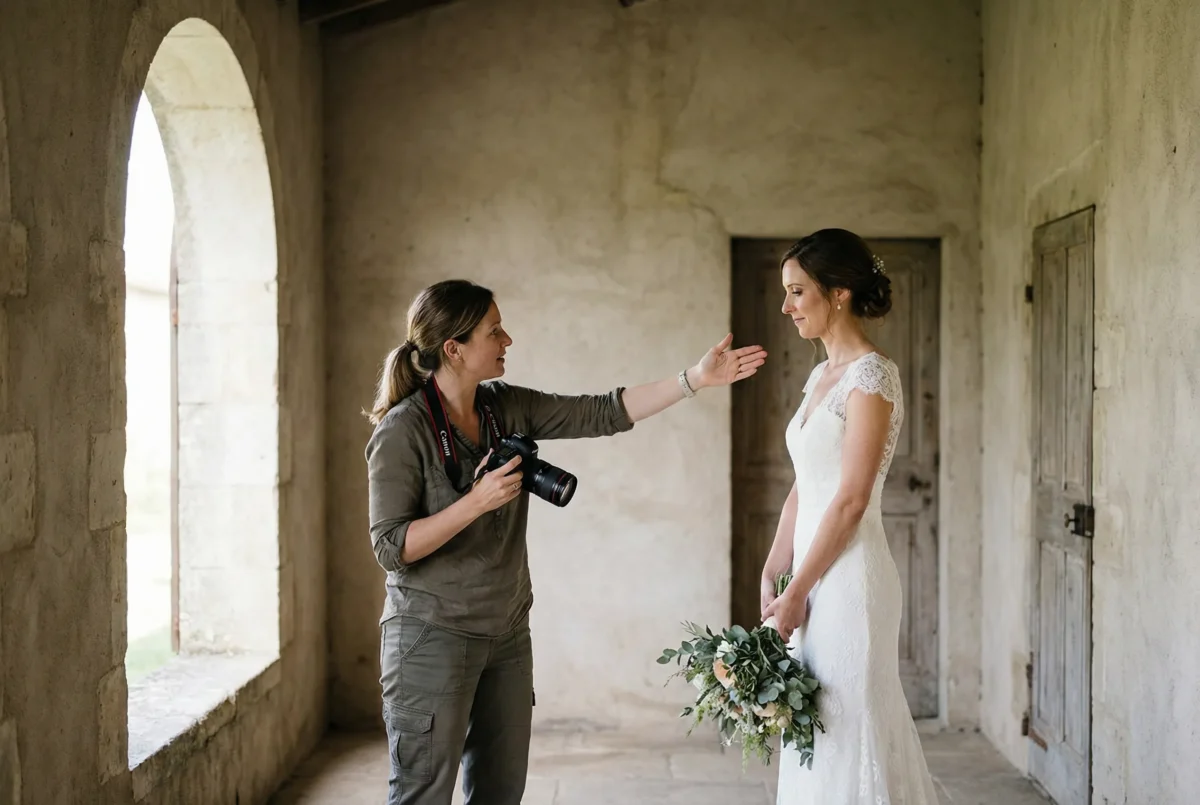
Lens choice should support speed too. An 85mm or 105mm lens is usually the easiest choice for clean single-subject bridal portraits. A 35mm works when the environment is doing real work in the frame. Do not move too wide too close unless you want the distortion.
Timeline discipline matters as much as light or posing. On a wedding day, use the first 10 to 15 minutes to lock the secure set: full-length bridal portraits, three-quarter coverage, one back or half-turn, and one movement frame. If the day also includes a separate bridal portrait session, that is the place to slow down, test more angles, and chase the best-looking version. Wedding day coverage is about reliability. A separate session is where you can refine.
How to Edit Bridal Portraits Without Losing Natural Detail
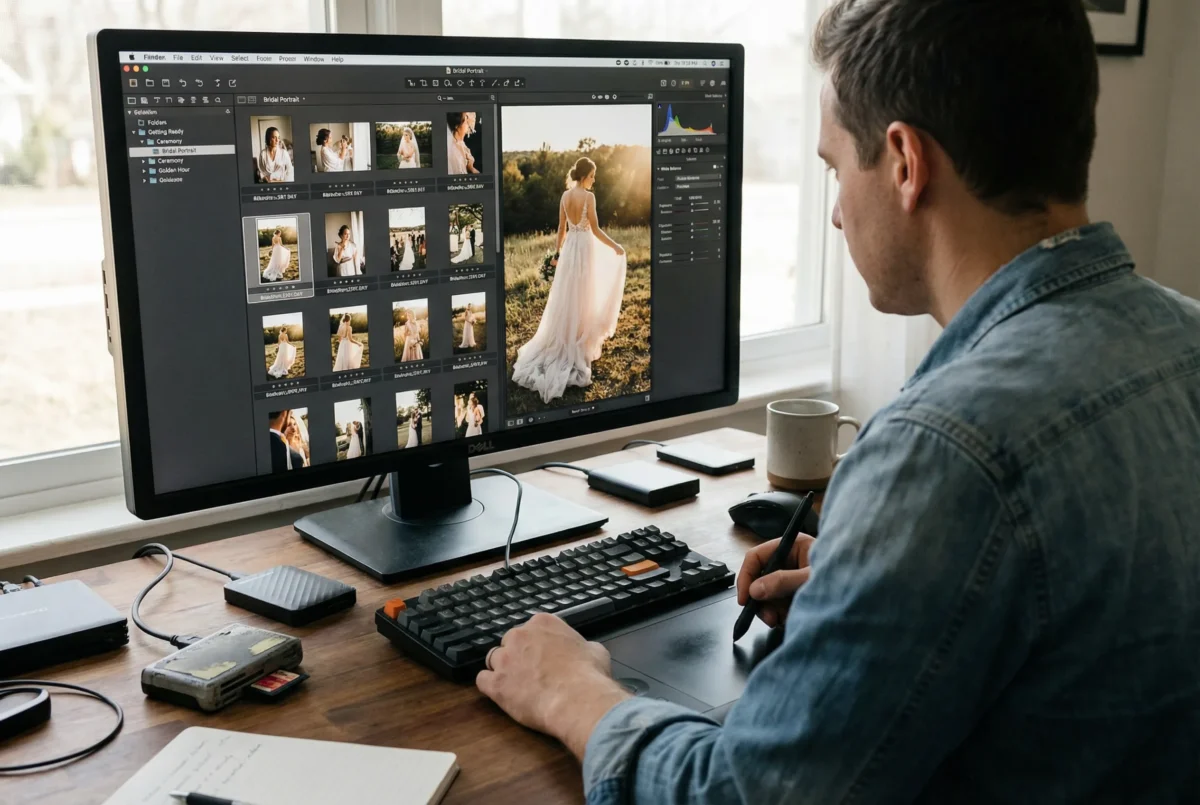
Start the edit by grouping the bridal portraits by light situation or time block. Do not mix bright window-light frames, open-shade images, and mixed-light room portraits into one correction pass if you can avoid it.
Choose one hero frame inside each lighting group before you start broad corrections. Set white balance, exposure, skin tone, and dress whites there first.
Keep the retouch restrained. Bridal portraits usually look stronger when the bride still looks like herself.
Remove distractions that compete with the bride, especially in getting ready bridal portraits. Bags, bottles, power cords, or clutter near the frame edge are usually worth cleaning. Permanent parts of the room only need heavier cleanup when they are clearly pulling the eye away from the portrait.
If you want a broader post-production breakdown beyond bridal work, see How to Edit Wedding Photos.
Where Evoto Fits in the Delivery Workflow
Evoto fits best once the look is already decided, not before. The main job here is not to invent a style from scratch. It is to help the bridal portrait set stay consistent once you already know what you want the delivery to feel like.


Powerful AI Photo Editor
Selective Curation & Color Match
The foundation of a professional bridal gallery begins with a disciplined edit. Before any retouching occurs, you must narrow the set down to the true “keepers.” That is usually the moment when tools for AI culling and AI color match become more useful than another round of guessing. Rather than manually guessing tones for each lighting change, use Color Match to anchor your visual narrative.
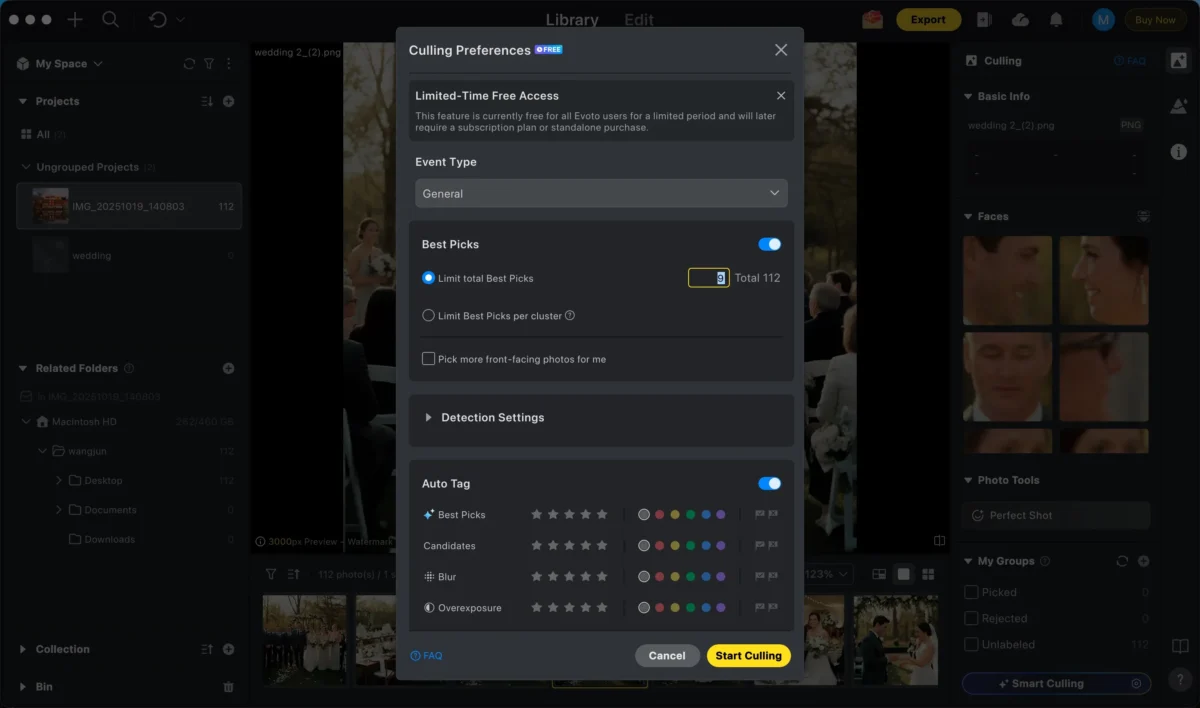
Whether you are aiming for a warm, airy glow or a moody, film-inspired finish, Color Match allows you to take your best-edited frame and instantly synchronize that specific DNA across the entire session. This ensures that solo portraits, ceremony candids, and detail shots all sit within the same color family, creating a cohesive base before you move into fine-tuning.
Natural Retouching: Keep it Believable
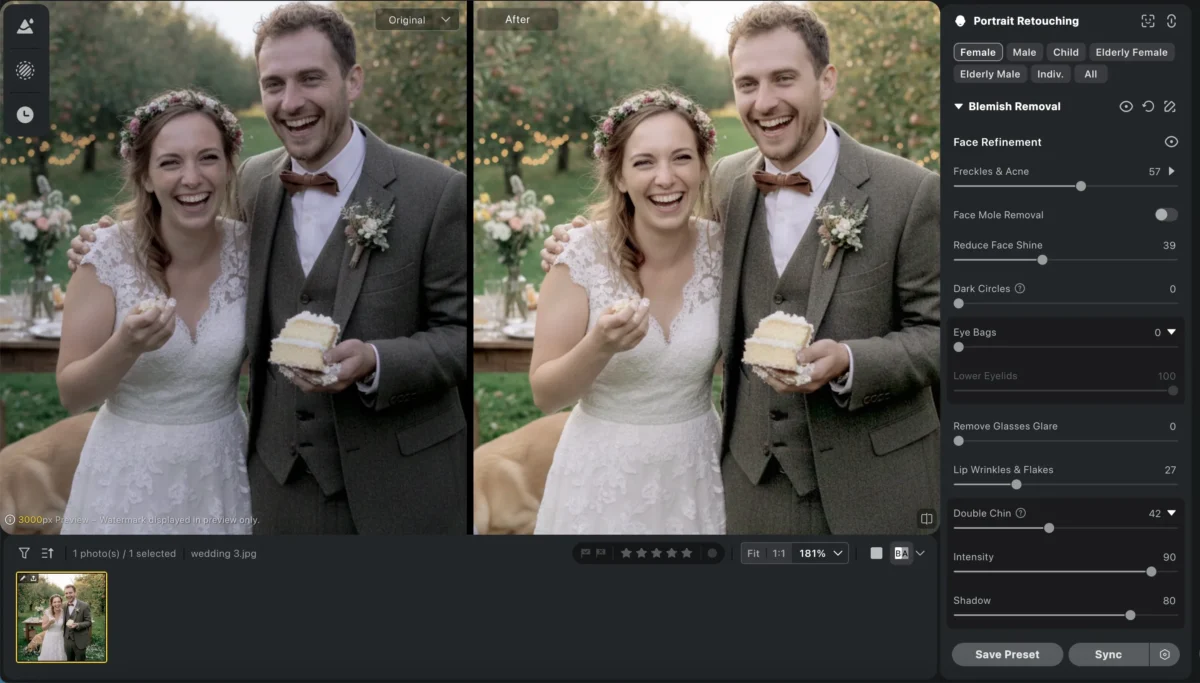
With the color foundation locked, the focus shifts to Portrait Retouching. The goal here is consistency, not reinvention. Using tools like Evoto, you can enhance the subject while maintaining the integrity of the original moment.
To keep the look professional and timeless, the retouching should be conservative:
Preserve Skin Texture: Maintain natural pores and fine details so the skin looks like skin, not plastic.
Maintain Likeness: Ensure the bride still looks like herself, avoiding over-sculpting that alters her natural character.
Rapid Consistency & Final Polish
The final stage is about the “last pass”—cleaning small distractions and ensuring a seamless flow across the delivery. Since your color is already unified via Color Match and your retouching style is defined, this step is about scaling that perfection.
Use batch edit to handle repetitive tasks like clearing sensor dust or stabilizing skin tones across different environments. This high-efficiency finishing ensures that the final gallery feels like a single, unified story—showing the same bride on the same wedding day with a clean, believable finish that stands the test of time.
Final Thoughts
Good bridal portrait photography is not about collecting random pretty frames while the schedule falls apart. It is about using a clear coverage order, stable light, and simple direction to get the bridal portraits that cannot be missed before the timeline shifts again.
When that order is clear, you get a stronger set on the wedding day and a cleaner path through editing and delivery afterward.
Try Evoto AI Photo Editor
Retouch photos with Evoto AI and make your photos best! Available on Windows, MacOS and iPadOS.