

Football, or soccer depending on where you live, is one of the hardest sports to photograph well. The field is large. The ball moves quickly. Players change direction without warning. A clean shot can turn into a blocked frame in less than a second.
That is why good football photography is not only about owning a long lens. You need the right gear, the right soccer photography settings, the right position, and a plan for what to shoot before the action reaches you.
In this guide, you will learn the best football photography tools and tips:
- what gear works best for football and soccer photography
- which camera settings help freeze fast action
- where to stand for stronger soccer photos
- how to capture tackles, saves, celebrations, and crowd reactions
- how to edit and share your best match-day images
1. Pick the Right Equipment
Football photography depends heavily on gear because the action is fast and often far away.
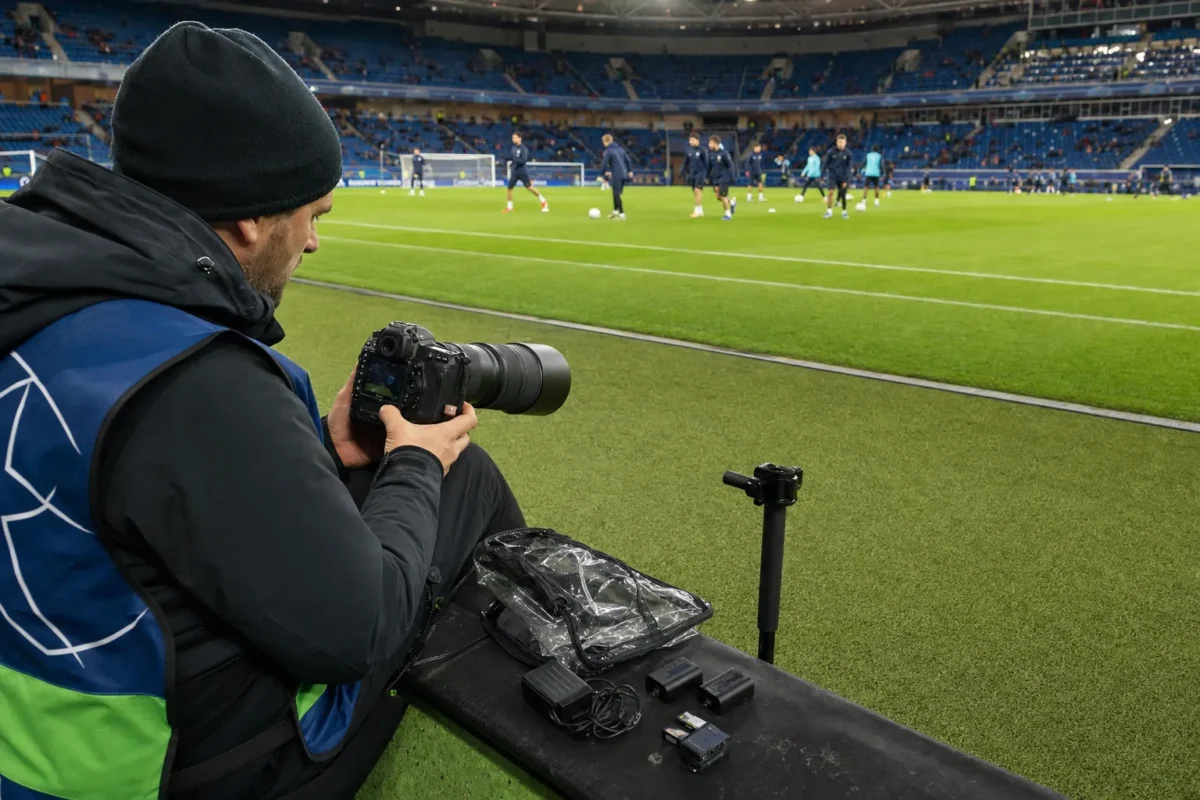
You do not need the most expensive sports camera on the market to start, but you do need a camera that can focus quickly, track moving subjects, and shoot a useful burst. A body with strong continuous autofocus, subject tracking, and a decent frames-per-second rate will make the job much easier.
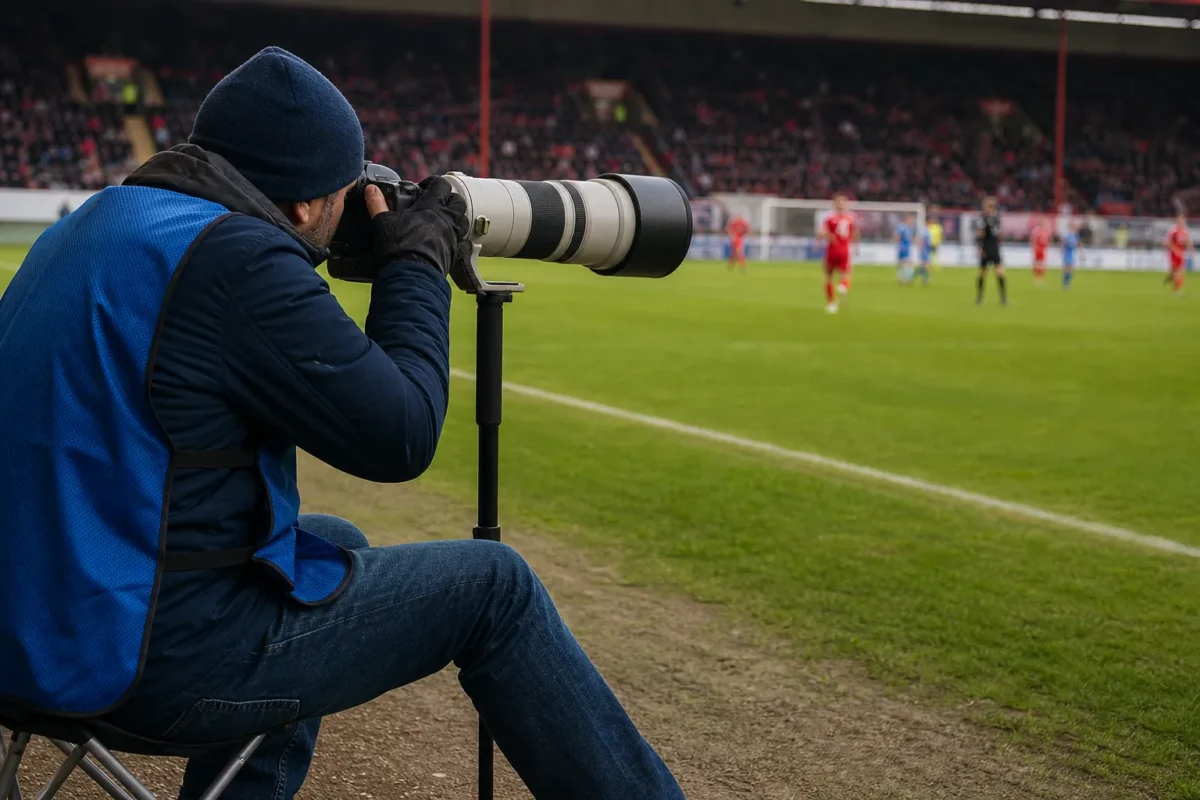
For lenses, a 70-200mm f/2.8 is one of the most useful starting points. It gives you enough reach for nearby action and enough light for evening games or stadium conditions. If you are covering a full-size pitch from the sideline or endline, a 300mm, 400mm, 100-400mm, or 200-500mm lens can help you reach action on the far side of the field.
If your lens is shorter, do not panic. Focus on the action that comes close to you. Shoot throw-ins, near-side runs, tackles near the sideline, substitutions, coaches, fans, and celebrations. A shorter lens can still tell the story of the match if you use it where it makes sense.
2. Bring a Monopod
A monopod is one of the simplest ways to make soccer photography more comfortable.
Long lenses get heavy quickly, especially if you are sitting low for an entire half. A monopod takes weight off your arms, steadies your frame, and helps you stay ready when play suddenly turns toward you.
It also helps in lower light. Even if your shutter speed is fast enough to freeze the players, long lenses can still feel unstable when you are tired. A monopod keeps your setup balanced without slowing you down like a tripod would.
A small folding stool can help too. Many football photographers work from a seated or kneeling position, and staying comfortable keeps your reactions sharper late in the game.
3. Choose Your Soccer Photography Settings Carefully
The right camera settings will not create a great photo by themselves, but the wrong settings can ruin a great moment.
For most football photography, start with these settings:
- Shutter speed: 1/1000s or faster for adult match action
- Aperture: f/2.8 for single-player isolation, f/4 when multiple players need to stay sharp
- ISO: as low as possible while keeping the shutter speed high enough
- Focus mode: AF-C or AI Servo continuous autofocus
- Drive mode: high-speed continuous shooting
- File type: RAW when you need flexibility, JPEG when fast deadline delivery matters most
You can drop to 1/500s or 1/800s for younger players or slower moments, but fast tackles, headers, and goalkeeper saves usually need more speed. If you are shooting a night game, do not be afraid to raise ISO. A sharp high-ISO file is usually better than a clean file with motion blur.
Manual mode works well when the light is consistent. Shutter Priority can be useful if clouds, shade, or stadium lighting change during the match. Either way, protect your shutter speed first.
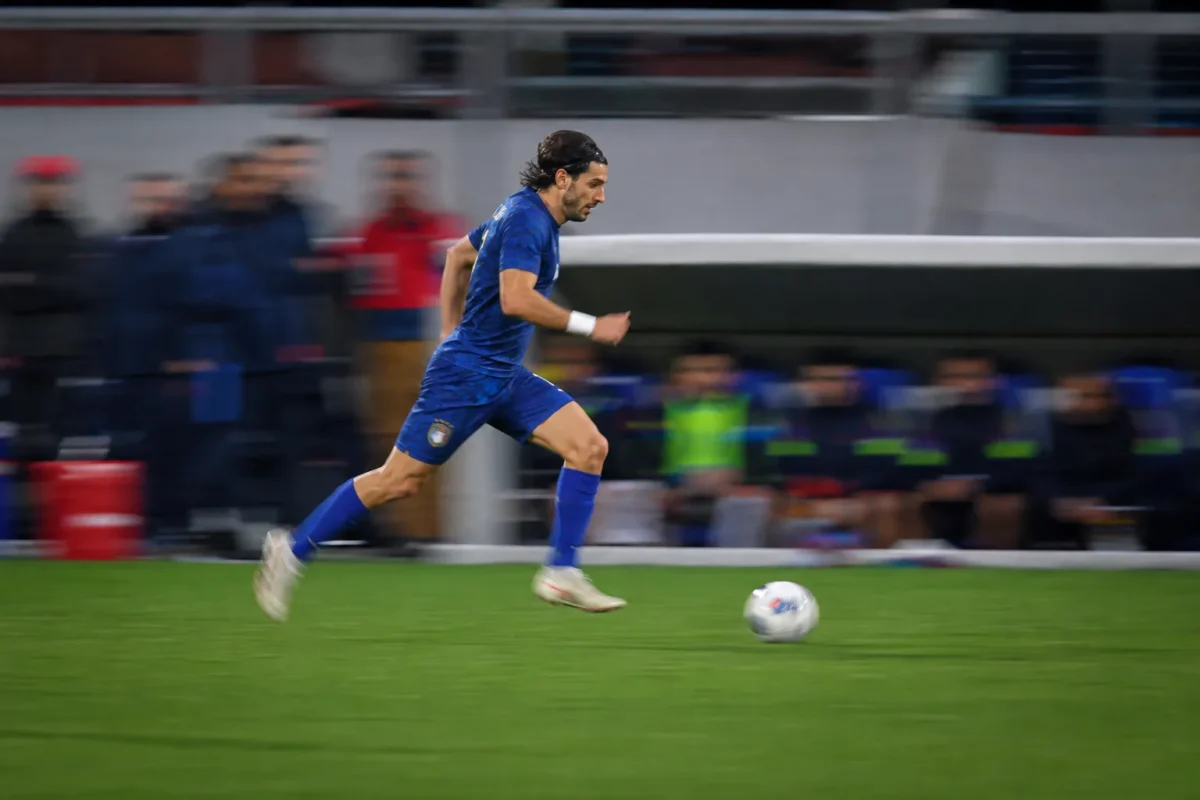
You can also try slower shutter speeds for creative panning. Start around 1/60s to 1/125s, follow the player smoothly, and expect many misses. When it works, the player stays readable while the background shows speed.
4. Get in the Right Position
Where you sit has a huge effect on the photos you can make.
One of the biggest mistakes beginners make is trying to follow the ball around the field. You will spend more time running than photographing. A better approach is to choose a strong position and wait for the action to come into your zone.
Useful soccer photography positions include:
- Near the corner: Good for players running toward you, tackles near the box, and celebrations.
- Behind or near the endline: Good for goalmouth action, saves, and attacks coming into the penalty area.
- Sideline near the penalty area: Good for a mix of attacking runs, midfield pressure, and coach reactions.
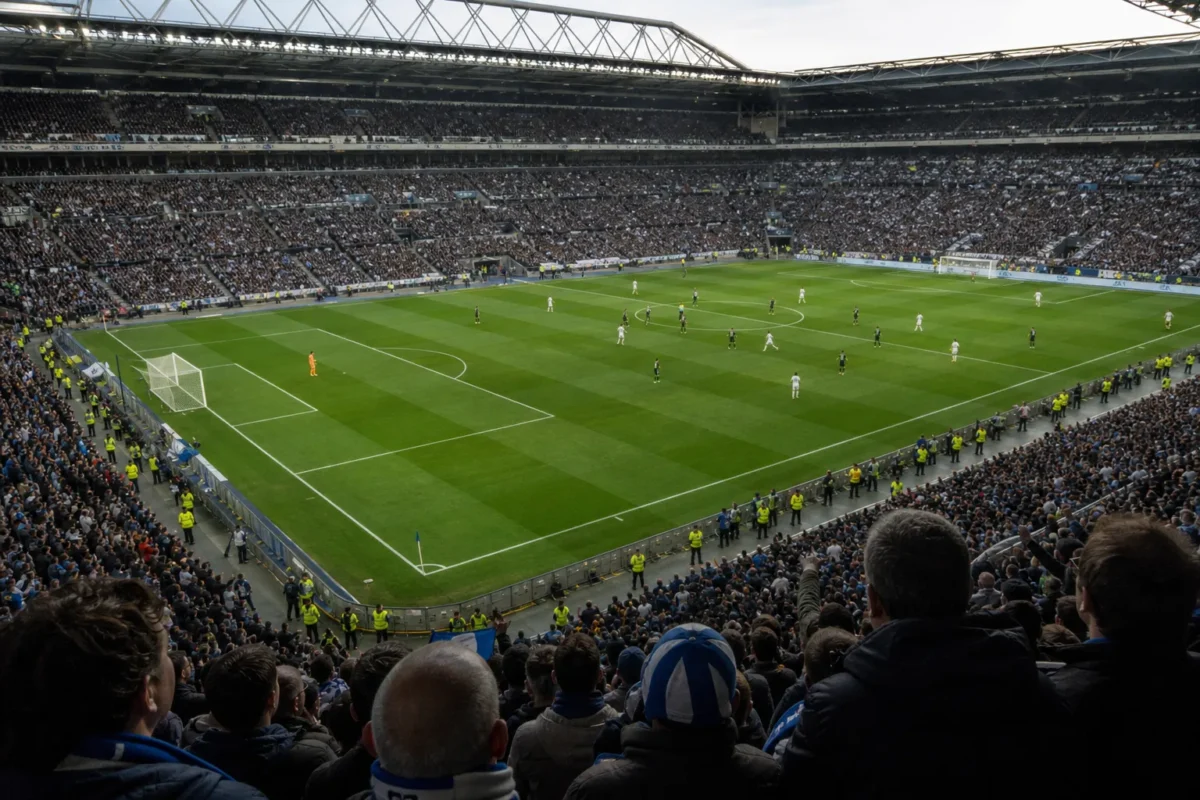
- Higher in the stands: Good for tactical shape, wide story frames, and stadium atmosphere.
If you are covering one team, consider switching ends at halftime so they keep attacking toward your camera. This gives you more faces, cleaner running lines, and better chances at goal celebrations.
5. Stay Low for Stronger Photos
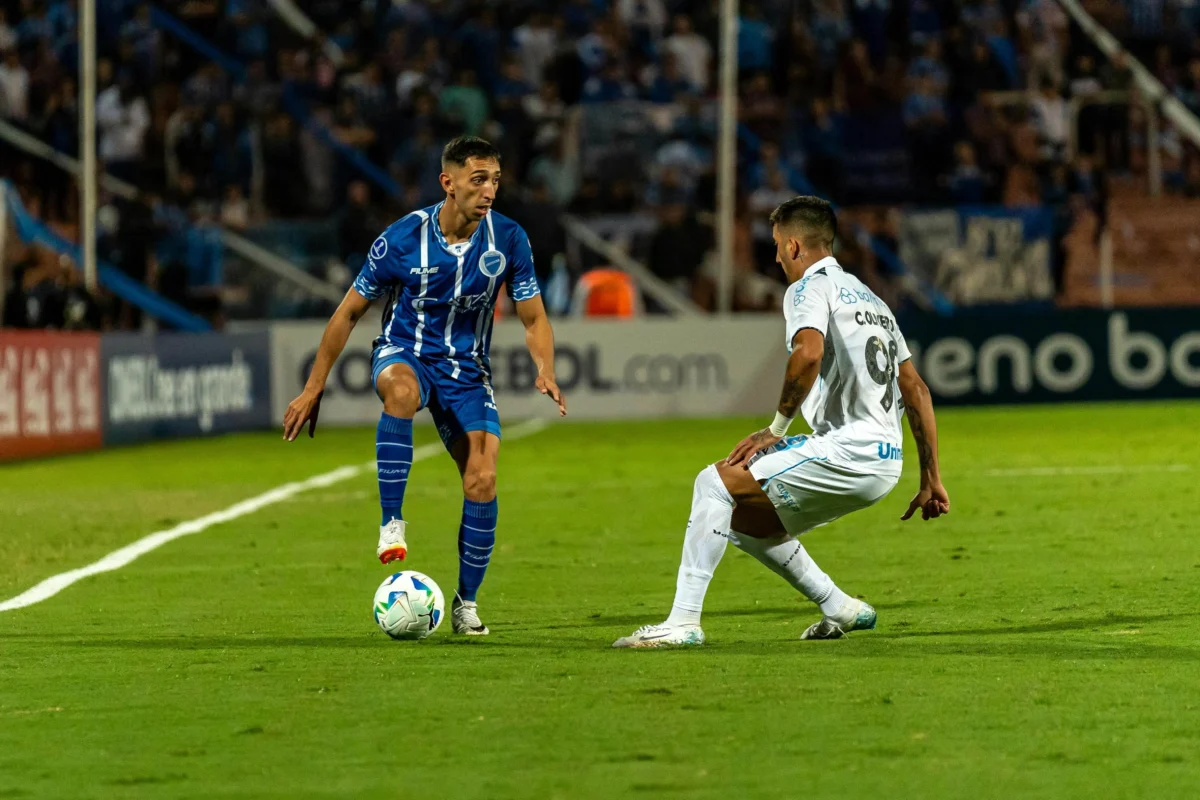
Low angles often make football photos feel more powerful.
When you shoot from standing height, the frame can include too much grass and not enough expression. Getting lower helps place players against the crowd, stadium, or boards. It also makes tackles, sprints, and jumps feel more dramatic.
You do not need to lie flat on the ground for every frame. Sitting, kneeling, or using a low stool is usually enough. The goal is to see faces, body shape, and the background behind the players instead of looking down on the action.
Low angles also help with clean backgrounds. Instead of filling the frame with turf, you can use the crowd or stadium wall behind the player.
6. Watch for Key Moments
The best soccer photos usually happen around moments of pressure.
Watch for:
- shots on goal
- goalkeeper saves
- sliding tackles
- headers
- players sprinting into space
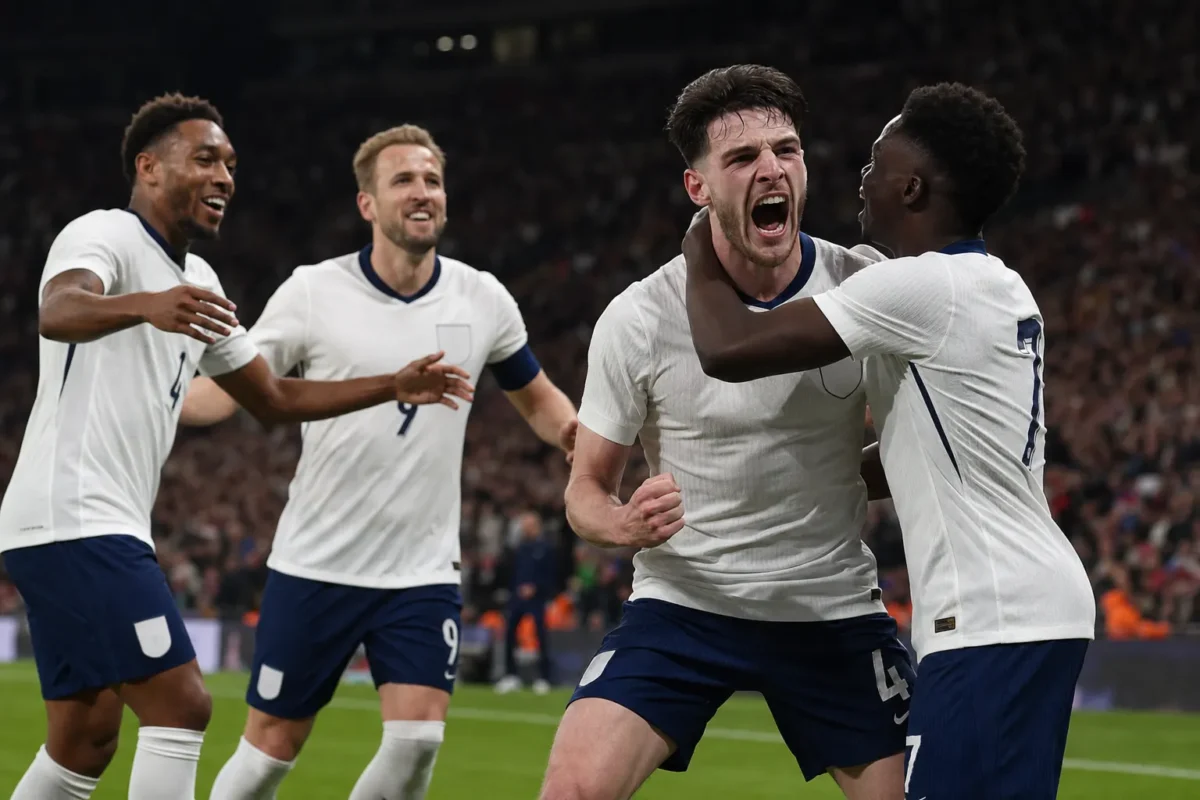
- goal celebrations
- coach reactions
- disappointed players after a missed chance
- crowd reactions after a goal
For headers, try to catch the ball close to the player’s head. If the ball is too far away, the image can feel disconnected. For tackles, watch the approach as well as the contact. Sometimes the best frame is just before the challenge lands.
For celebrations, keep shooting after the ball goes in. Players often turn toward teammates, fans, or the bench. Those reactions can be stronger than the goal itself.
7. Learn the Game
Knowing football makes you a better football photographer.
If you understand the game, you can predict what might happen next. You will know when a winger is about to cross, when a striker is making a run, when a goalkeeper is setting for a shot, or when a defender is likely to step into a tackle.
Before a match, learn a little about the teams. Who takes corners? Who is the main striker? Which side attacks more often? Is there a player known for headers, long shots, or aggressive defending?
These details help you point the camera before the moment happens. That is the difference between reacting late and being ready.
8. Start Small and Build Experience
You do not need to begin with a professional stadium.
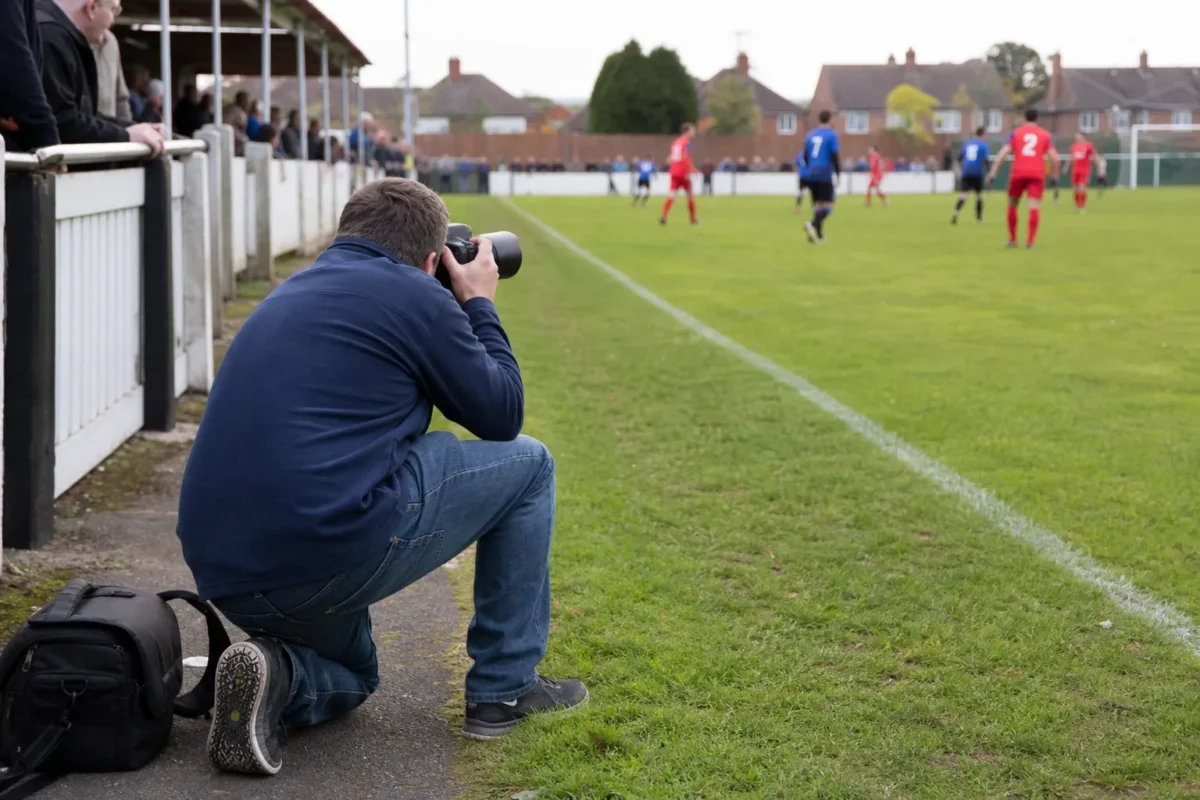
Local leagues, youth games, school matches, and amateur clubs are excellent places to learn. Access is often easier, pressure is lower, and you can practice positioning without fighting a crowded media area.
Start by covering one team or one match from beginning to end. Try different positions. Review what worked and what did not. Notice which frames feel clean and which ones feel blocked or too far away.
As your work improves, share a small set with the club, parents, local publications, or social media teams. Football photography grows through repetition. The more matches you shoot, the better you will read the game.
9. Capture Clean Backgrounds and Wider Shots
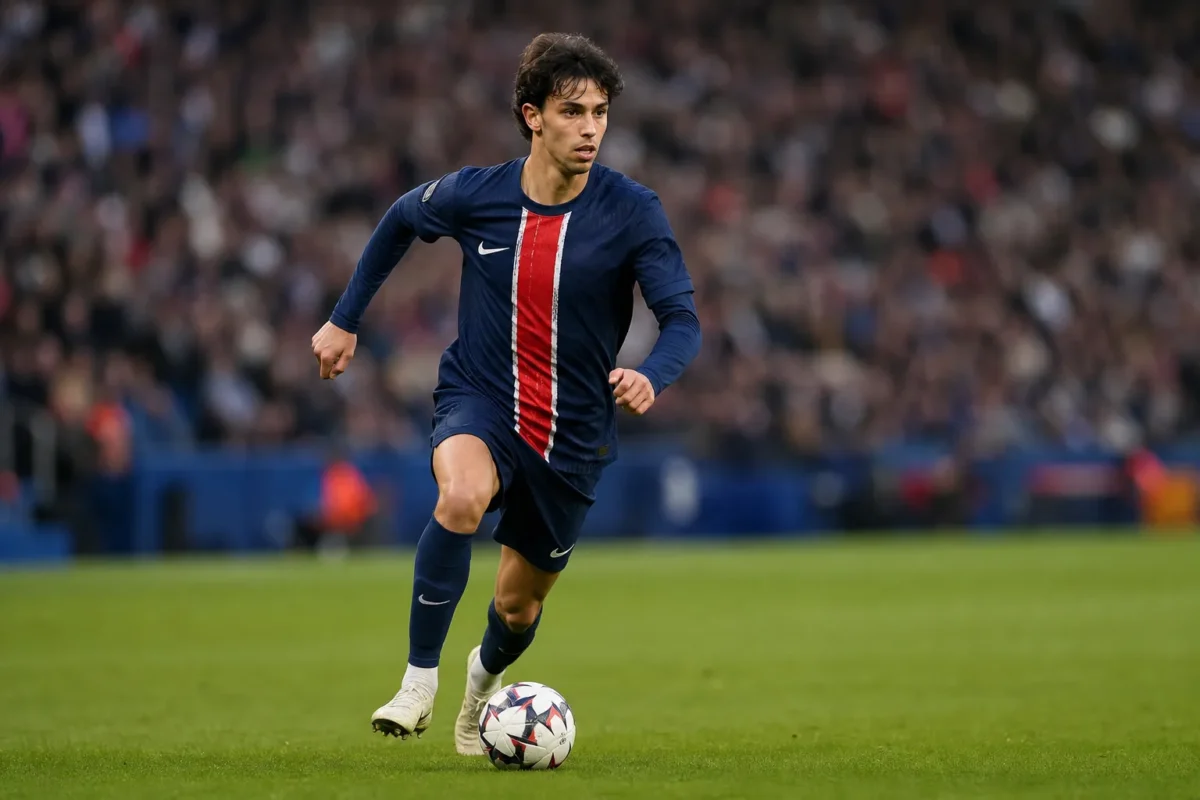
Strong action can be weakened by a messy background.
Before the ball reaches your area, scan what sits behind the play. Advertising boards, staff, benches, poles, bags, empty seats, and bright signs can all pull attention away from the player.
You cannot control every background during a live match, but you can improve your odds. Move a few meters if the angle is bad. Get lower if the turf is too dominant. Use a wide aperture when you need separation.
Also remember to shoot wider frames. Close action is exciting, but a full match story needs atmosphere. Photograph the stadium, fans, weather, warm-ups, benches, banners, and post-match reactions. These images add variety and help the final gallery feel complete.
10. Edit and Share Your Best Shots
The work does not end when the match ends.
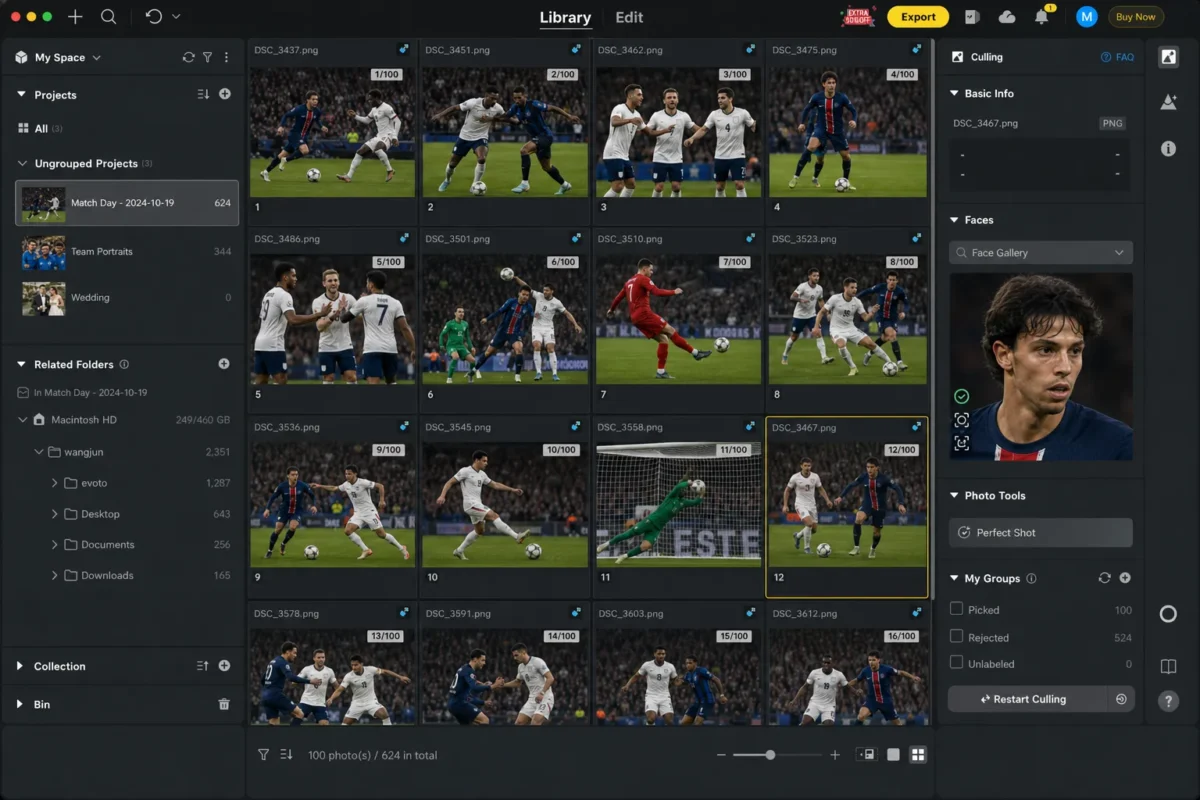
A football game can leave you with hundreds or thousands of frames. Many will be near-duplicates from bursts. Some will be sharp but boring. Others will have the ball hidden, faces blocked, or awkward body positions.
Start with a fast first pass. Remove missed focus, weak moments, repeated frames, and images where the story is not clear. Then compare the stronger bursts and keep the frame where the ball, face, body shape, and background work best together.
This is where Evoto can support the workflow without taking over the article. The broader Evoto sports photography page is the best fit for this use case because football match coverage is a high-volume sports job, not a single-image edit. Evoto AI Culling helps when the main pressure is sorting repeated bursts quickly.
For the final selected set, Evoto AI Color Match can help keep a consistent match-day look across action, celebrations, fans, and sideline reactions.
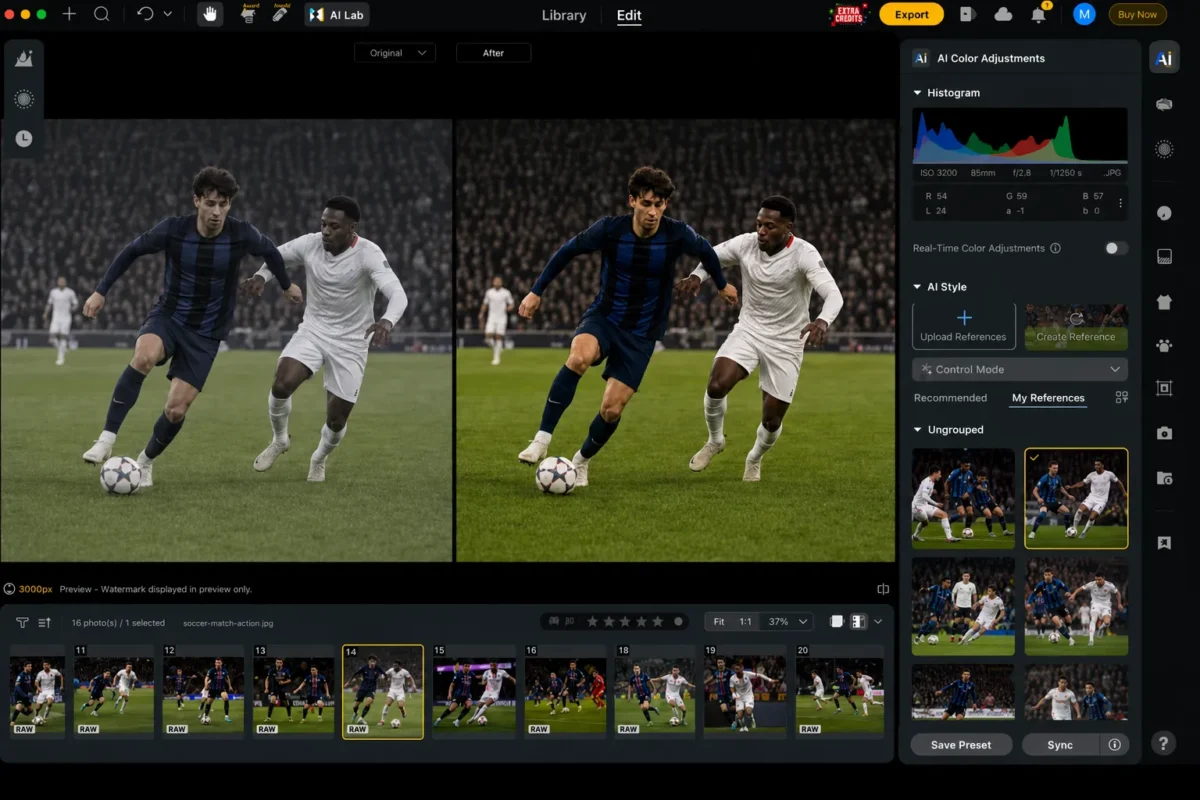
Keep edits realistic. Correct exposure, white balance, contrast, and color, but do not make the grass neon or turn stadium light into a fake cinematic effect.
For more sports-editing context, Evoto’s guide to editing NFL photos is useful even though the sport is different. If you are building a repeatable match workflow, Evoto’s blog on batch processing for photographers is also a natural companion read.
Football Photography Tips: Final Words
Football photography is difficult because the best moments do not wait for you. The ball moves, players overlap, and the light is not always kind.
But the process becomes easier when you prepare well. Bring the right lens. Use a fast shutter speed. Work low. Choose your position carefully. Watch the game instead of chasing it. Shoot the key action, but do not forget the wider story.
Then be strict after the match. Keep the photos that show the game clearly and let the weaker frames go.
Do that consistently, and your soccer photos will start to feel sharper, cleaner, and more complete.
Try Evoto AI Photo Editor
Retouch photos with Evoto AI and make your photos best! Available on Windows, MacOS and iPadOS.