
Prime vs zoom lenses sounds like a gear question, but for most photographers it is really a shooting-style question. The difference shows up in how you frame, how fast you move, how much flexibility you have, and how intentionally you work in the moment.
This guide breaks down the real difference between prime and zoom lenses, where each one works best, how to choose based on the way you actually shoot, and which common assumptions about sharpness, creativity, and convenience are usually too simplistic.
What Is the Difference Between Prime and Zoom Lenses?
What a prime lens is
A prime lens has one fixed focal length. That means it does not zoom in or out. If you want a tighter or wider frame, you have to move yourself instead of turning a zoom ring.
That sounds limiting at first, but it also makes the lens choice simpler. You are always working with one clear angle of view.
What a zoom lens is
A zoom lens covers a range of focal lengths in one lens. Instead of changing position every time, you can reframe by zooming wider or tighter.
That is why zoom lenses are often seen as the more flexible choice. They let you react faster when the subject distance changes or when you cannot move easily.
Why the real difference is not just focal length, but shooting behavior
The real difference between prime and zoom lenses is not only what number is written on the lens. It is how each lens changes the way you shoot.
A prime lens often slows you down in a useful way. It pushes you to think more about position, distance, and composition. A zoom lens usually gives you more speed and convenience, which matters when the scene is changing faster than you can move. If you are still learning how focal length changes a frame, it also helps to compare this with a more place-driven lens guide like wide-angle lens photography.
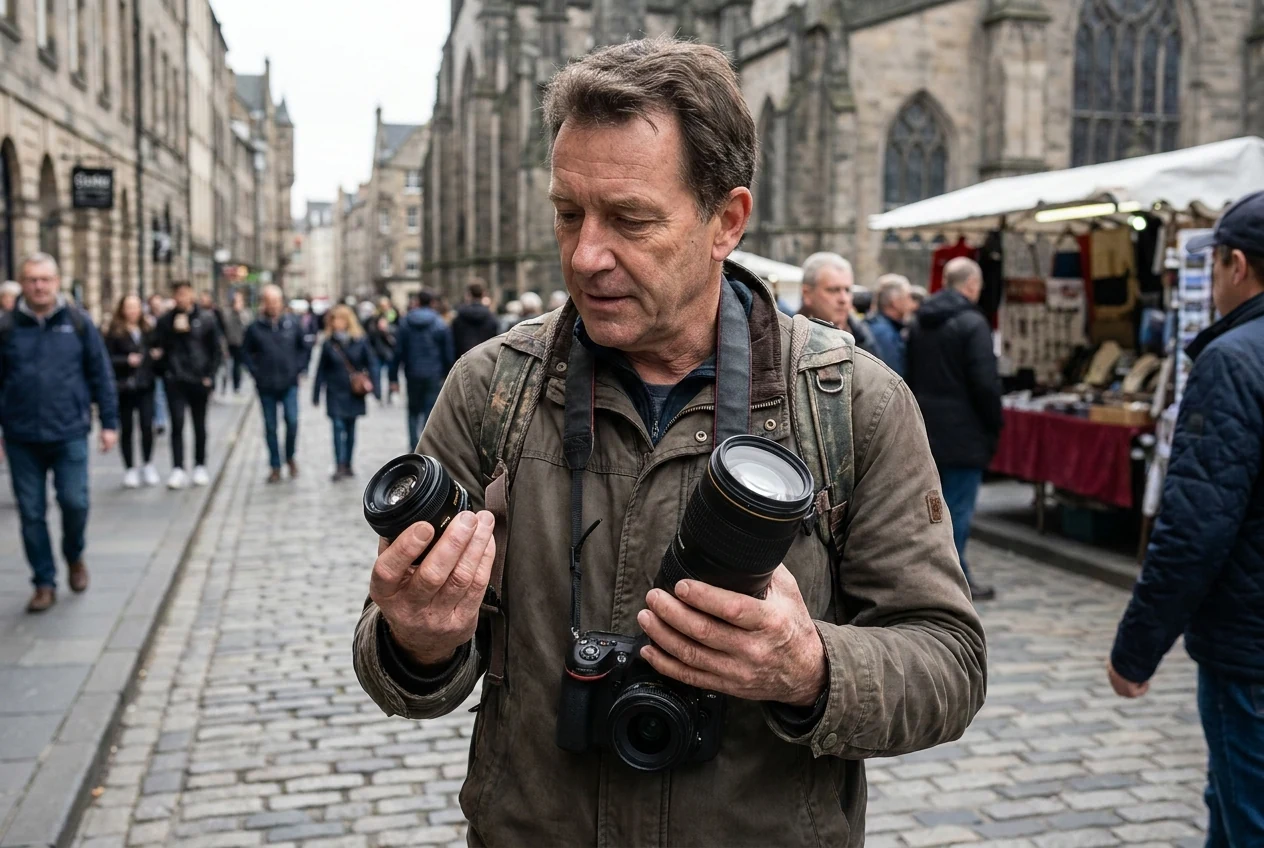
Prime vs Zoom Lenses: What Actually Changes When You Shoot
Framing flexibility
This is the most obvious difference. A zoom lens gives you more framing flexibility from one position. That matters in events, travel, family sessions, or any situation where the subject distance changes quickly.
A prime lens gives you less framing flexibility from where you stand, but it often makes framing more deliberate. You are choosing position more actively instead of adjusting the frame only with the lens.
How lens choice changes light, blur, and carrying comfort
Prime lenses often have wider maximum apertures, which can help in lower light and create stronger background blur. That does not mean every prime is automatically better, but it does mean many primes are built to give you more light and more subject isolation. If low-light control is one of the reasons you are leaning toward a prime, it is worth pairing this decision with stronger photography lighting tips instead of expecting the lens alone to solve the whole problem.
Zoom lenses are often more convenient because one lens can cover several focal lengths, but some are larger and heavier. In real use, the question is not just which lens is brighter on paper. It is also which one you will actually want to carry and use for the kind of shooting day you have.
How each lens type changes the way you move and compose
Prime lenses usually make you move more. That can help composition because it forces you to think about distance, perspective, and where the subject sits in the frame.
Zoom lenses change the process. You can stay in place and refine the framing faster, which is extremely useful when movement is limited or when the subject is changing too quickly for you to reposition every time.
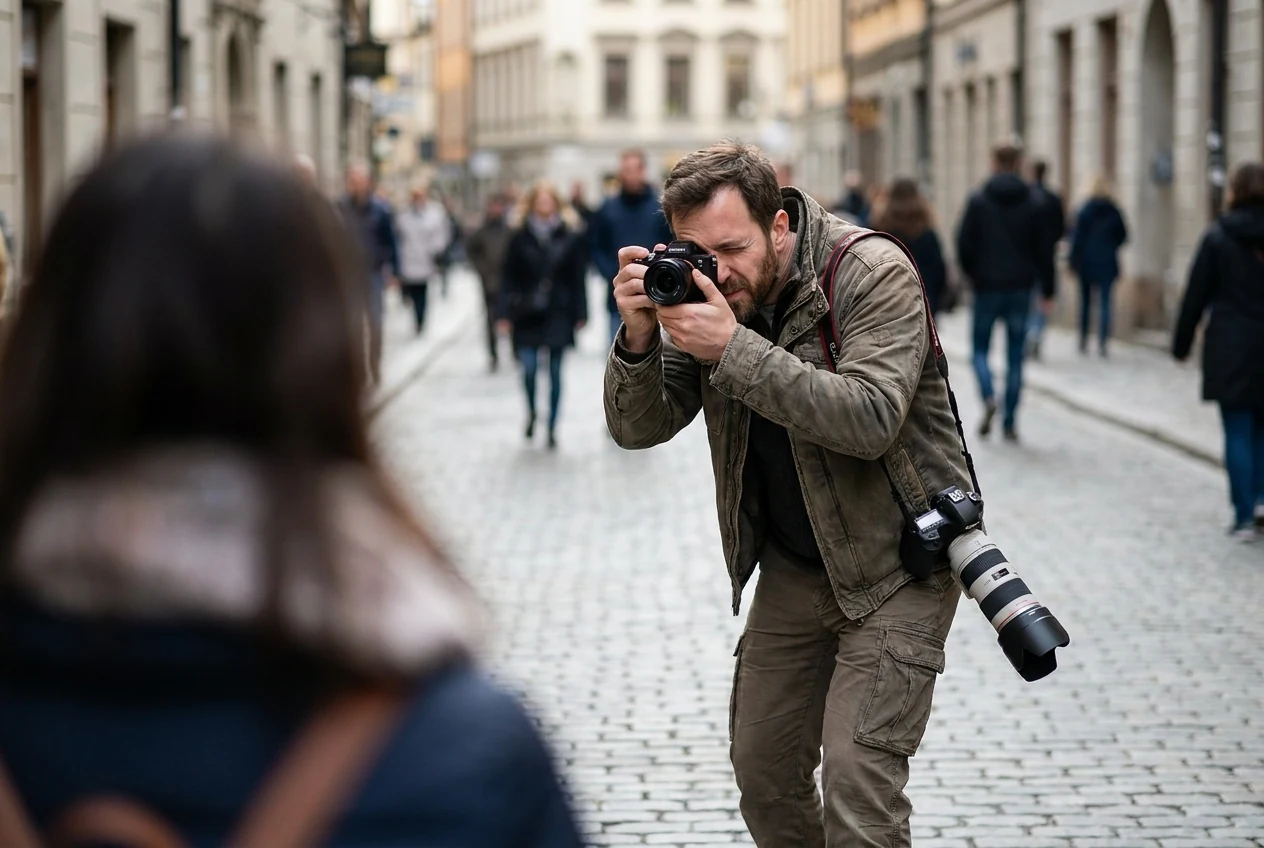
When Prime Lenses Work Best
Portraits and lower-light situations
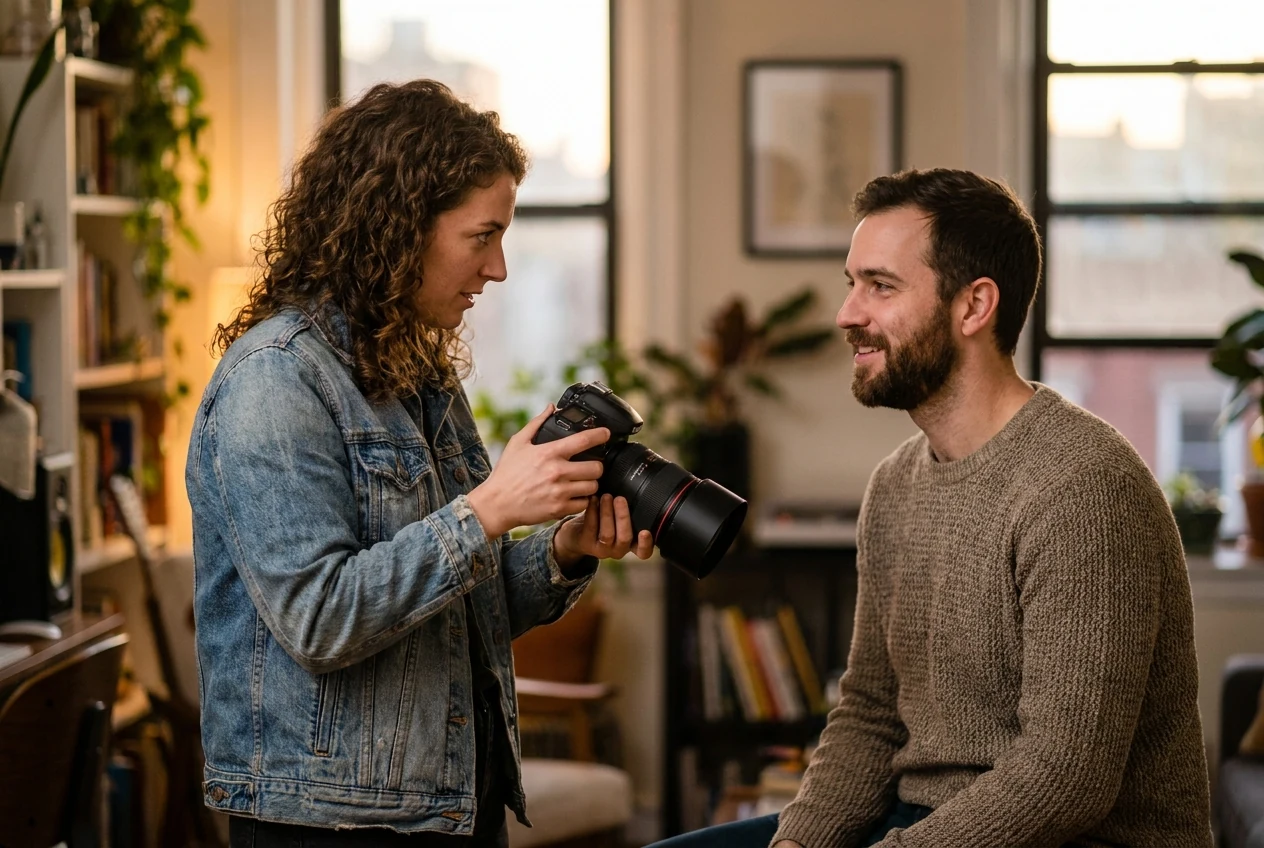
Prime lenses often work well for portraits because wider apertures can help isolate the subject and keep the background simpler. They also make sense in lower light when you want more flexibility before raising ISO too much.
That is one reason prime lens vs zoom lens for portraits is such a common comparison. In portrait work, the cleaner subject separation from a fast prime can make a visible difference. If those portrait files still need finishing after the lens choice is made, a tool like Portrait Retouching belongs later in the workflow, not in the lens decision itself.
Deliberate composition and simpler setups
Prime lenses are also strong when the scene is not changing too quickly and you want to work more intentionally. If you have time to move, adjust your position, and simplify the frame, a prime can feel clear and direct instead of limiting.
Photographers who want one clear focal length mindset
Some photographers simply work better when they stay with one focal length for a while. That consistency helps them understand distance, framing, and perspective more deeply.
For that kind of shooter, the fixed nature of a prime is not a problem. It is part of the benefit.
When Zoom Lenses Work Best
Events, travel, and fast-changing scenes
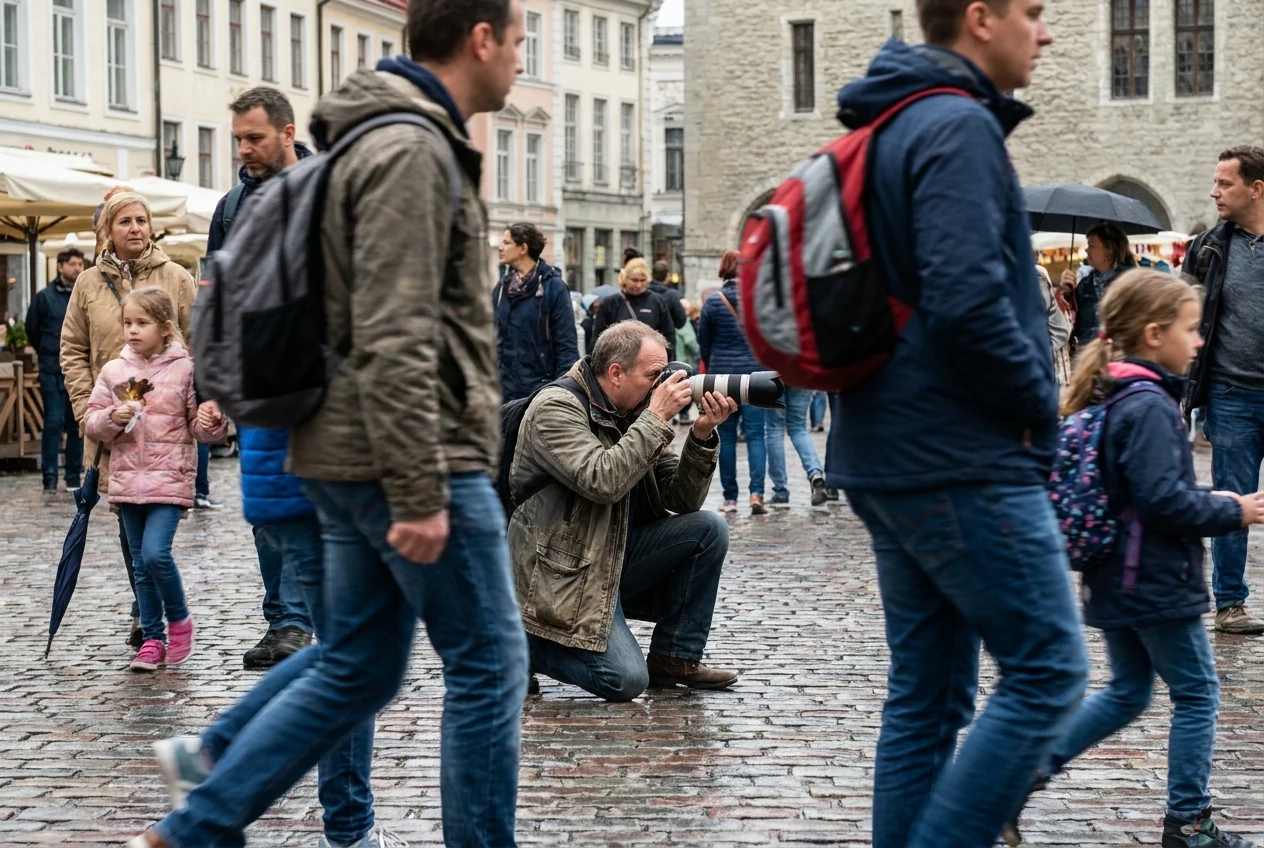
Zoom lenses work best when the scene changes faster than you can. Events, travel, family gatherings, and documentary situations often reward flexibility more than one specific focal-length look.
That is where zoom lenses save time. You can move from wide context to tighter framing without changing lenses or missing the moment.
Situations where distance changes constantly
If your subject keeps moving closer and farther away, a zoom lens often makes more sense. This is common in weddings, kids’ photography, street scenes, and travel situations where you cannot always control where you stand.
Photographers who need speed and flexibility more than one fixed look
Some photographers do not want one focal-length mindset. They want one lens that lets them solve more framing problems quickly. For them, a zoom lens is not the lazy option. It is the more practical tool.
How to Choose Based on the Way You Shoot
If you care most about speed and convenience
If speed and convenience matter most, a zoom lens is usually the safer choice. It will let you respond faster, cover more situations, and reduce the need to change lenses.
If you care most about simplicity and subject isolation
If you care most about a simpler setup, stronger subject separation, and one clear way of seeing, a prime lens may fit better. It is often less about technical superiority and more about how you prefer to work.
If you shoot a mix of portraits, travel, family, or events
If you shoot a mix of subjects, the best answer depends on which part of that mix matters most. Portrait-heavy shooting often rewards primes more. Travel, family, and event coverage often reward zooms more.
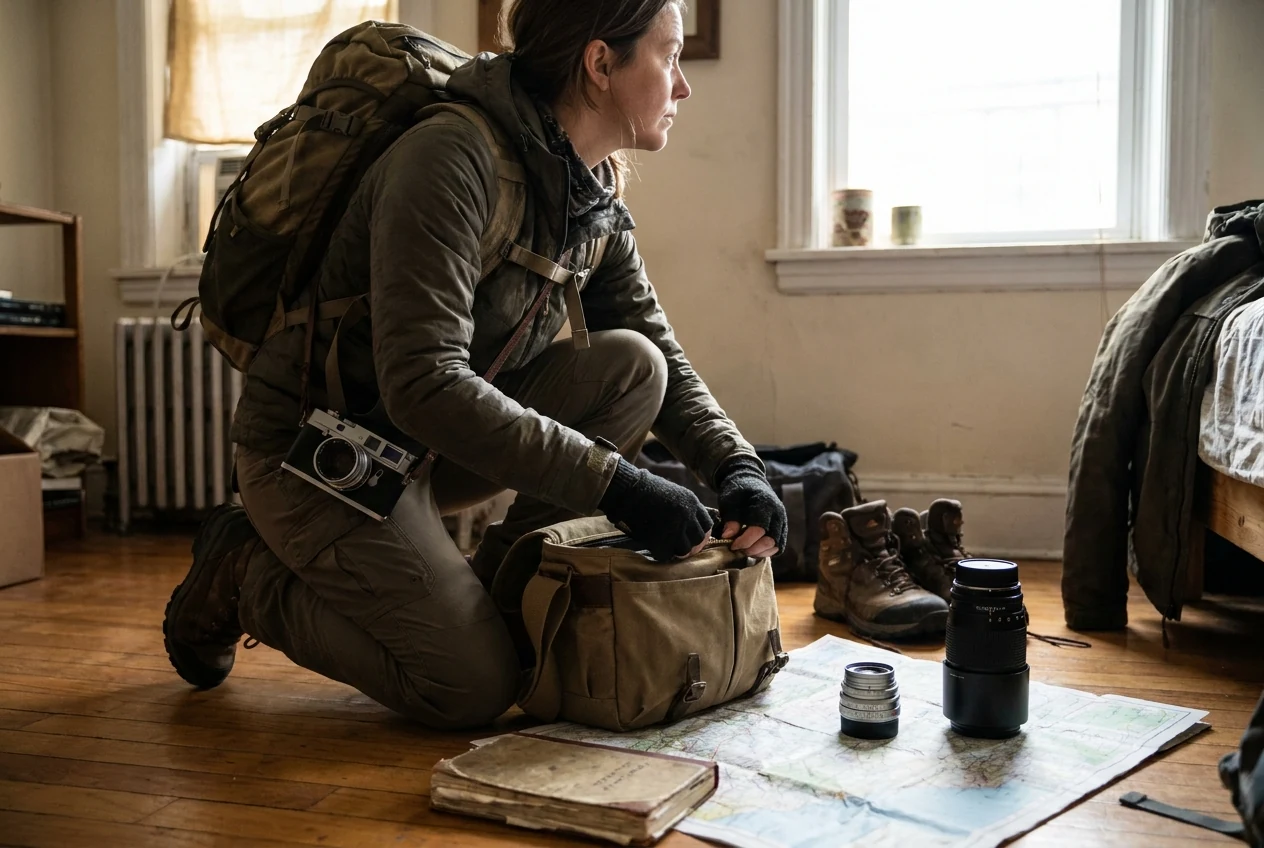
This is why prime vs zoom lens for travel is such a practical question. Travel usually favors flexibility unless you already know you want to work around one focal length. If your travel work also depends on more graphic light-dark separation, it helps to look at how high contrast images change the final feel before assuming the lens is the only reason one frame looks stronger than another.
If you are building your first kit and need the safer starting point
If you are building your first kit and want one lens that covers more situations, a zoom is often the safer starting point. It gives you range, teaches you what focal lengths you actually use, and helps you discover whether you later want a prime for a more specific purpose.
Common Prime vs Zoom Lens Mistakes
Assuming prime always means better photos
Prime lenses are not automatically better. They can help in some situations, but they do not replace timing, composition, or subject choice.
Assuming zoom always means less creative shooting
Zoom lenses are not automatically less creative either. They simply solve a different problem. A strong photographer can still compose with intention using a zoom lens.
Buying based on specs instead of actual shooting habits
This is the most common mistake. People compare sharpness charts, aperture numbers, or internet opinions without asking what they actually photograph most often.
The better question is practical: which lens will help you get the shot more reliably in the situations you really shoot?
A Simple Workflow After the Lens Choice
Shoot first for framing and subject clarity
Once you choose the lens, the first job is still the same: get the frame right and make the subject read clearly. The lens choice should help that happen more easily, not distract you from it.
Keep the edit clean and consistent after the lens decision is already made
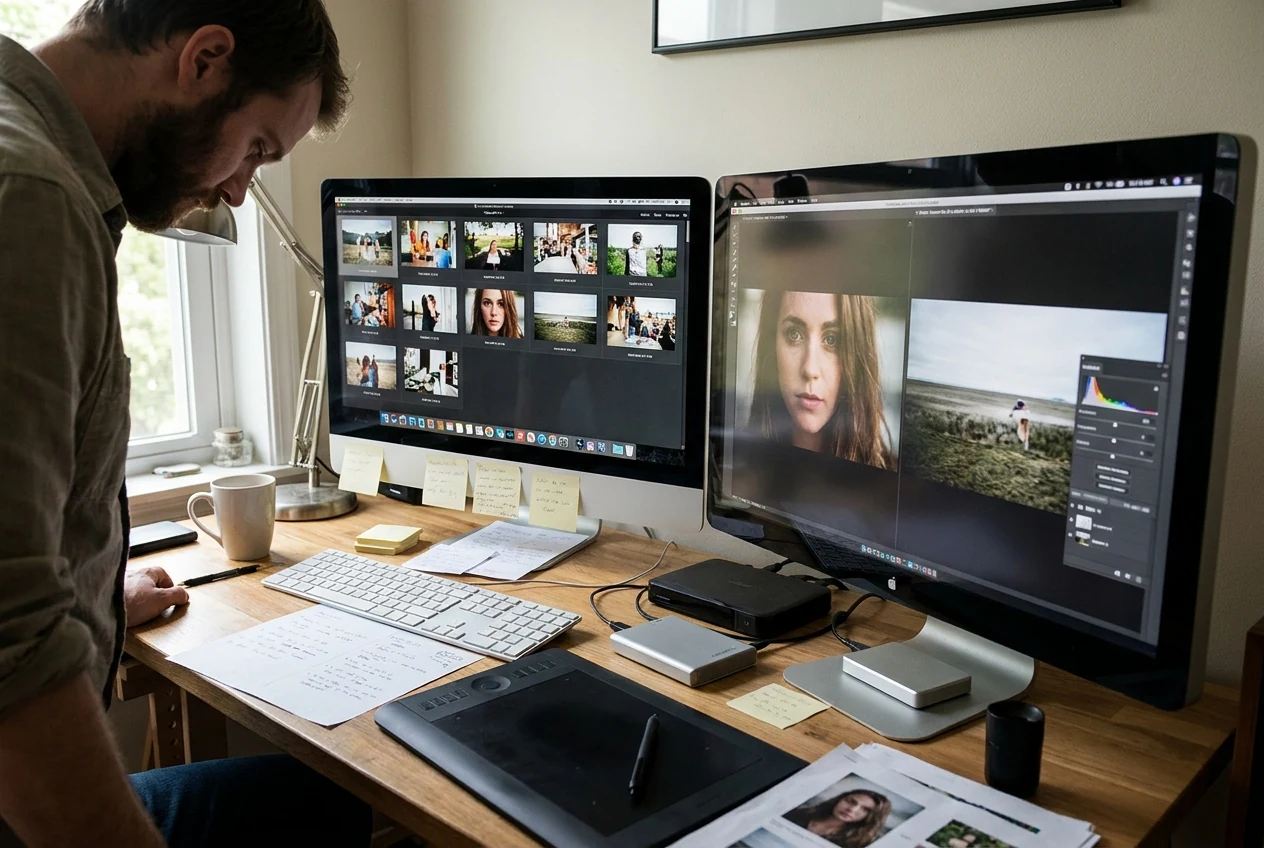
Editing should support the look you already captured, not fix a poor lens decision after the fact. Once the frame is working, the cleanest workflow is to keep exposure, crop, and overall polish consistent without overcomplicating the process. In practical terms, that can mean sorting mixed takes faster with AI Culling and Photo Organizer, keeping framing more even with AI Crop Image, and smoothing out lens-to-lens consistency with AI Color Match.
Final Thoughts
Prime vs zoom lenses is not really about which type is universally better. It is about which one fits the way you shoot, move, and solve framing problems in real situations.
If you want one clear focal-length mindset, simpler subject isolation, and a more deliberate pace, a prime may suit you better. If you want speed, flexibility, and one lens that can handle more changing situations, a zoom may be the smarter fit.
The best choice is usually the one that helps you shoot more confidently, not the one that only looks better in a spec comparison.
Try Evoto AI Photo Editor
Retouch photos with Evoto AI and make your photos best! Available on Windows, MacOS and iPadOS.