

A floor reflection can make an image feel more polished, grounded, and visually intentional. It can also look fake very quickly. In most bad examples, the problem is not simply that a reflection was added. The problem is that the reflection is too strong, too sharp, too long, or disconnected from the subject and the image logic.
That is why realistic floor reflections usually come from restraint, not from adding more effect. The goal is not to make the reflection obvious. The goal is to make it feel like it belongs there. This is the core idea behind make floor reflections look realistic—understanding what creates a believable result instead of just adding the effect. Once you understand what causes the fake look, it becomes much easier to tell whether the image needs a small fix, a lighter touch, or a full redo.

Why Floor Reflections Often Look Fake
The reflection is too visible compared with the subject
One of the most common problems is that the reflection pulls too much attention. If it is nearly as dark, sharp, or complete as the main subject, it starts competing with the image instead of supporting it.
A realistic floor reflection usually feels quieter than the subject. If the reflection is the first thing you notice, it is probably too strong.
The contact point with the floor does not make visual sense
A reflection needs to begin where the subject actually meets the floor. If there is a gap, an awkward overlap, or a contact point that does not line up with the subject shape, the fake look appears immediately.
This is especially obvious in shoes, hems, bottles, or products with a clear base. Even small alignment errors can make the whole effect feel pasted on.
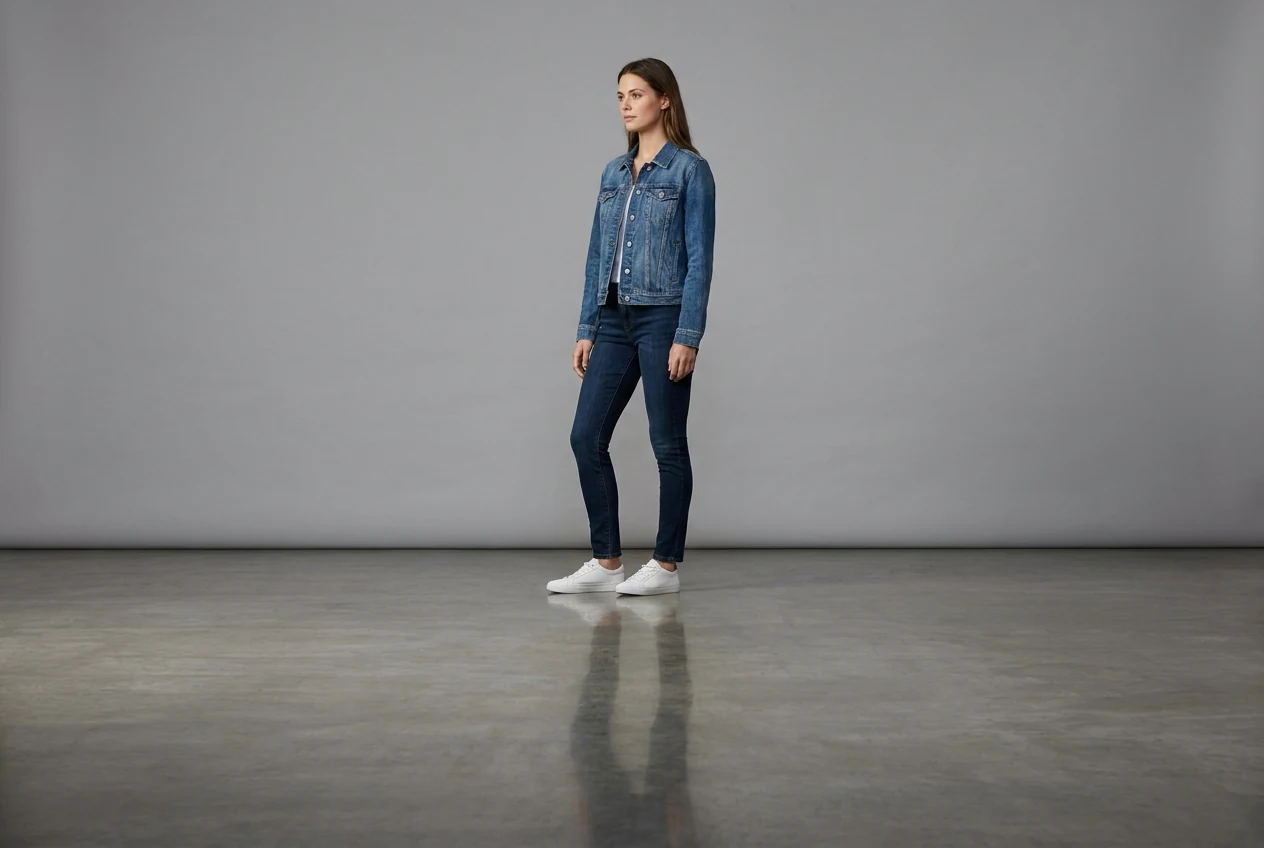
The reflection stays too sharp, too dark, or too complete
Realistic floor reflections usually lose detail and contrast quickly. They do not read like a perfect mirror copy. If the reflection stays too crisp all the way down, holds too much dark value, or includes too much complete detail, it starts looking graphic instead of believable.
That is one reason many floor reflections fail. They are built like duplicates instead of treated like supporting visual information.
What Makes a Floor Reflection Look Realistic
Believable contact with the ground
The most important thing is that the reflection feels attached to the subject. The viewer should immediately understand where the reflection begins and why it belongs under that subject.
If the grounding makes sense, the reflection already has a much better chance of feeling real.
Softer detail and lower contrast than the main subject
A believable reflection is usually weaker than the thing it reflects. That means softer texture, lower contrast, and less visual weight than the subject itself.
This softer treatment is what helps the reflection stay in a supporting role instead of becoming a second subject.
A fade that feels natural with distance
Most realistic floor reflections do not stay equally visible from top to bottom. They usually lose presence as they move away from the subject. That fade helps the effect feel more like part of the scene and less like a copied layer.
If the reflection keeps the same strength all the way down, it often looks too rigid.

How to Judge Whether a Reflection Needs a Small Fix or a Full Redo
When the reflection is basically right but just too heavy
Sometimes the reflection is structurally fine. The shape is correct, the alignment works, and the contact point makes sense. It just feels too visible.
In that case, you usually do not need to rebuild it. A lighter touch is often enough. Reducing opacity, softening detail, shortening the visible length, or lowering contrast can solve the problem quickly.
When the subject shape or alignment is wrong from the start
If the reflection begins in the wrong place, follows the wrong angle, or mirrors a messy cutout, a small adjustment usually will not fix it. The image may need a full redo because the structure underneath the effect is wrong.
This is the point where many people waste time polishing the wrong version instead of rebuilding it correctly.
When the source image itself cannot support a believable reflection
Some images are simply weak candidates for this effect. If the subject has unclear lower edges, awkward grounding, messy cutout quality, or a composition that already feels unstable, the reflection may never look convincing.
In those cases, the smartest move is often to reduce the idea or drop it entirely instead of forcing it harder.
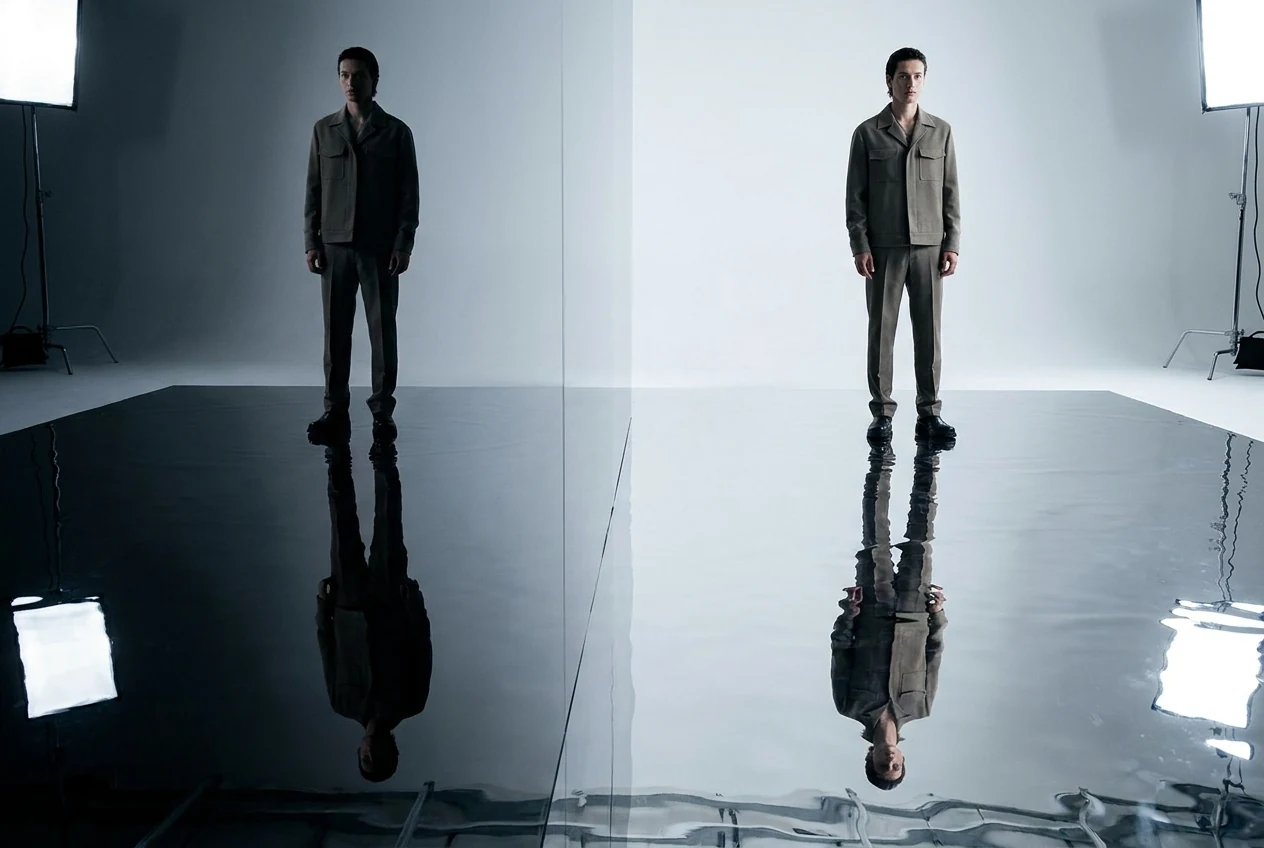
How to Make a Floor Reflection Look More Realistic
Reduce the reflection before trying to add more detail
If a reflection looks fake, the first fix is usually not more complexity. It is less. Pull it back before you try to improve it.
This is a useful rule because fake-looking reflections are often overbuilt. Making them smaller, softer, or lighter usually gets you closer to realism faster than adding extra processing.
Shorten, soften, and fade it until it supports the image instead of competing with it
Three changes solve a large share of realism problems: shortening the reflection, softening its detail, and fading it more naturally with distance. Together, these changes reduce that pasted-on look and help the reflection sit beneath the subject more quietly.
The reflection should support the composition, not become the entire point of it.
Match the tone and brightness of the reflection to the scene
A reflection should feel like it belongs to the same image conditions as the subject. If it is much darker, brighter, or more contrasty than the rest of the scene would suggest, the fake look becomes obvious.
The more the reflection matches the tonal logic of the frame, the more believable it becomes.
Clean the subject edges if the fake look is coming from the cutout, not the reflection itself
Sometimes the reflection is not the real problem. The real problem is weak edge quality in the subject. Rough masking, halos, leftover background fragments, or unclear lower edges can make any reflection look wrong.
That is why realism sometimes starts with edge cleanup instead of reflection adjustment.
How to Avoid the Most Common Fake-Looking Mistakes
Do not treat floor reflection like a perfect mirror copy
A realistic floor reflection is almost never a full-strength duplicate. If you approach it like a symmetrical mirror effect, it usually becomes too literal and too graphic.
The better approach is to think of it as a softer, partial echo of the subject.
Do not use reflection to rescue a weak composition
A reflection can improve a clean image, but it does not save a confusing one. If the subject already feels awkward, ungrounded, or poorly placed, reflection often adds one more thing to manage instead of solving the core issue.
Strong composition still has to come first.
Do not judge the effect only while zoomed in
A reflection may look technically neat at close view and still feel wrong in the full image. That is why realism has to be judged at normal viewing size too.
If the reflection looks impressive only when you zoom in, it may already be too much.
When a Subtle Reflection Works Better Than a Strong One
Portraits and fashion images that need grounding, not drama
In portraits and fashion images, the reflection often works best when it simply helps the subject feel placed in the frame. A strong, mirror-like reflection can pull too much attention away from pose, expression, styling, or silhouette.
A subtle grounding effect is usually more elegant.
Product photos that should feel polished rather than glossy for the sake of it
Product images often benefit from reflective base treatment, but premium-looking usually does not mean maximum reflection. In many cases, the cleaner choice is a restrained reflection that adds polish without shouting for attention.
That lighter approach often looks more expensive, not less.
Minimal images where less reflection often looks more premium
In sparse compositions, even a small reflection can do a lot. Because there is less visual clutter, the effect does not need to be strong to be noticed.
This is one of the clearest cases where less usually looks better.
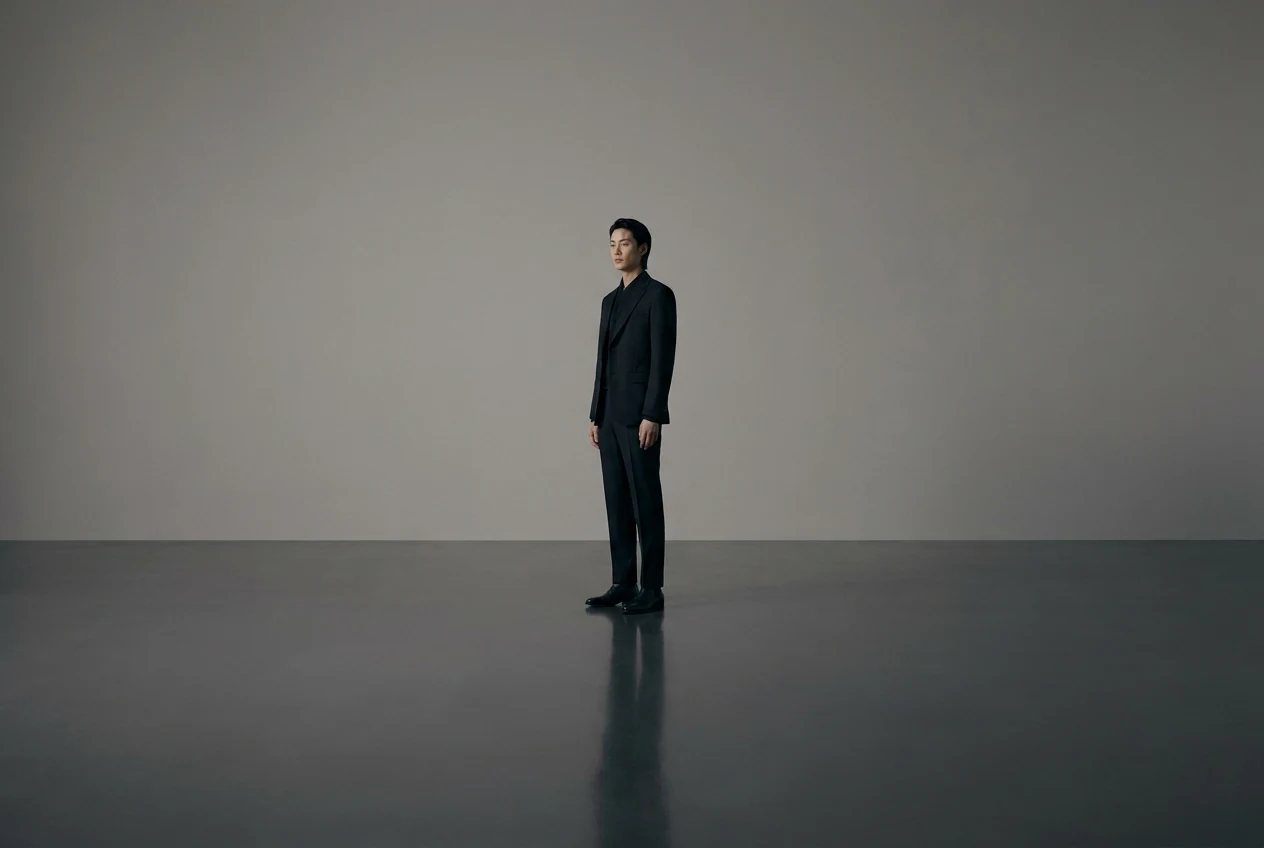
A Lighter Way to Finish the Reflection Cleanly
When the reflection logic is already working and the image only needs cleanup
Once the reflection already makes sense, the finishing stage should stay light. This is not the moment to rebuild the effect from scratch. It is the moment to clean distractions, smooth out rough transitions, and make the reflection feel more integrated.
That lighter approach usually produces a more believable final image.
A step-by-step Evoto workflow for cleaner floor reflections
If you want the shorter execution path behind that lighter cleanup approach, you can follow the same Evoto floor-reflection workflow shown in How to Create a Floor Reflection in Photoshop. The point here is not to force a reflection onto the wrong image. It is to work faster once the image already supports the effect.


Powerful AI Photo Editor
Step 1: Open the image
Start by opening the photo you want to edit. Before doing anything else, check whether the subject already feels grounded enough that a floor reflection can make sense.
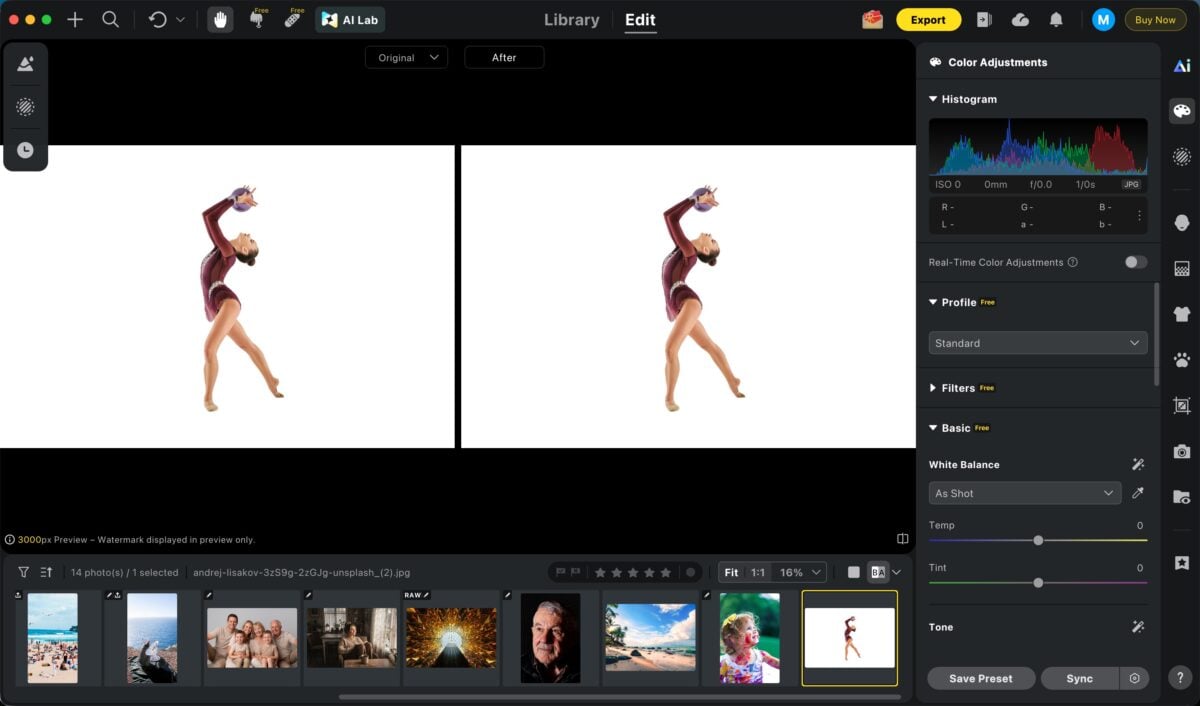
Step 2: Open the background replacement module and apply a background
Go into the background replacement module and apply a background that gives the subject a clean base to work from. This creates the controlled setup the reflection workflow depends on.
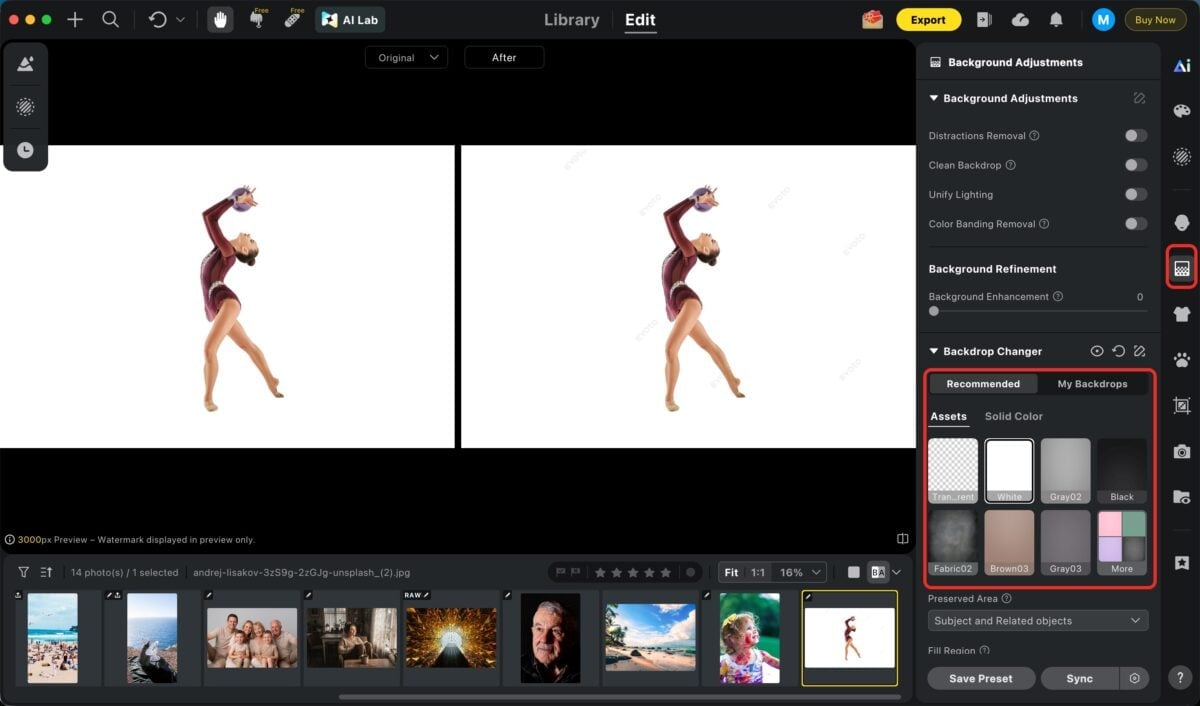
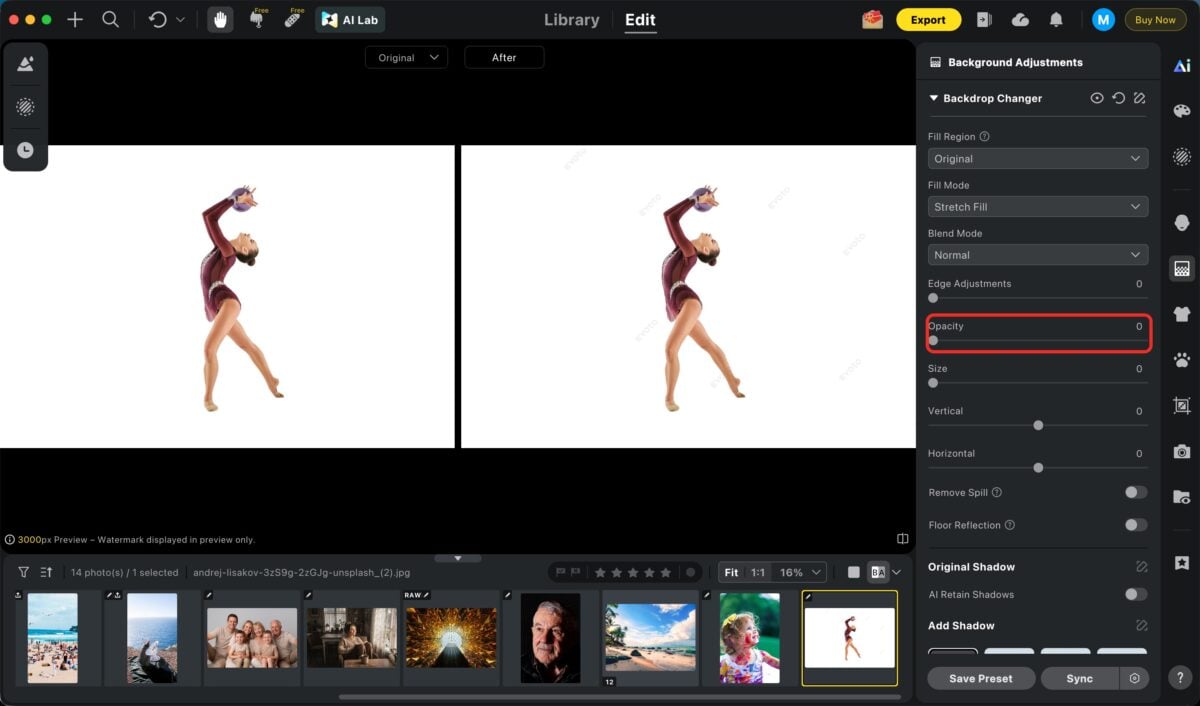
Step 3: Lower the background opacity to 0
Reduce the background opacity to 0 so the reflective floor effect can be built without leaving a visible replacement background behind.
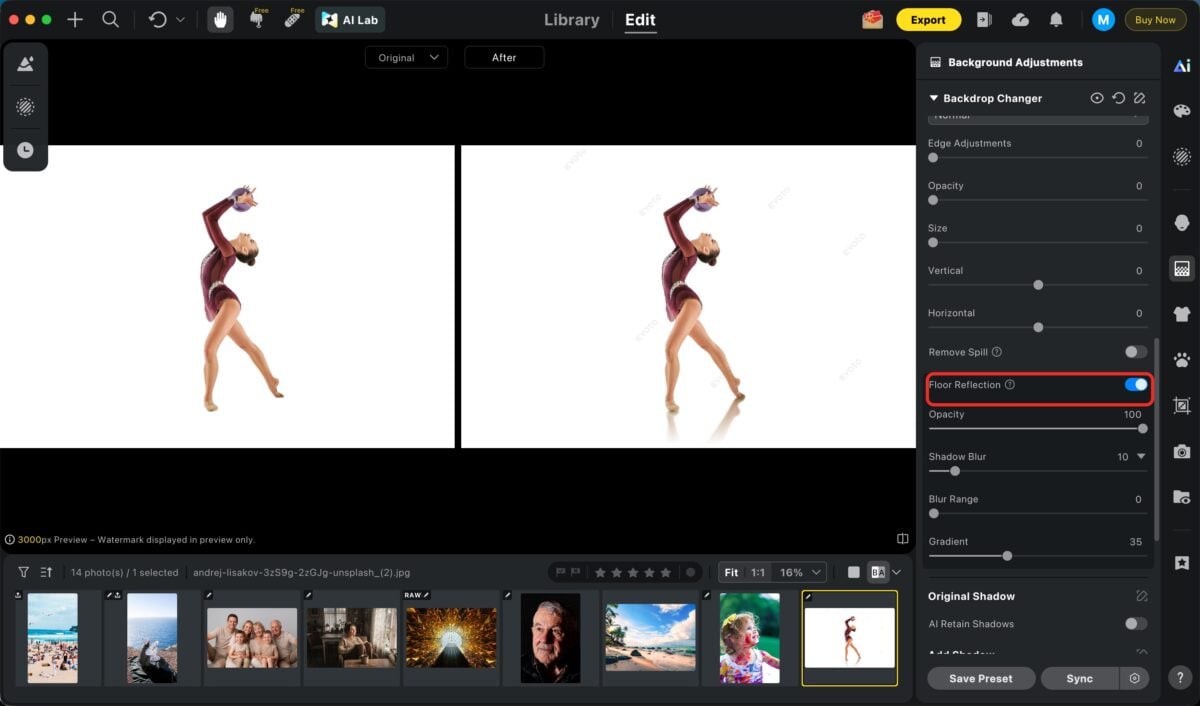
Step 4: Turn on floor reflection
Enable the floor reflection option. This gives you the reflected version of the subject without rebuilding it manually from duplicated layers.
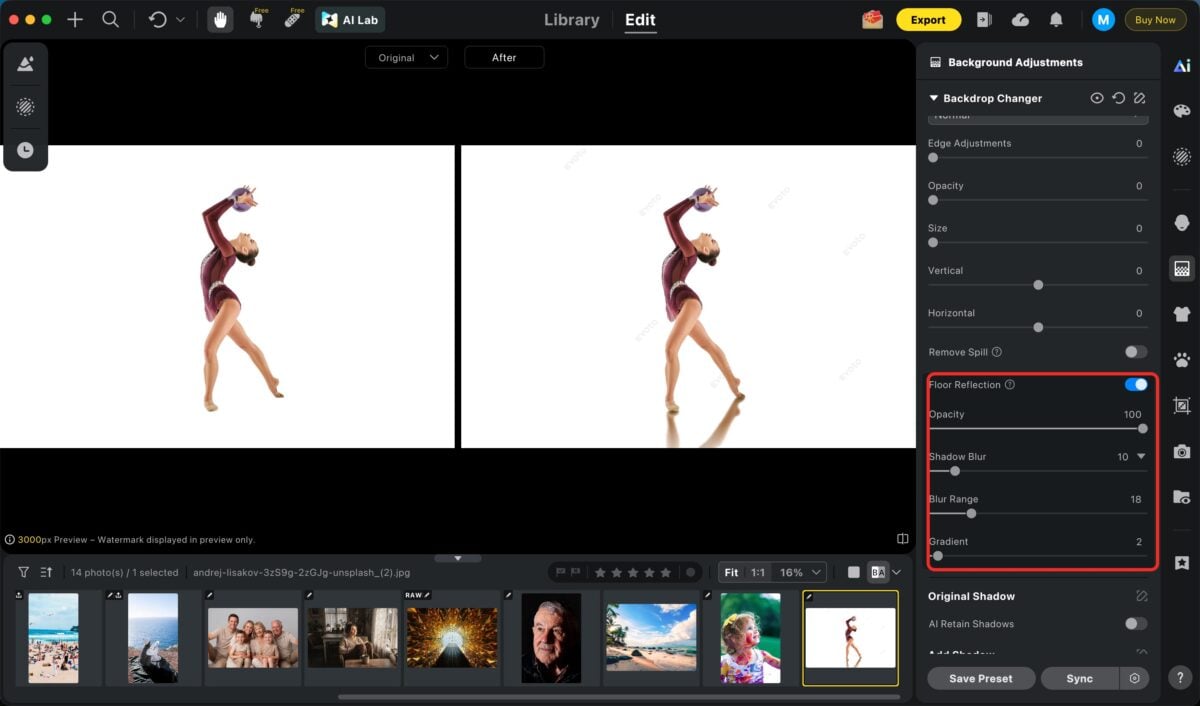
Step 5: Fine-tune the reflection
Adjust the reflection so it matches the image better. This is where you control how strong or soft the effect feels and make sure it does not overpower the subject.
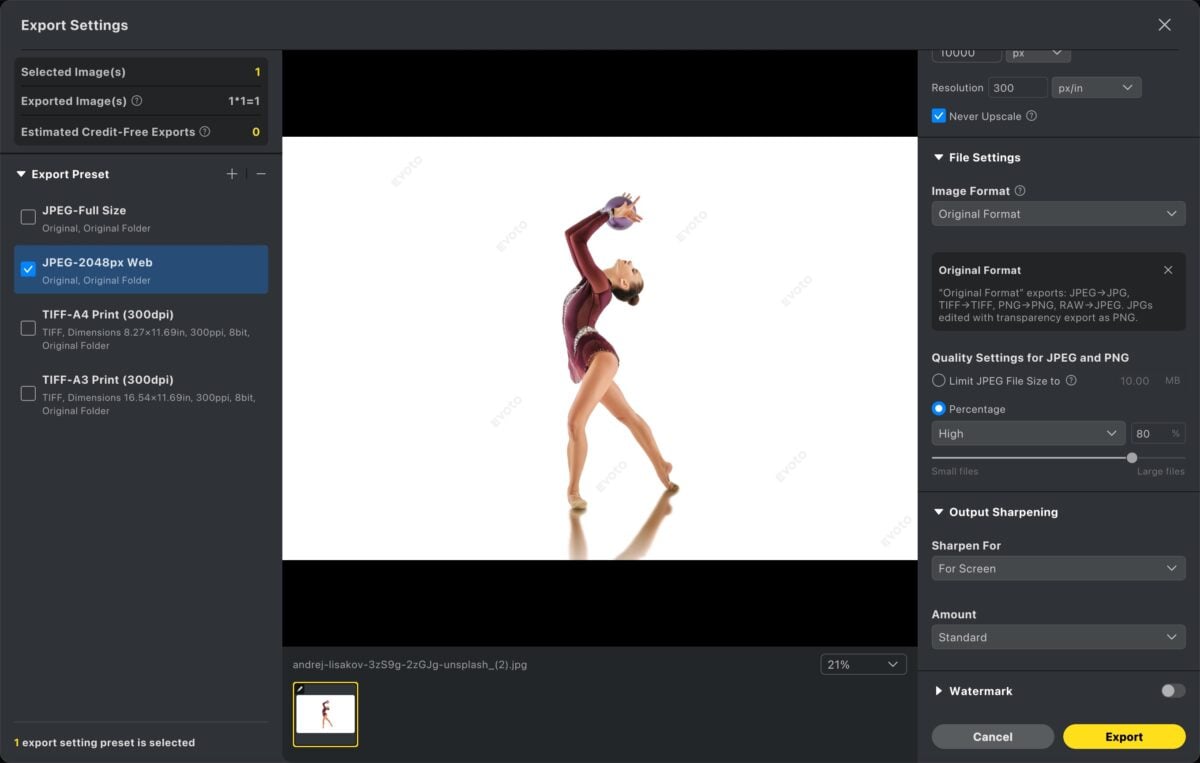
Step 6: Export the final image
Once the reflection looks right, export the image directly. If the reflection still announces itself before the subject, pull it back one more time before you save.
Final Thoughts
Realistic floor reflections usually feel quieter than people expect
Many fake-looking floor reflections fail because they try too hard to be seen. A realistic one usually does the opposite. It stays quieter, softer, and more supportive than most people initially expect.
That restraint is often what makes the effect work.
If the reflection is the first thing you notice, it is probably too much
This is the simplest realism test. If the reflection announces itself before the subject does, pull it back. A believable floor reflection should strengthen the image, not take it over.
In most cases, the cleaner and more realistic choice is the one that leaves the subject in control.
Try Evoto AI Photo Editor
Retouch photos with Evoto AI and make your photos best! Available on Windows, MacOS and iPadOS.