

Summer hands photographers so much good stuff: more light, more color, more movement, way more excuses to head outside and shoot.
But it brings plenty of headaches too. The sun sits high and harsh. Skin gets shiny. White clothes blow out completely. Sand and water blast glare right into your lens. Families overheat and lose patience fast. Beaches are packed. Travel scenes are messy. Golden hour glows for 10 minutes, then shifts before you can blink.
That’s why solid summer photography isn’t just a list of trendy props.
The best summer shots come down to four things: picking the right light, letting your subject act naturally, controlling color instead of letting it control you, and shooting scenes you can actually edit well later. This guide is full of real, usable ideas for portraits, travel, beaches, food, sports, nature, and night shots — no over-saturated, fake summer postcards here.
Start With the Light, Not the Location
Most summer photography mistakes start with the sun.
Long days mean more time to shoot, but not every hour works for every subject. Midday light is hard, direct, and unforgiving. It digs dark shadows under eyes, blows out skin highlights, and creates brutal contrast on clothes. That doesn’t mean you have to hide inside — it means you shoot the right things in that light.
Early morning is for clean landscapes, quiet empty beaches, calm city streets before crowds, and soft, gentle portraits. The air is usually clearer. Water catches sunrise colors. Sand, grass, and pavement are cooler. People just look more relaxed before the heat kicks in.
Midday is for subjects that love shape and contrast: architecture, pool reflections, sharp graphic shadows, bright colorful walls, umbrellas, surfboards, street scenes, and small abstract details. It’s not the most flattering time for soft portraits, but it’s amazing for bold, strong compositions.
Late afternoon and golden hour are your go-to for portraits, family sessions, travel stories, silhouettes, and laid-back lifestyle scenes. Lower sun means longer shadows, warmer tones, and light with direction. If you’re building a client gallery, this is where your most reliable, loved shots will come from.

Summer photography gets way simpler when you stop asking: “What should I shoot today?”
Ask the better question: “What does this light do best?”
Build a Beach Story, Not Just a Beach Photo
Beach shots are the most classic summer idea — and the easiest to make generic. A strong beach image needs more than sand, water, and sky. It needs a subject, a point of view, and a clean frame.
Start with the horizon. If it’s tilted, the whole photo feels lazy. If it cuts through someone’s head, neck, or shoulder, the portrait feels off even if the expression is perfect. Move up, down, left, right — until the horizon supports your subject, not slices through them.
Then look for texture. Footprints, shells, towels, umbrellas, rocks, shallow water, wet sand, wave foam — these little details pull viewers into the moment. A wide lens emphasizes foreground texture. A longer lens compresses waves, people, and beach patterns into a tight, clean graphic frame.
For beach portraits, keep people out of direct squinting sun when you can. Put them in open shade, shoot them into backlight, or wait until the sun is lower. If your background is bright, watch your exposure closely so faces don’t turn too dark.

Easy, real beach ideas:
- someone walking through shallow water at sunrise
- sandals, a towel, and a book styled as a quiet lifestyle detail
- kids running along the water’s edge, frozen with a fast shutter
- a surfer carrying their board in soft morning light
- footprints leading straight toward the ocean
- a clean silhouette against a bright sunset
- umbrellas or towels shot from above as color blocks
- wave foam patterns photographed low to the ground
The best beach photos feel like a real, lived moment — not a stock background.
Summer Portraits: Light, Skin, and Mood Done Right
Summer portraits look effortless when the light is gentle.
They look harsh and messy when light is out of control.
The easiest, most reliable method: put your subject in shade, and let the bright surroundings act as a natural reflector. White sidewalks, pale walls, sand, or light ground bounce soft, clean light back onto faces. Doorways, trees, porches, umbrellas, and beach tents all make great shade.
For warmer tones, shoot closer to golden hour. Turn your subject slightly away from the sun so they don’t squint. Use backlight carefully — a sun rim on hair feels summery, but too much flare kills contrast and muddies faces.
Give your subject small, natural actions instead of stiff poses:
- “Walk toward me and look just past my shoulder.”
- “Hold your hat down like the wind is blowing it.”
- “Turn your face into the shade, not the sun.”
- “Take one step, pause, then look back.”
- “Keep your hands busy with a towel, sunglasses, drink, or book.”
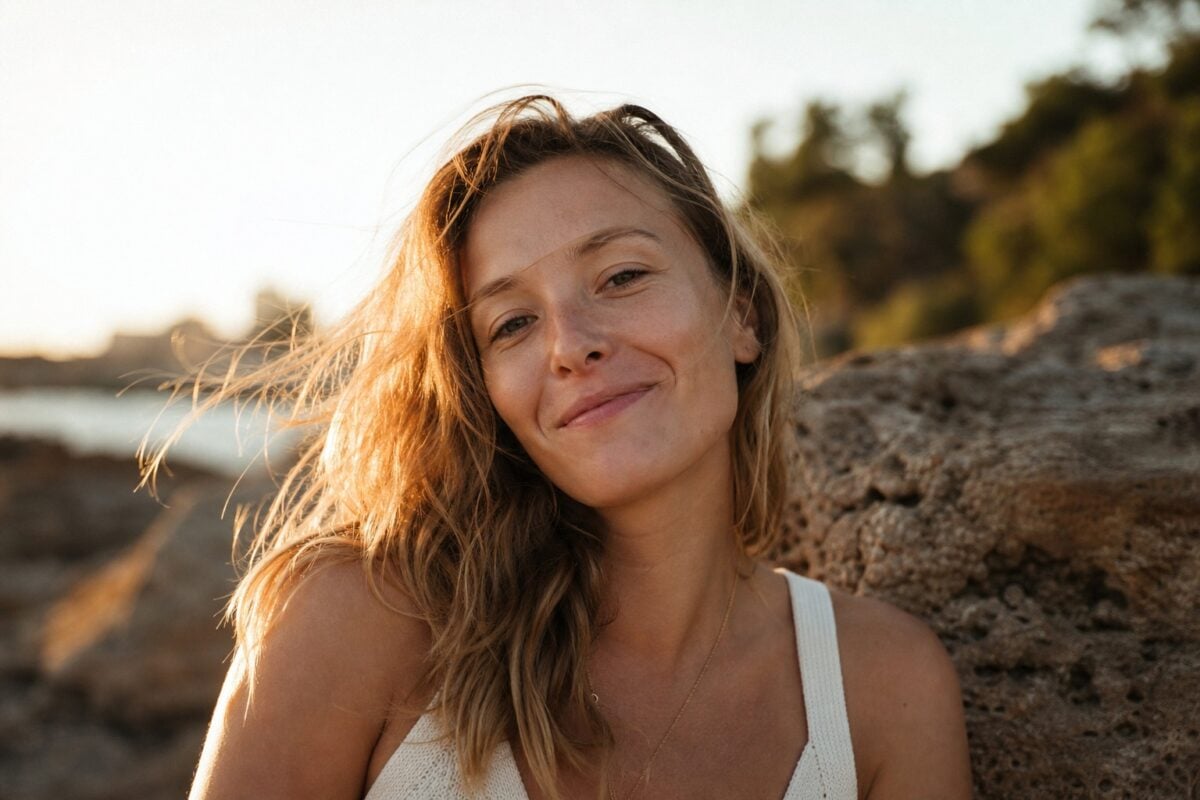
Props help, but they shouldn’t take over the photo.
Sunglasses, hats, towels, surfboards, flowers, ice cream, picnic blankets, and umbrellas work when they support the person’s movement or story. They weaken the shot when they feel thrown in just to say “it’s summer.”
For client work, lock in the safe shots first: clean headshots, half-body portraits, walking frames, environmental shots. Then move into bold silhouettes, flare, motion, or playful props — once you know you have the reliable images you need to deliver.
Turn Harsh Midday Sun Into Strong Compositions
A lot of photographers avoid midday summer light because it’s tough. Fair — if you’re going for soft, gentle portraits.
But harsh, direct light is incredible when you’re shooting shape, color, lines, and shadows.
Cities are perfect for this. Buildings, stairs, bridges, fences, walls, and street corners create bold shadow patterns. A deep blue sky makes architecture look crisp. Bright summer colors pop against simple backgrounds — as long as your frame isn’t too busy.
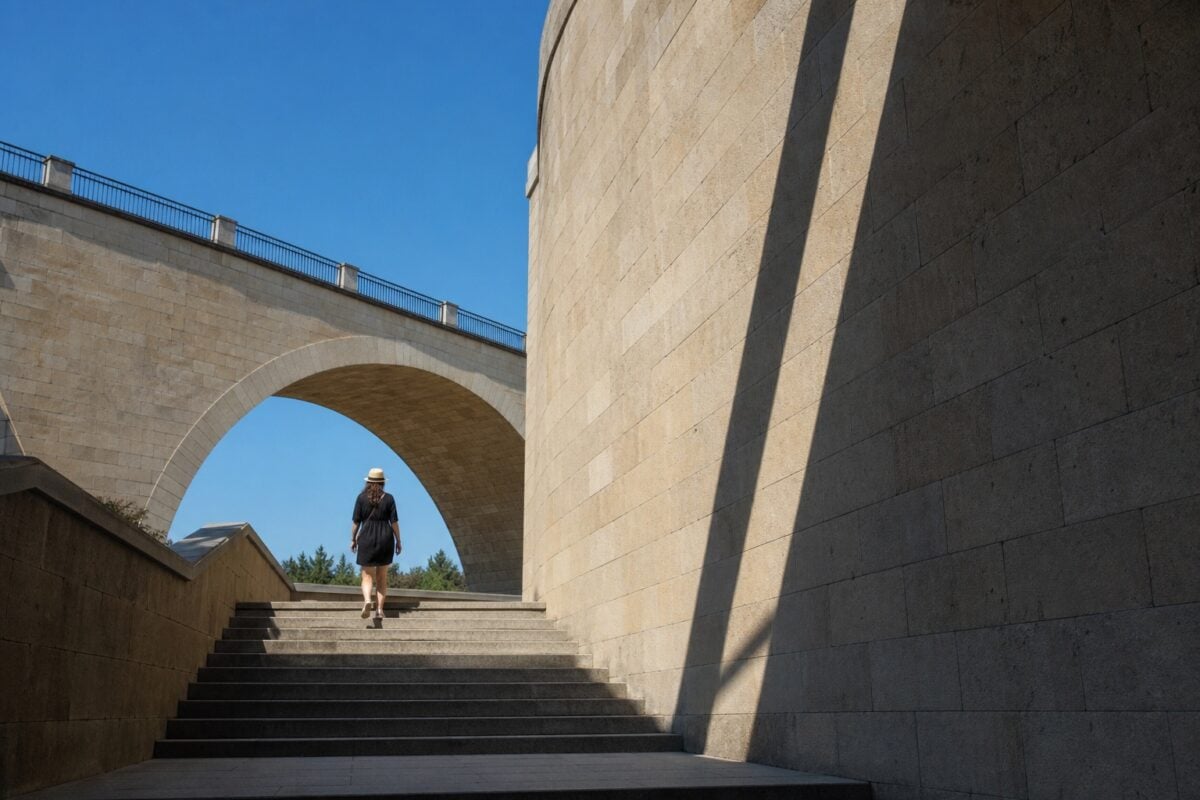
Look for:
- shadows stretching across walls or pavement
- clean color contrast: blue and yellow, red and green
- sharp-edged silhouettes under umbrellas or awnings
- reflections in glass, pools, sunglasses, or car windows
- repeating shapes: balconies, railings, chairs, beach umbrellas
- people walking through a strong patch of sunlight
Simplicity matters here. Harsh light already creates high contrast. If you cram too many elements into the frame, it turns chaotic. Simplify to one subject, one shadow pattern, or one color relationship.
Midday light isn’t bad light. It’s specific light.
Use it for subjects that can handle contrast.
Shoot Water With a Clear Shutter-Speed Plan
Water is everywhere in summer photography: beaches, pools, sprinklers, lakes, rivers, fountains, summer storms, drinks with condensation.
Before you shoot water, decide what you want your shutter to do.
Fast shutter speed freezes splashes, sports, waves, dives, jumps, running, and water droplets. Use it when you want energy and sharp detail: kids in sprinklers, swimmers breaking the surface, surfers, paddle-boarders, beach volleyball, pouring a drink.
Slower shutter speed turns water into motion. Use it for waves, waterfalls, rivers, and evening seascapes when you want soft, atmospheric blur. Use a tripod if your exposure is long enough to get camera shake.
Reflections need a different approach. Pools, wet pavement, sunglasses, windows, and still water make strong compositions when the reflection is clean. Move your feet until the reflection supports your subject. If glare is too strong, a polarizing filter cuts reflections and deepens color — especially around water and blue sky.
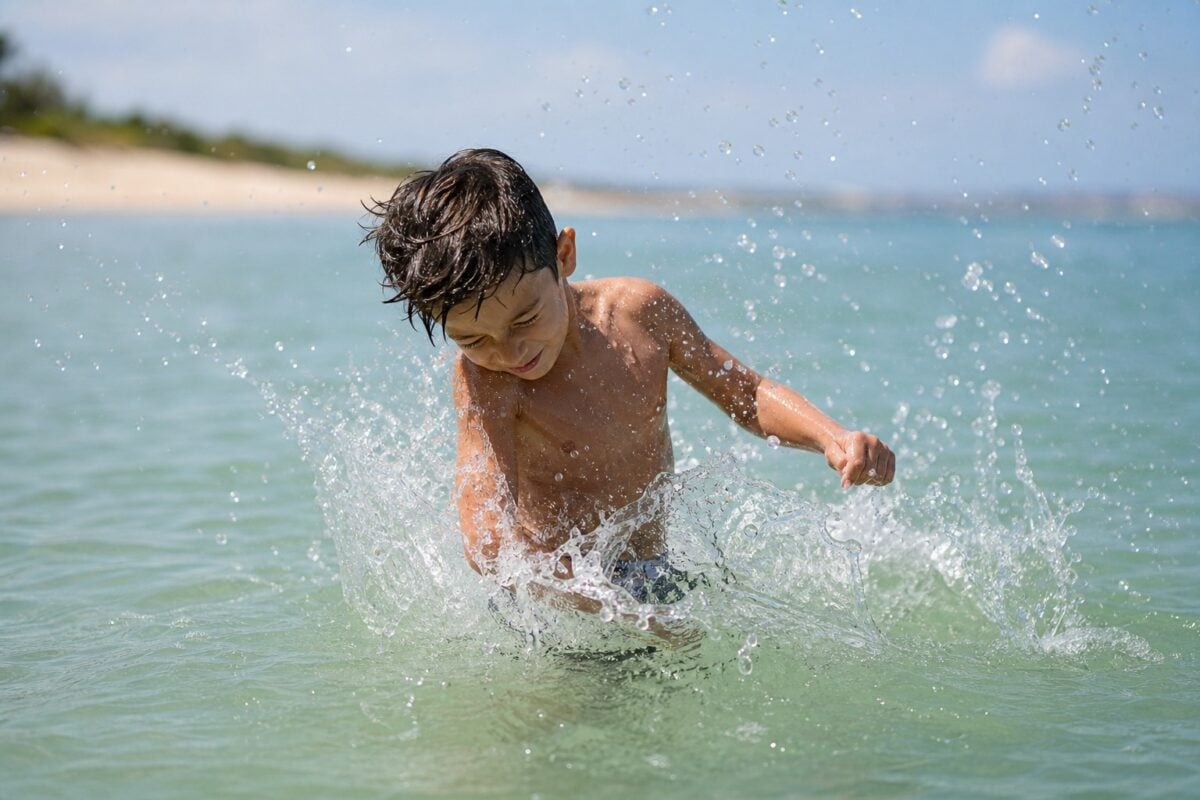
Water can ruin edits fast too.
Highlights blow out quickly. Blues turn neon cyan. Skin picks up green or blue from pools and shade. Sand and wet surfaces add weird color casts.
Shoot RAW if you can — it gives you room to fix white balance and highlights later.
Use Color — Don’t Let It Take Over
Summer is bursting with color.
That’s amazing — and dangerous. Beach towels, flowers, swimsuits, fruit, drinks, festival lights, painted walls, sunsets, blue ocean — they all make a photo feel instantly summery. But too many bright, saturated colors overpower your subject. Viewers notice the palette before they notice the story.
Stick to one main color relationship per frame:
- Blue water + warm skin
- Yellow umbrella + blue sky
- Red fruit + neutral table
- Green leaves + white dress
- Orange sunset + dark silhouette
When your color idea is clear, the photo feels intentional. When every color screams, it feels messy and chaotic.
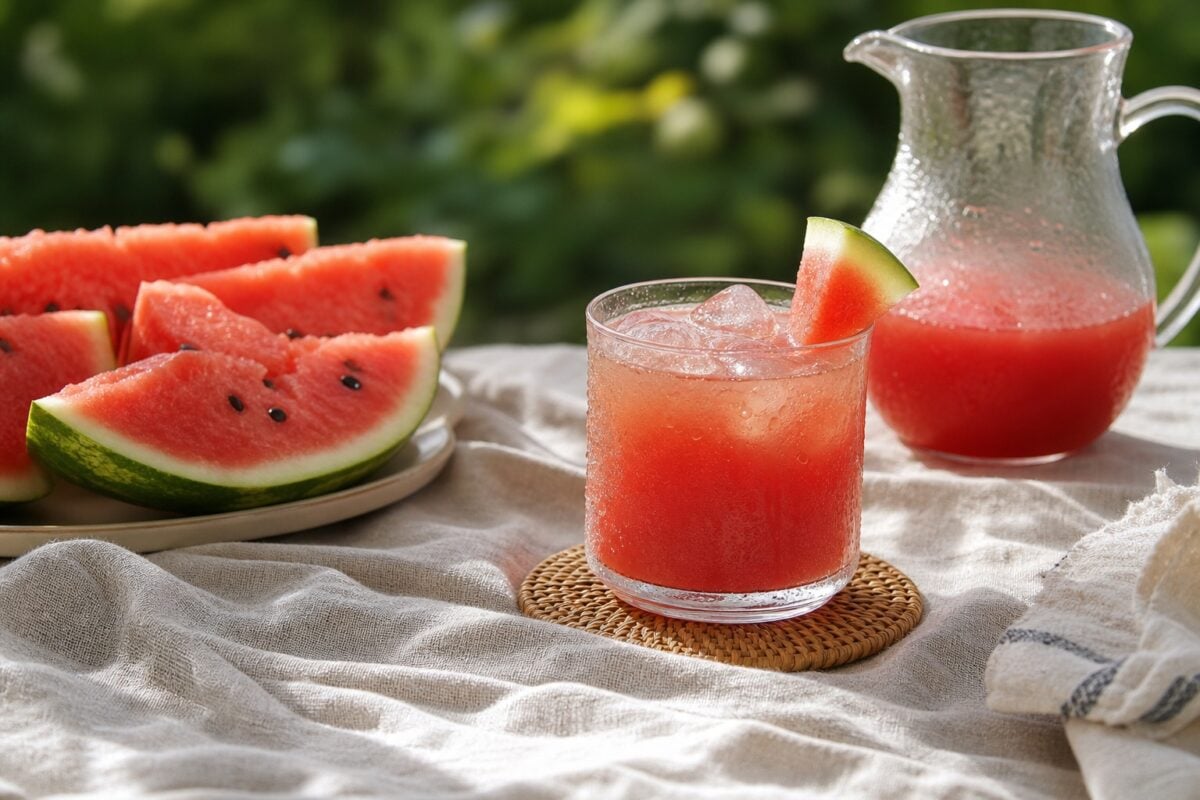
Food and drink are great summer subjects because you can practice color control without chasing fast motion. Try condensation on a glass, melting ice cream, watermelon, citrus, picnic food, or a cold drink in side light. A little mess is good — summer doesn’t have to look perfect and sterile.
Just keep the background quiet.
Your subject should still be the star.
Capture Summer Action Without Blasting Through Your Memory Card
Summer is full of movement: surfing, skating, swimming, biking, hiking, festivals, running kids, playing dogs, people jumping into water, friends moving through evening cities.
Action shots need preparation, not just luck.
Pick your background before the peak moment happens. If the background is cluttered, even a great action shot feels weak. Then pick your shutter speed: fast for sharp freeze-frame action, slower for smooth panning, expose for the bright background for silhouettes.
Burst mode helps, but it doesn’t replace good timing.
Watch the rhythm. A skateboarder has takeoff, peak, landing. A swimmer has breath and splash. A kid jumping into a pool has one clean, strong body shape. Festival crowds have repeated gestures.
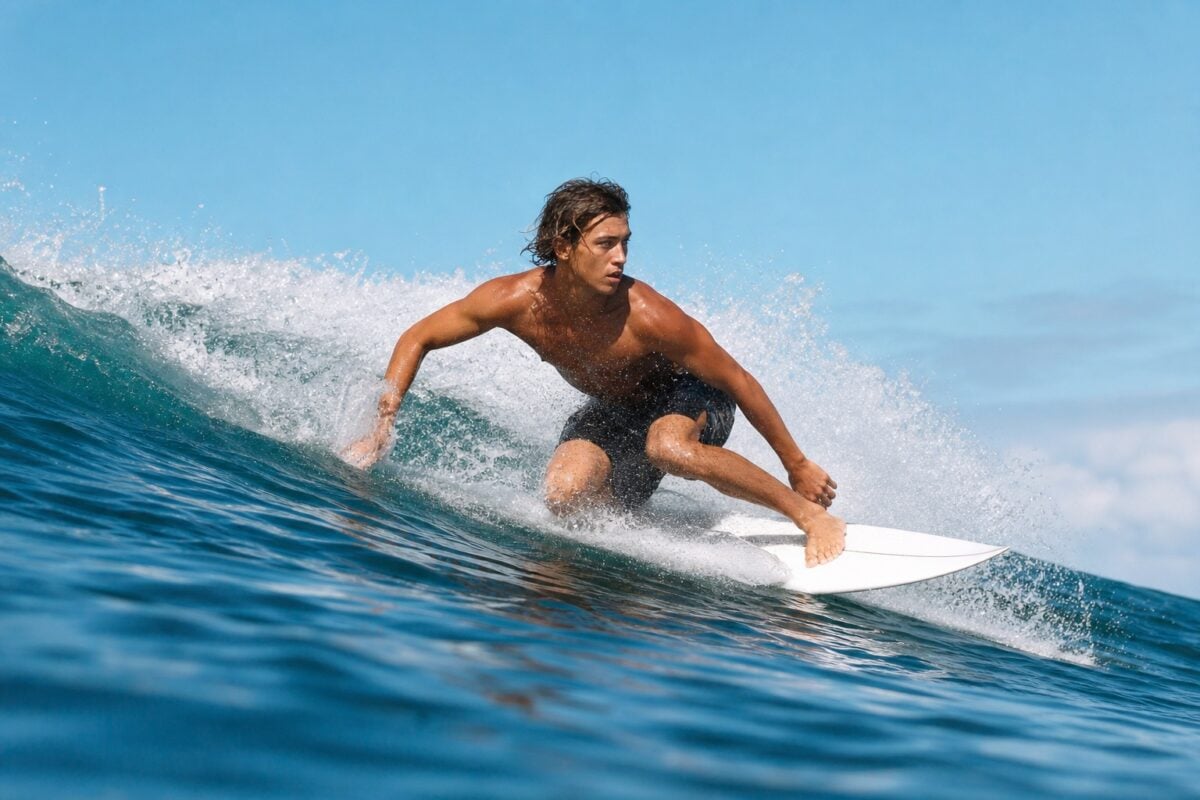
Shoot enough to catch the moment — not so many that your editing becomes a nightmare.
For working photographers, the real cost of action isn’t taking the photos. It’s culling them. Every long burst means hundreds of decisions later.
Look for Small Summer Details
Not every summer photo has to be wide, bright, and busy.
Small, quiet details often capture the feeling of summer better than big, obvious scenes.
Try close-ups: water drops on leaves, sunscreen on a towel, sand stuck to feet, condensation on a bottle, hands holding fruit, wildflowers, sunglasses reflecting the beach, mosquito netting at dusk, a paperback on a picnic blanket.
Macro and detail shots add rhythm to your gallery. They fill the space between big moments. A travel set with only wide landscapes feels repetitive. A family beach gallery with only faces misses the mood. Details create pauses.
Use shallow depth of field if the background is messy. Use side light to show texture. Check your edges — close-ups make small distractions way more obvious.

Detail shots work perfectly for social layouts, blog covers, thumbnails, and brand stories.
They give summer texture, not just a location.
Stay Out After Sunset
Summer doesn’t end when the sun goes down.
Blue hour, fireflies, festivals, outdoor dinners, string lights, campfires, fireworks, night markets — they all extend your story. Light is low, so you have to adjust your technique.
Use a tripod for landscapes, night skies, light trails, fireworks, and fireflies. Lift ISO carefully for handheld street and festival shots. Look for natural light that shapes faces: food stalls, lanterns, storefronts, candles, signs, stage lights.
Summer night photos work best with one clear anchor:
- A person under string lights
- A tent under stars
- A silhouette near a campfire
- A food stall in a night market
- Fireflies over a dark field
- Fireworks above a clean skyline
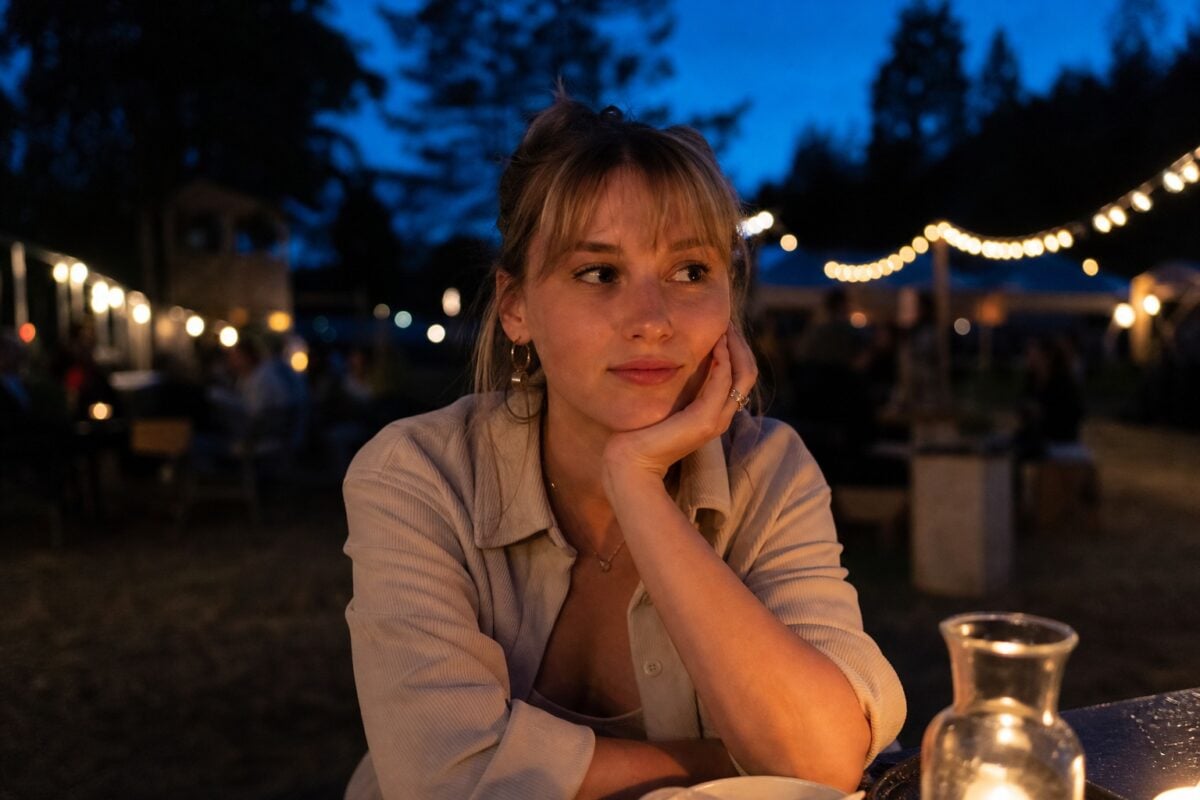
Don’t try to show everything. Night photos get stronger when viewers know exactly where to look first.
Build a Summer Photo Story
One strong photo is great. A full summer story is better.
If you’re shooting a beach day, family picnic, weekend trip, festival, or camping trip, shoot in layers:
- Wide shots to set the scene
- Medium shots to show people interacting
- Close details to capture texture
- Action shots to show energy
- Quiet, calm shots to create pause
- Ending shots at sunset, blue hour, or when the day slows down
This keeps your set from feeling like random summer snapshots.
It also makes delivery easier. Client galleries, blog posts, social carousels, and brand stories need variety. If every photo is the same distance, same light, same size, the set feels thin — even if every single image is good.
Summer gives you plenty of material. Your job is to organize it.
Edit Summer Photos Without Ruining Them
Summer editing goes wrong fast. Warmth turns orange. Blue water turns neon. Skin gets too red. Greens look heavy. Sunsets look fake. Shadows get lifted until the image loses all contrast. Whole galleries start looking like a cheap filter, not real moments.
Start with white balance and exposure. If you shot in shade, check that skin isn’t too cool or green. If you shot golden hour, keep warmth but protect natural skin tones. Evoto’s Camera RAW Editor helps build a clean baseline before you push creative color too far.
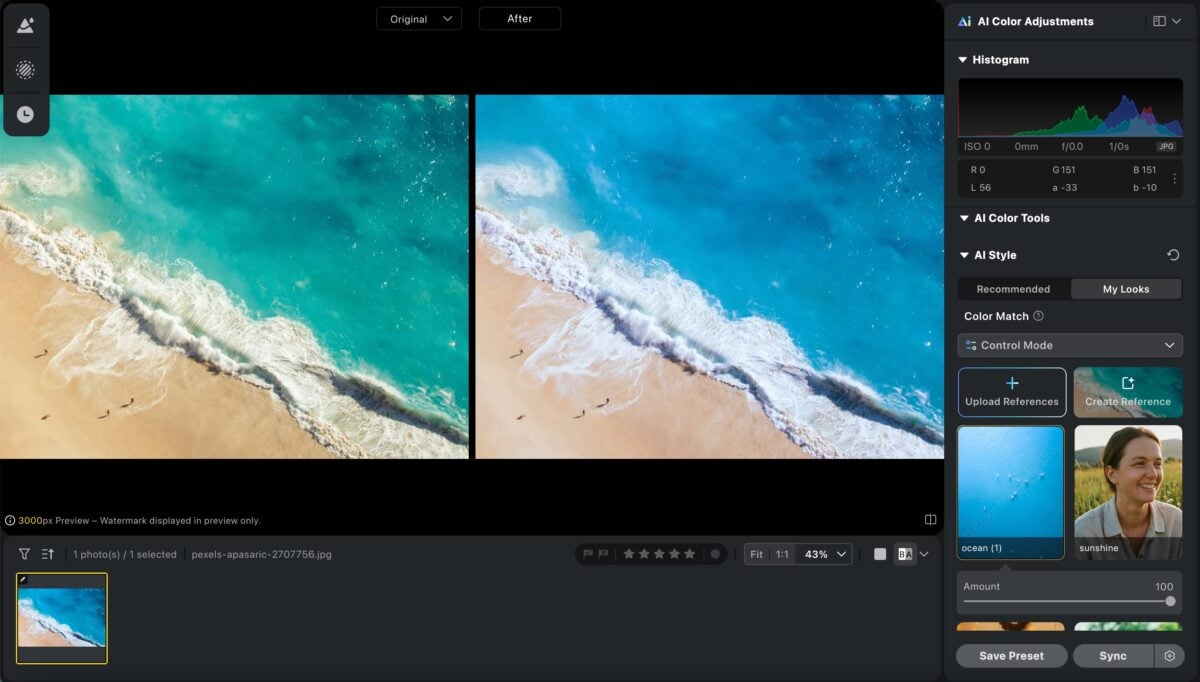
Then match color across your set. Summer sessions mix shade, sun, water reflections, golden hour, and blue hour. Evoto’s AI Color Match keeps your selected images consistent across different lighting.
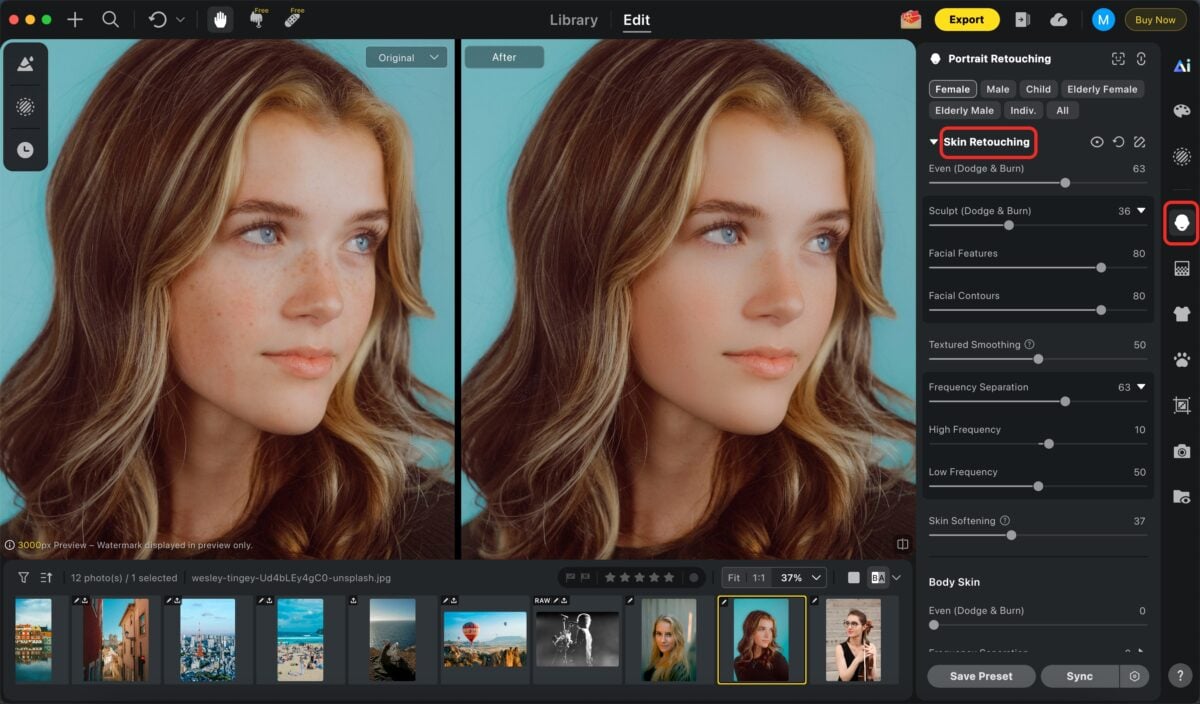
For portrait sets, protect faces first. Sun, sweat, sunscreen, heat, and reflections make skin shiny, red, or uneven. Use Evoto’s Portrait Retouching after you lock exposure and color — so the final portrait still looks like real summer skin, not plastic.
Then clean small distractions. Sand, trash, background people, edge junk, random signs, water spots — they weaken good frames. Evoto’s AI Object Remover is perfect for light, quick cleanup when your composition already works.
For big sets, set a consistent baseline before manual tweaks. Evoto’s Batch Edits keep repeated summer scenes aligned — ideal for family sessions, travel sets, events, and branded lifestyle work.
The goal isn’t to make summer look louder. It’s to make it look clean, warm, believable, and consistent.
Summer Photography Checklist
Before you shoot:
- What does this light do best right now?
- Is this a portrait, action, detail, landscape, or story frame?
- Should the subject be in shade, backlight, direct sun, or silhouette?
- Is the background clean?
- Is the horizon straight?
- Are people squinting?
- Are skin, water, or white clothes blowing out?
- Does my color palette have one clear idea?
- Is my shutter speed right for the motion?
- Do I need a polarizer, reflector, tripod, or lens cloth?
Before you export:
- Does skin still look natural?
- Do blues, greens, and sunsets look believable?
- Is the set consistent across different light?
- Are small distractions pulling focus?
- Did sharpening make sand, skin, or water look too harsh?
- Do I have the best action frames — or is the gallery repetitive?
- Does the final sequence tell a real summer story?
Final Thoughts
The best summer photography isn’t just about what you shoot. It’s about how you handle summer’s unique conditions.
Use soft light for portraits. Use hard light for shadows and structure. Build beach shots around clean horizons and texture. Choose a clear shutter speed for water. Let color support your subject, not overpower it. Stay out after sunset to keep the story going. Edit with restraint so warmth, skin, water, and color still feel real.
Summer gives you more hours to shoot. Strong photographers use those hours on purpose.
Try Evoto AI Photo Editor
Retouch photos with Evoto AI and make your photos best! Available on Windows, MacOS and iPadOS.