
Introduction to Portrait Photography
Portrait photography is more than just pointing a camera at someone’s face. At its best, it captures personality, emotion, and story in a single frame. Whether you’re shooting for a professional headshot, a family album, or a fine art gallery, portraits come in many forms—and each one requires a slightly different approach.
In this guide, we’ll break down the most important types of portraits and portrait shots, show you how they’re used, and share shooting and editing tips to help you elevate your work.
1. Traditional Portraits
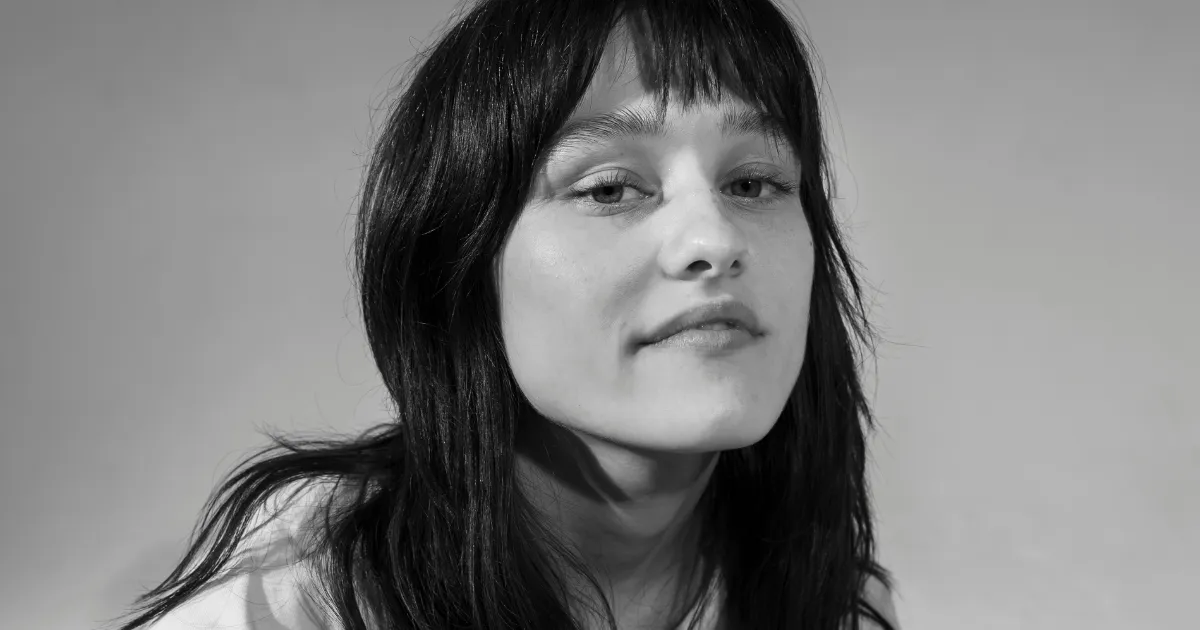
When most people hear “portrait,” they imagine the classic setup: the subject posed, well-lit, and centered against a simple background. Traditional portraits are timeless because they put the focus entirely on the person.
Shooting Tip: Pay attention to posture and expression. Small adjustments to chin position or eye direction can completely change the mood.
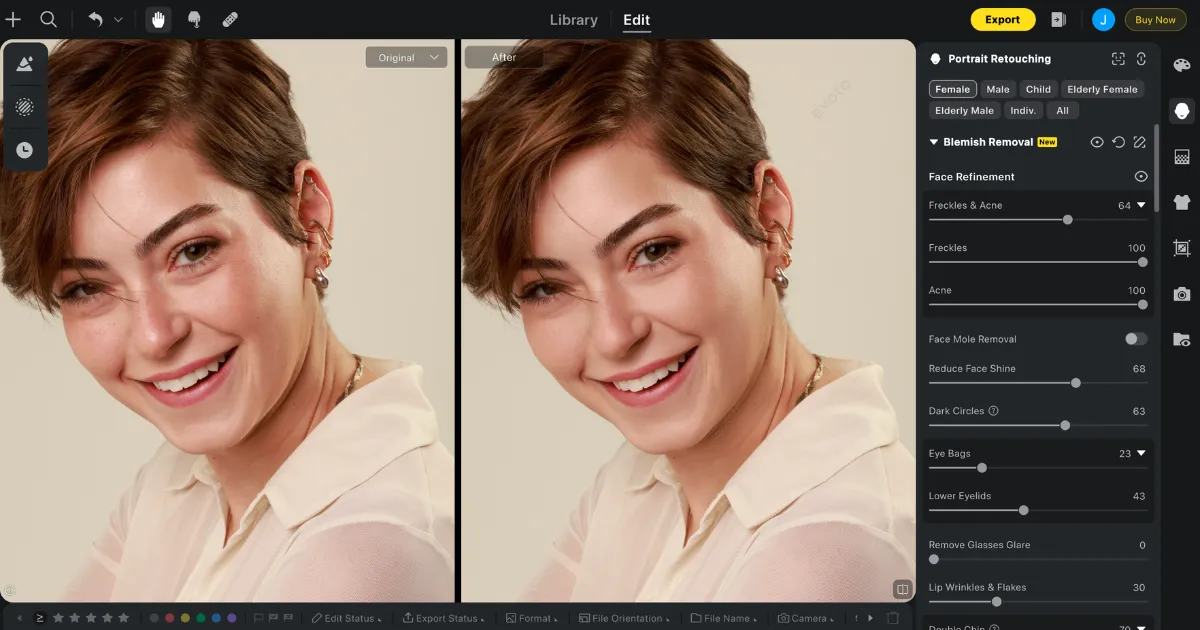
Editing Tip: Retouching is key here. Clean skin, even tones, and balanced lighting make a traditional portrait feel polished. With tools like Evoto, you can smooth skin, correct color tones, and refine details without over-editing.


Powerful AI Photo Editor
2. Environmental Portraits
Unlike traditional portraits, environmental portraits place the subject in a setting that tells part of their story—an artist in their studio, a chef in their kitchen, or a traveler in the streets of Tokyo. The background becomes just as important as the subject.
Shooting Tip: Scout a location that feels authentic to the subject. Use a slightly wider lens to capture the surroundings without overwhelming the person.
Editing Tip: Balance is everything. Keep your subject sharp while subtly enhancing the background. A selective adjustment brush or AI masking (Evoto does this automatically) can help direct the viewer’s eye where it matters.

3. Lifestyle Portraits
Lifestyle portraits aim to capture people in natural, everyday moments—laughing with friends, walking through a park, or sipping coffee at home. They feel casual and authentic, often resembling candid shots but with more intention.
Shooting Tip: Give light direction, then step back. Instead of “pose like this,” try prompts like “tell me a funny story” or “walk toward me slowly.” The result is movement and genuine emotion.
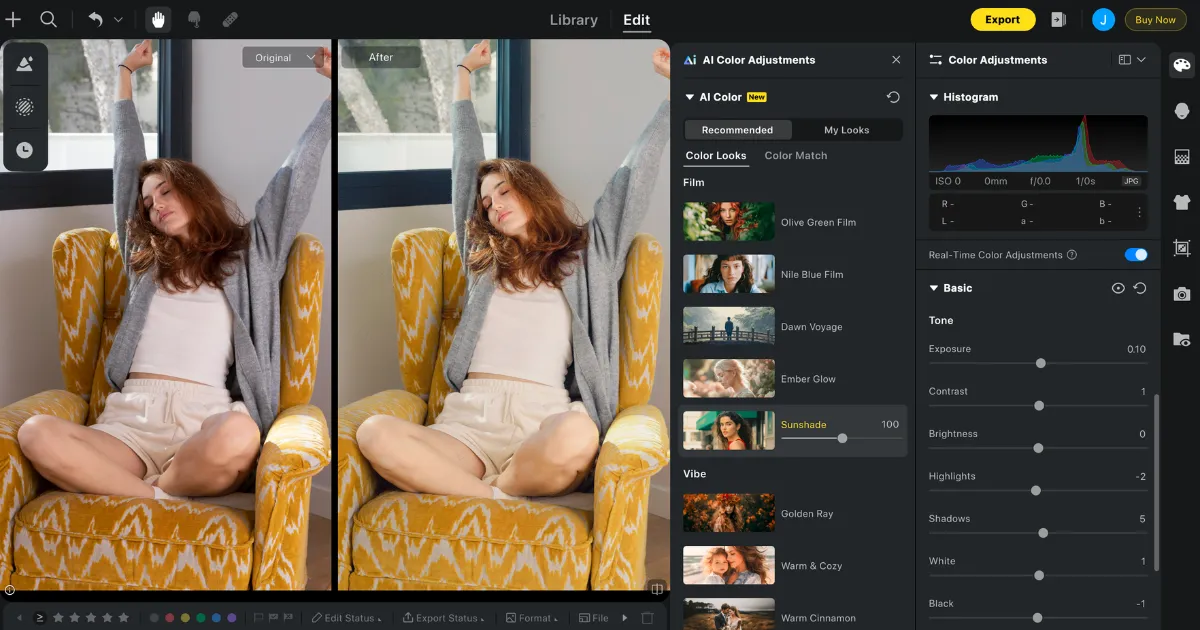
Editing Tip: Keep colors warm and natural. A light film-like grade can add personality. Batch editing in Evoto makes it easy to apply a consistent look across a full set, which is great for lifestyle sessions.
4. Candid & Group Portraits
Candid portraits capture unposed, fleeting expressions—like laughter, surprise, or deep thought. Group portraits, on the other hand, require balancing multiple subjects in one frame.
Both types are challenging because you often don’t get a second chance. That’s why post-processing becomes your safety net: you can fix small distractions, adjust lighting inconsistencies, and even subtly reframe to emphasize connection.
5. Fine Art, Fashion, and Conceptual Portraits
These categories lean more toward creative expression than everyday use. Fine art portraits may use dramatic lighting and painterly edits, fashion portraits highlight style and glamour, while conceptual portraits often use props or surreal effects.
They’re less common for everyday photographers, but they’re powerful when you want to make a statement. Editing flexibility is key here—experiment with shadows, color grading, or even digital composites to push your vision further.
6. Types of Portrait Shots (Framing & Composition)
Apart from the style, portraits are also categorized by how they’re framed:
- Close-Up / Headshot: Perfect for LinkedIn profiles, actor portfolios, or anytime detail and clarity matter most.
- Bust or Half-Body: A natural balance that shows more personality while keeping focus on the face.
- Three-Quarter & Full-Length: Often used in fashion, lifestyle, or environmental portraits where the subject’s body language and clothing add context.
Editing Tip: Crop carefully. Don’t cut off joints (like elbows or knees) awkwardly, and use editing tools to subtly center your subject if the framing feels off.
7. Choosing the Right Portrait Type for Your Subject
The best portrait type depends on the purpose. A corporate executive will need a professional headshot. A family might prefer lifestyle photos. An artist may lean toward an environmental portrait.
As a photographer, your job is to match the portrait type to the subject’s personality and goals—and then bring it to life with strong editing.
8. Tips for Better Portrait Photography
- Lighting First: Natural window light is flattering, but learn to control shadows with reflectors or softboxes.
- Connection Over Perfection: A relaxed subject makes a stronger portrait than a technically flawless but stiff one.
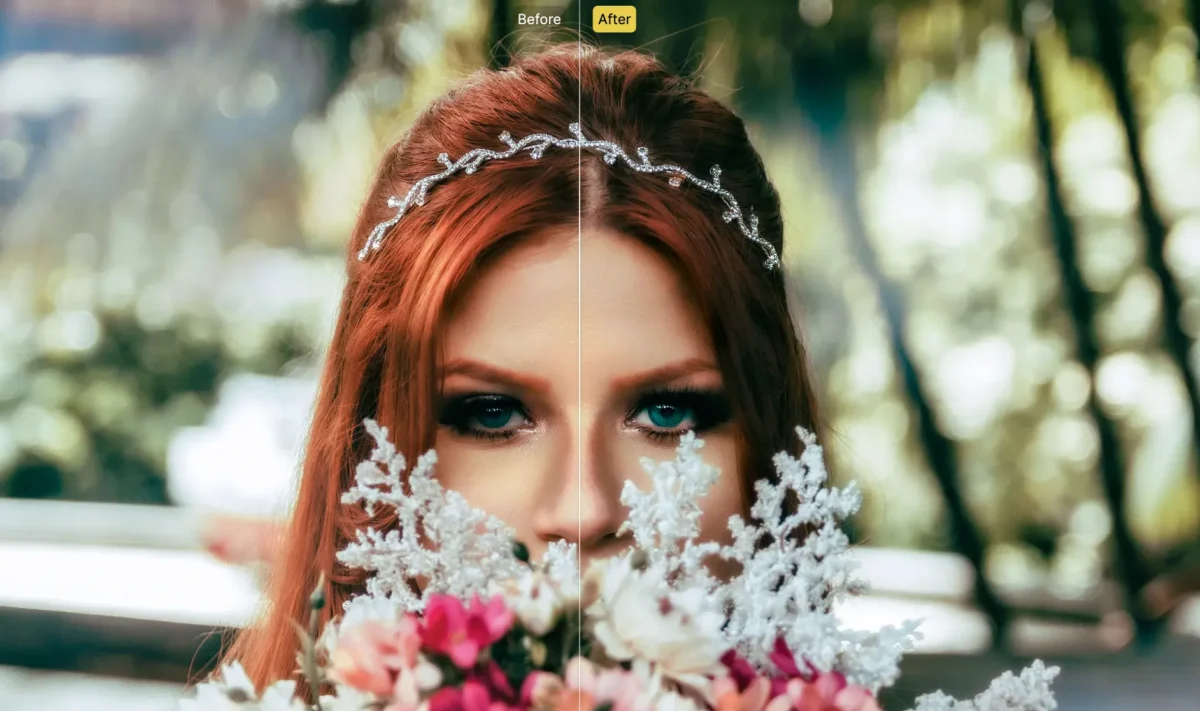
- Edit with Restraint: Smooth skin and brighten eyes, but keep natural texture. Over-editing can make portraits look fake.
This is where Evoto really shines—it speeds up repetitive edits (skin retouching, exposure balancing, batch grading) while letting you focus on creativity.
9. Editing Portraits with Evoto
Whether you’re working on a single headshot or a gallery of lifestyle portraits, editing can make or break your results. Evoto was built with portrait photographers in mind:
- Skin Retouching: Smooth without losing natural texture.
- AI Masking: Automatically detect face, hair, background for precise adjustments.
- Batch Editing: Apply consistent looks across hundreds of photos in minutes.
- Color Grading: Match tones to your style—warm and cozy, bold and vibrant, or subtle and timeless.
Instead of spending hours in Photoshop, you can deliver polished portraits faster while keeping your unique style intact.
Conclusion
Portrait photography is incredibly diverse. From timeless traditional shots to expressive lifestyle captures, every type of portrait has its place. The key is knowing your subject, choosing the right style, and editing in a way that enhances without distracting.
Mastering portraits isn’t just about technique—it’s about storytelling. And with the right shooting mindset and smart editing tools like Evoto, you can bring out the best in every subject.