
Wedding photographers do not just need good image quality. The best camera for wedding photography has to keep working when the light drops, autofocus has to stay reliable under pressure, dual card slots need to protect the job, and the body has to survive long hours without turning into a liability.
That is why this guide starts with buying criteria before introduce best cameras for wedding Photography. Instead of throwing out a long list of bodies, it breaks down what matters most for real wedding work, then matches a short list of cameras to different needs, budgets, and shooting styles.
What Actually Matters in a Wedding Camera
Low-light reliability and autofocus consistency
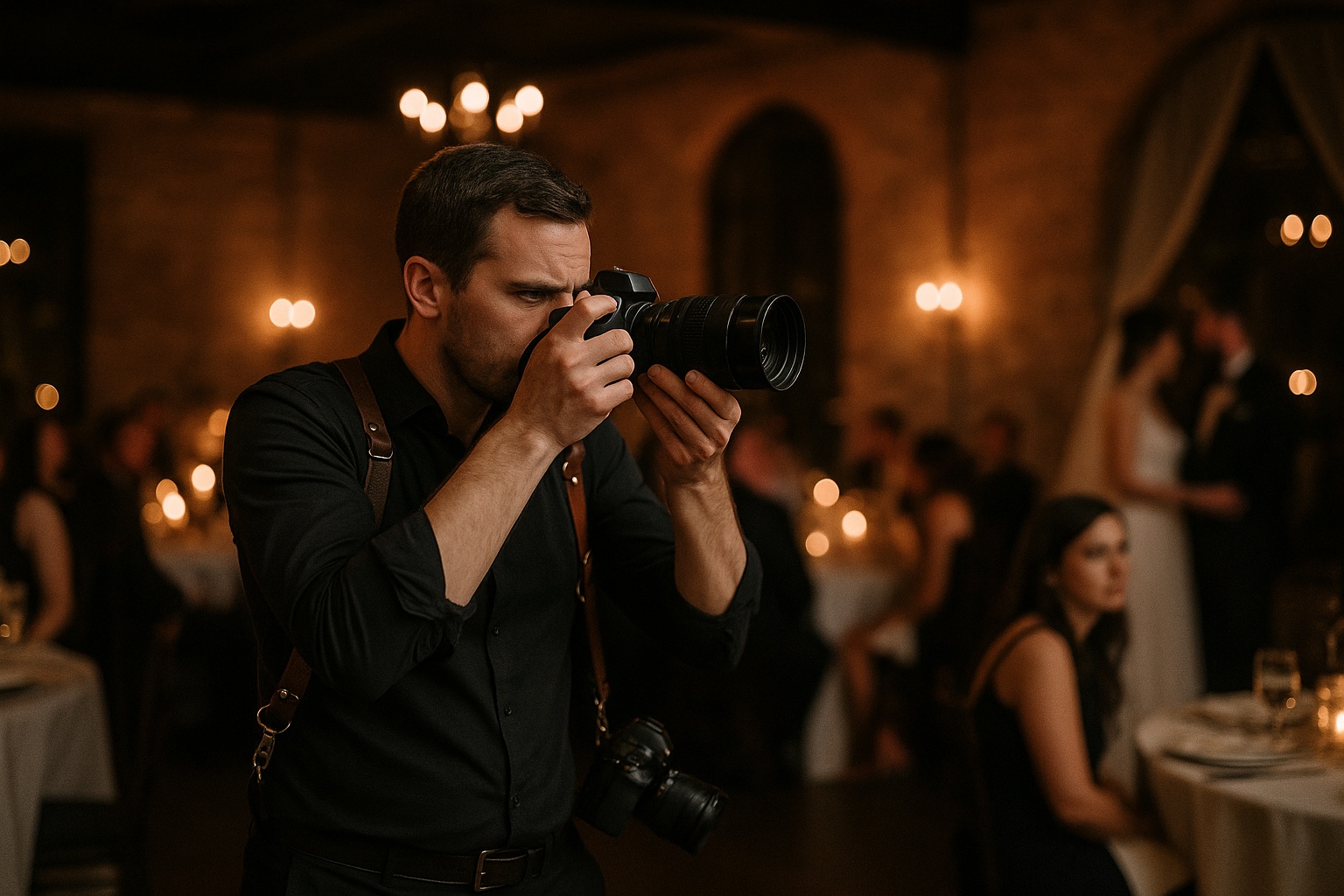
Weddings do not happen in perfect light. Churches, receptions, dance floors, and dark getting-ready rooms all test a camera in different ways. A wedding camera needs to lock focus quickly, track faces and eyes reliably, and hold up when ISO starts climbing.
This matters more than headline specs. A body that looks strong on paper but hesitates in dark venues can cost you real moments.
Dual card slots, battery life, and durability
Wedding work does not give you easy retakes. Dual card slots are still one of the most practical safeguards you can buy. Battery life matters too, especially on long wedding days where you move from prep to ceremony to portraits to reception without much downtime.
Durability also matters more here than in casual shooting. Bodies get carried all day, exposed to heat, cold, dust, and fast pace. A camera that feels dependable in the hand usually earns its place faster than one with a longer spec sheet.
System cost, lens ecosystem, size, and handling
A wedding camera body is never just a body purchase. You are also buying into lenses, batteries, memory cards, and long-term system cost. That is why a slightly cheaper body is not always the cheaper real-world choice.
Handling matters too. Some photographers want a solid workhorse body that balances well with fast zooms. Others need a lighter setup to reduce fatigue across full wedding weekends. The right choice depends on how you actually shoot, not just what looks best in a comparison table.
How to Choose Based on the Way You Shoot Weddings
If you need one dependable all-day workhorse
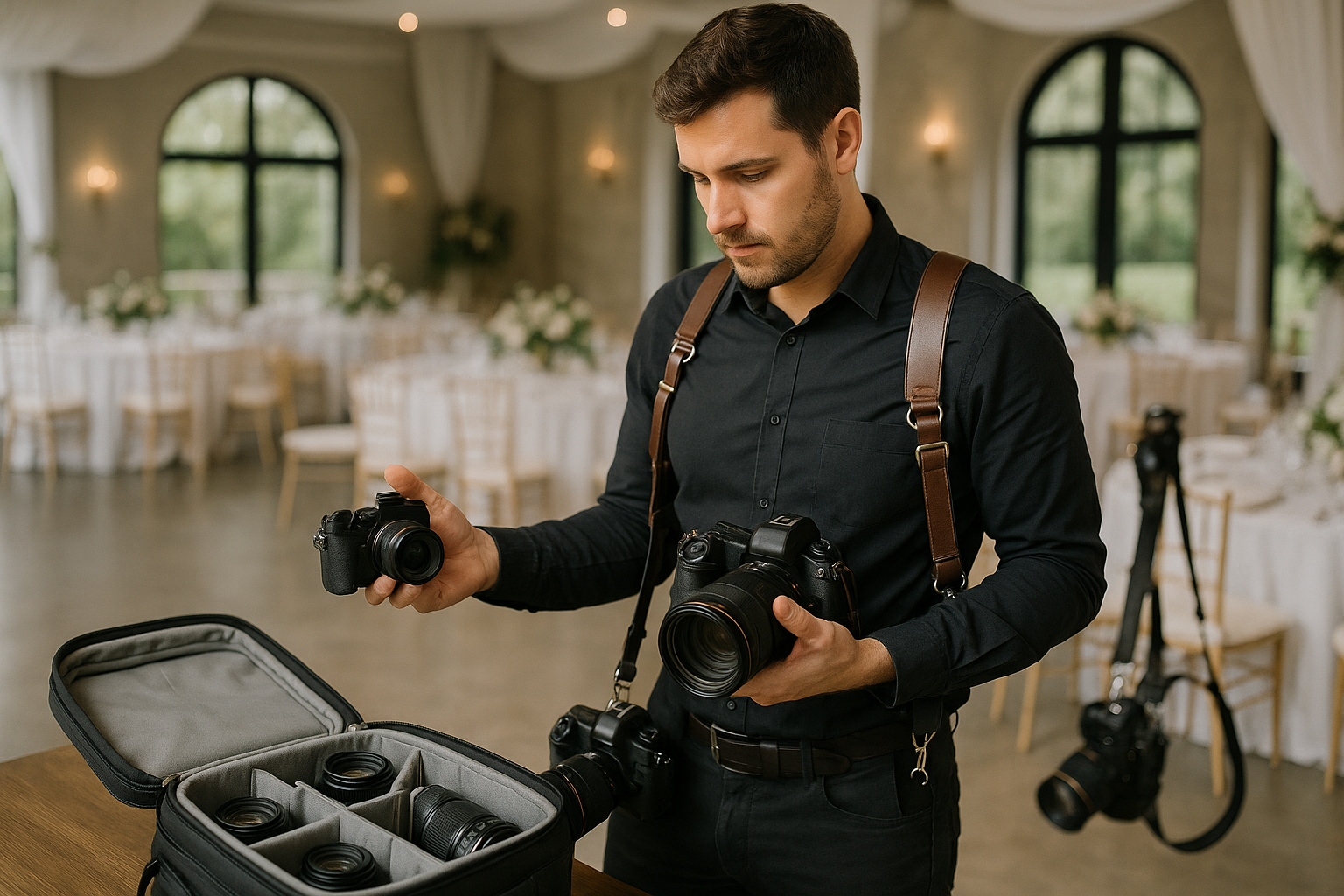
This is the safest category for full-time wedding coverage. You want strong autofocus, dependable low-light performance, dual slots, good ergonomics, and a body that feels stable from prep to dance floor.
If you shoot dark venues or mixed light all the time
Some wedding photographers spend half the day in difficult light. If that is your reality, low-light autofocus, clean high ISO files, and consistent exposure behavior matter more than extra resolution or niche features.
If you need strong photo and video performance in one body
Hybrid wedding coverage is now common. If you regularly deliver both stills and video, you need a camera that can handle reliable photo work without becoming awkward or compromised when video enters the job.
If you need full-frame performance on a lower budget
Not every wedding photographer needs the newest flagship body. A strong budget full-frame camera can still deliver excellent wedding work if autofocus is dependable enough and the system cost leaves room for the lenses you actually need.
If you want a lighter body for long wedding days or travel
Weight becomes real after ten hours on your feet. A lighter camera can make a full wedding day easier to manage, especially if you travel often, shoot destination weddings, or simply want less strain across long weekends.
If you need more resolution for crops and detail-heavy delivery
High resolution is not mandatory for wedding photography, but it helps certain shooters. If you crop often, deliver large prints, or want extra flexibility in post, a higher-resolution body can earn its keep.
Best Cameras for Wedding Photography
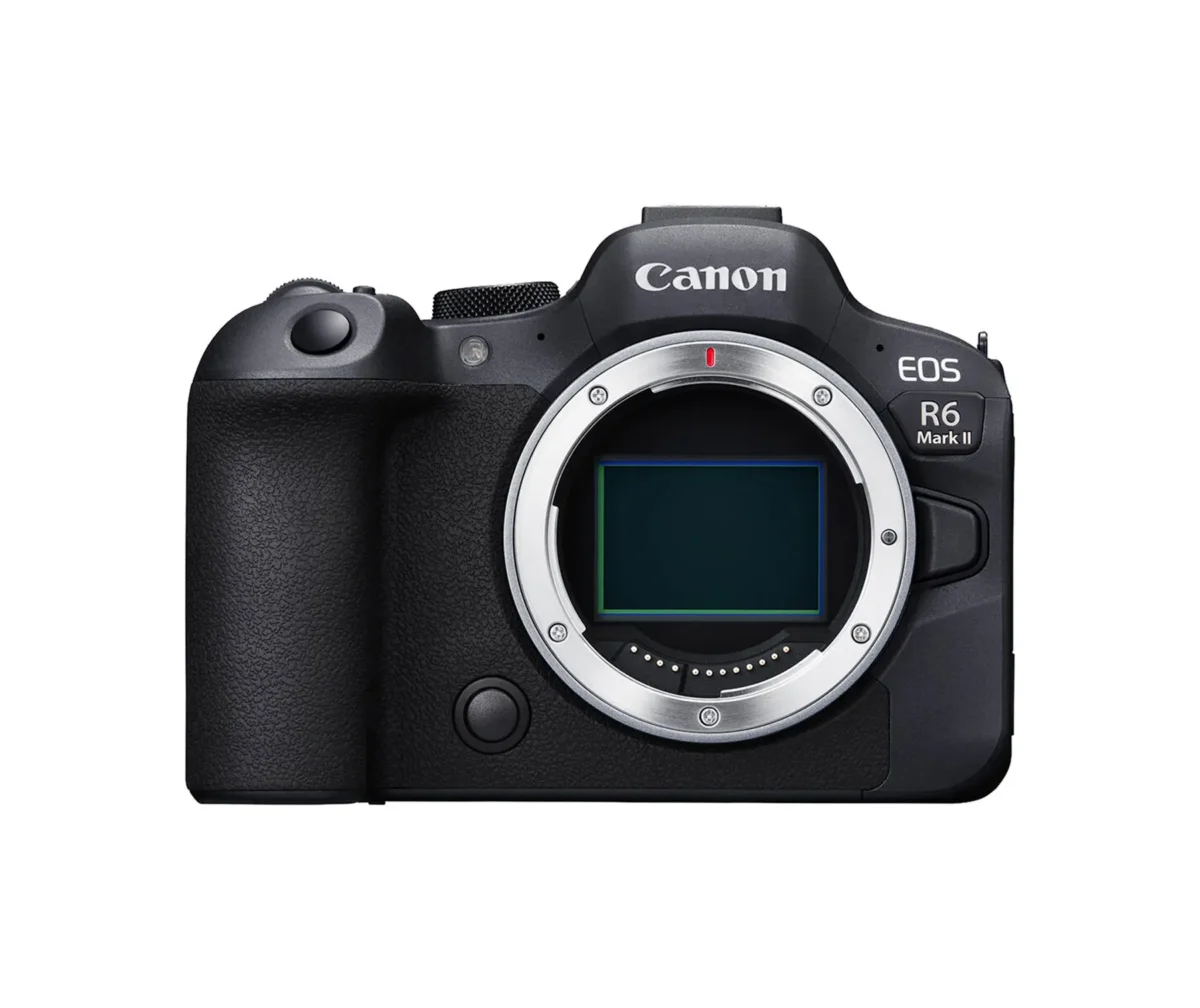
Best Overall Workhorse: Canon EOS R6 Mark II
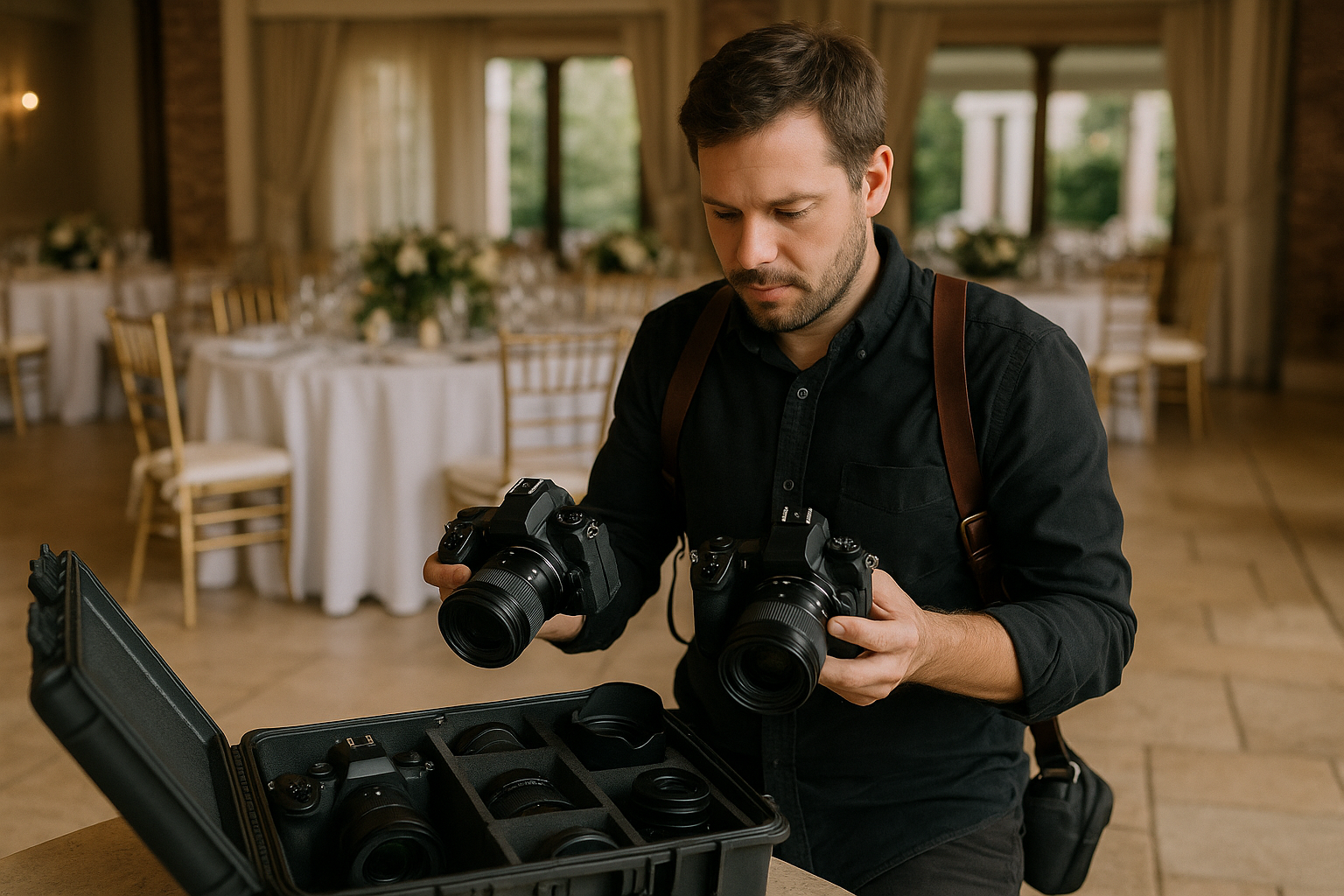
If you want one body that feels safest across the widest range of wedding jobs, the Canon EOS R6 Mark II is the easiest overall pick. It wins because it stays strong on the things that matter most for paid wedding work: reliable autofocus, very usable low-light performance, dual UHS-II card slots, familiar battery performance, and handling that still feels balanced with the lenses most wedding photographers actually use.
It is not the most extreme camera in any one direction, and that is exactly why it works so well here. For photographers who need one dependable main body that can move from prep to ceremony to portraits to reception without becoming the weak point, it is still one of the cleanest workhorse choices.
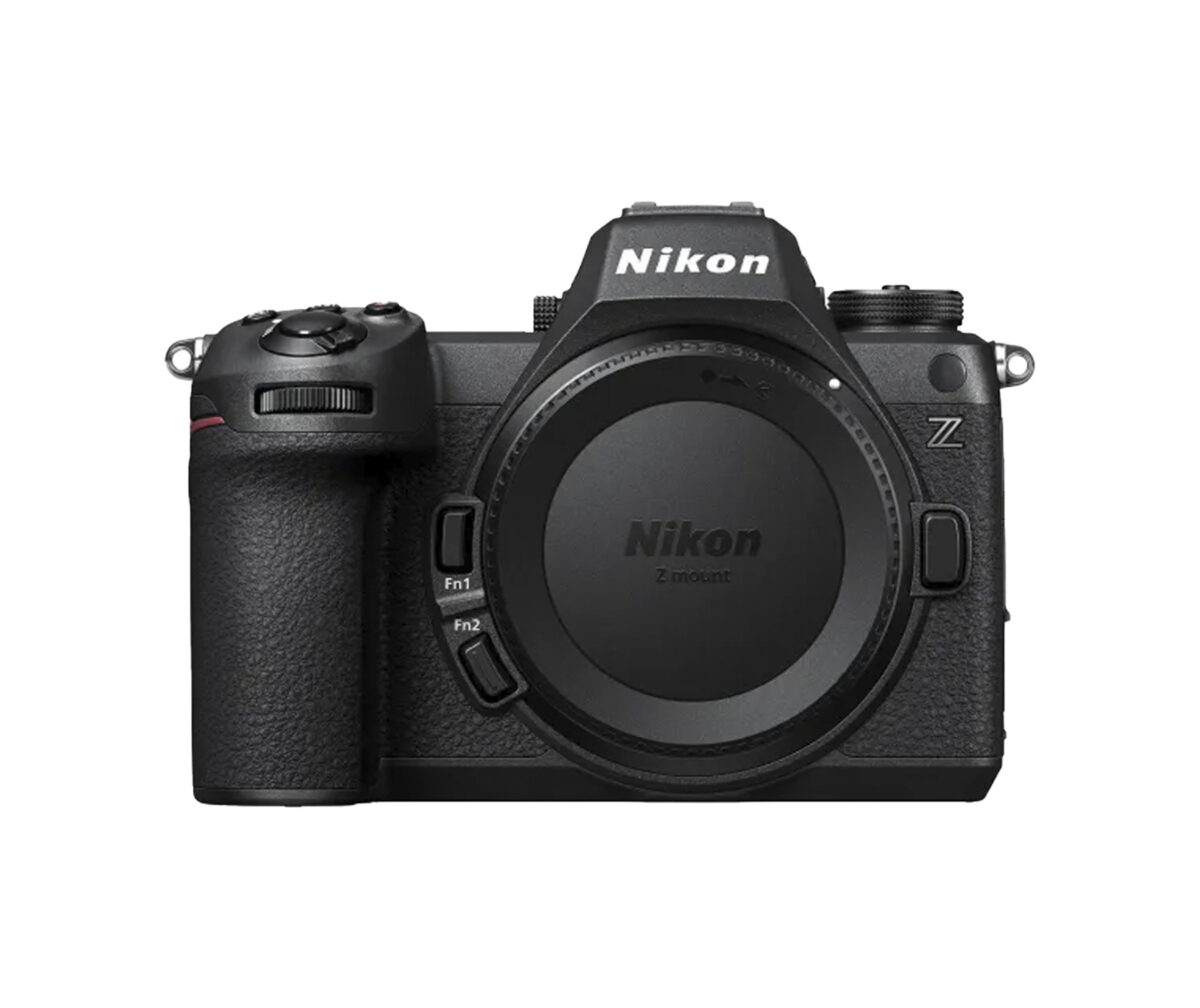
Best for Low Light: Nikon Z6III
The Nikon Z6III is the stronger pick if dark venues, mixed light, and fast evening coverage are a big part of your workload. It makes sense for wedding work because it combines strong autofocus behavior, a solid viewfinder experience in difficult light, dual card slots, and a body that still feels like a serious event camera rather than a stripped-down enthusiast option.
It also makes more practical sense than a pure low-light niche body because it still covers hybrid needs well. If your weddings regularly push into dim churches, candlelit receptions, or ugly DJ lighting, the Z6III earns its place by reducing focus risk without turning into a one-trick pick.
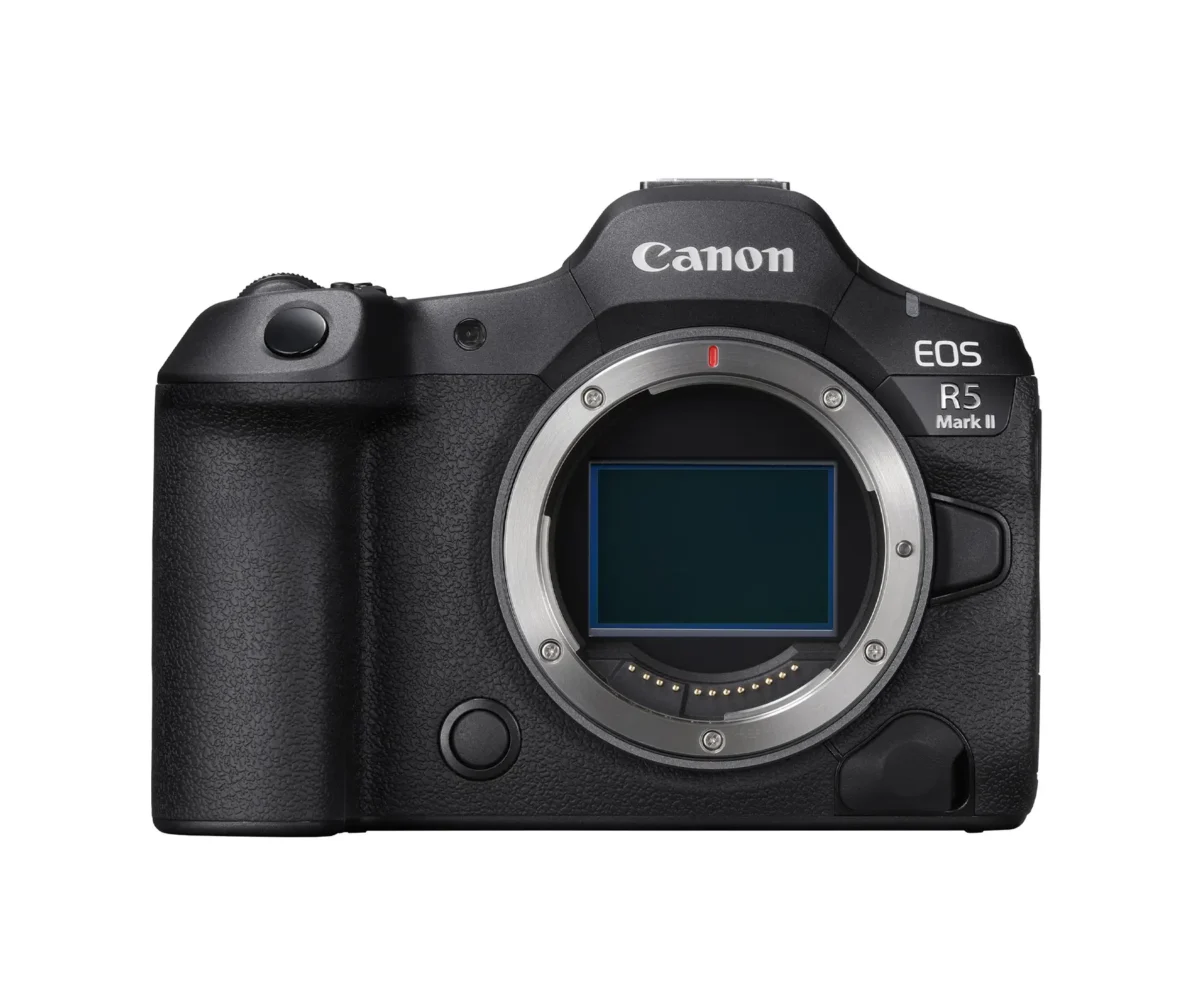
Best Hybrid Photo and Video Option: Canon EOS R5 Mark II
If your wedding jobs regularly include both strong stills coverage and serious video deliverables, the Canon EOS R5 Mark II is the hybrid pick that makes the most sense. It gives you fast autofocus, dual card slots, high-end video capability, and enough resolution to satisfy shooters who need one body to do more than one kind of client work.
What makes it a real wedding pick rather than just a spec monster is that it still feels built for live event pressure. It can cover photo-first work, handle hybrid demand, and stay credible as a main body instead of forcing you into a separate camera for every part of the job.
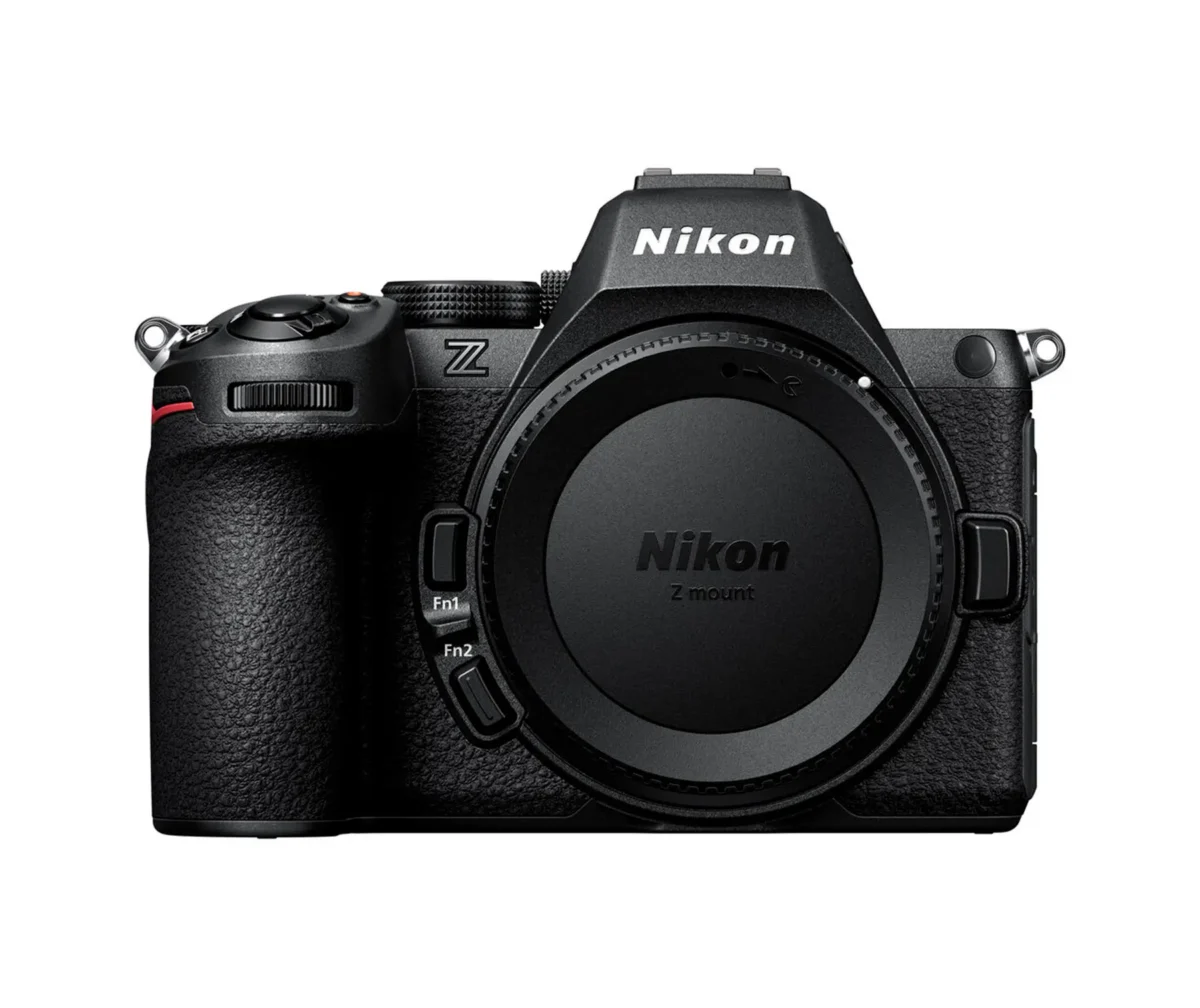
Best Budget Full-Frame Option: Nikon Z5II
The Nikon Z5II is the budget full-frame pick for photographers who still want a camera that feels safe for real wedding work. That matters because a lot of lower-priced bodies start cutting the wrong things first, especially around autofocus confidence and card-slot security.
The Z5II wins this category because it keeps dual SD slots, full-frame image quality, modern autofocus, and a more accessible system entry point. It is not the body for photographers chasing the highest-end burst or video specs, but it is a much more practical answer for budget-conscious wedding shooters than a cheaper body that creates backup or reliability compromises.
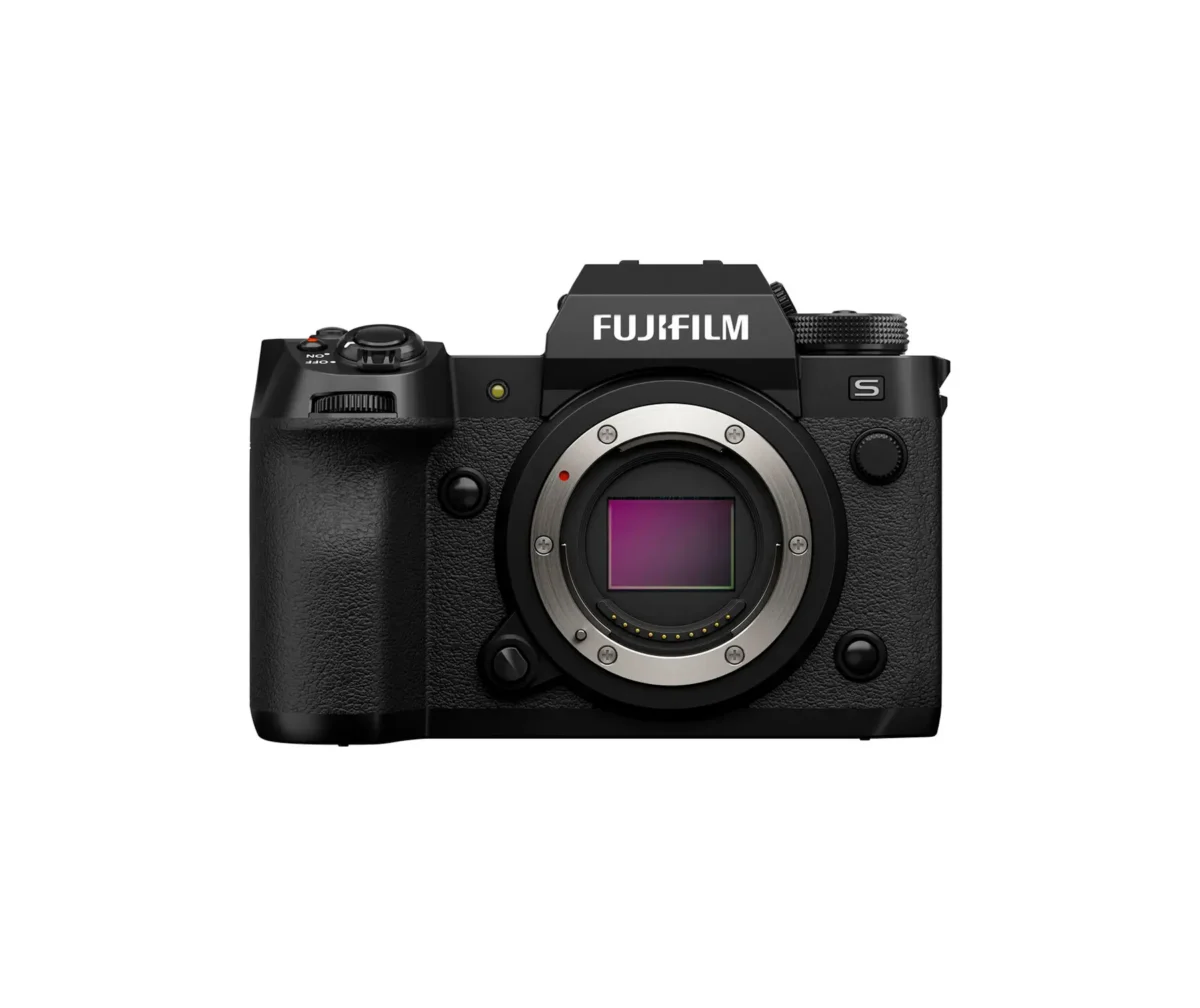
Best Lightweight Option: Fujifilm X-H2S
If keeping the kit lighter matters as much as pure full-frame image specs, the Fujifilm X-H2S is the lightweight pick that makes the most sense. It is not the obvious default for every wedding photographer, but it earns this slot because it gives you strong autofocus, dual card slots, fast performance, and a smaller overall system that is easier to carry through long wedding days.
The tradeoff is clear: you are choosing a lighter APS-C system, not the deepest low-light full-frame option in this list. But for photographers who value speed, reduced fatigue, and a more compact kit without giving up professional backup features, it is the more believable lightweight choice.
Best High-Resolution Option: Sony A7R V
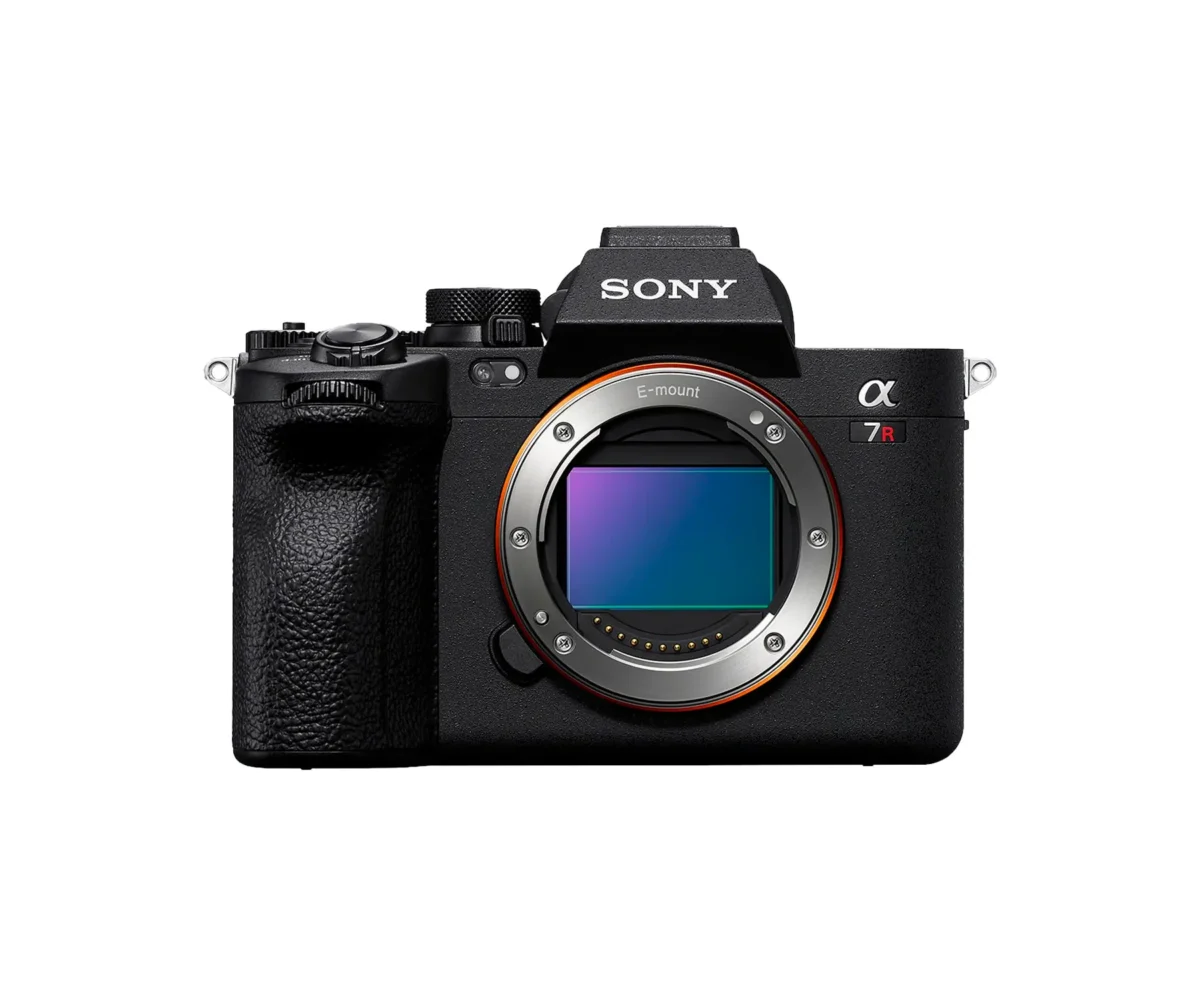
The Sony A7R V is the high-resolution pick for wedding photographers who actually benefit from extra cropping room, detail-heavy delivery, or larger print work. It makes sense here because it gives you very high resolution without giving up autofocus quality, dual card slots, or pro-level system depth.
That said, this pick only wins if the extra resolution supports the way you work. Bigger files mean higher storage, culling, and editing cost. If you really do crop hard or deliver detail-heavy work, the A7R V is the more convincing high-resolution wedding body. If not, one of the lower-resolution workhorses above is usually the smarter buy.
How to Make the Final Choice
Start with your real workload, not the spec sheet. If most of your weddings happen in difficult light, low-light autofocus and consistency should outrank resolution. If you deliver both stills and video, hybrid performance becomes more important.
Then look at the system you can actually support. Your existing lens mount, the cost of building out the kit, and how many bodies you need matter just as much as the body itself. A camera that looks cheaper upfront can become more expensive once you price the full system.
Weight also deserves a real decision, not an afterthought. A heavier body may feel more balanced with pro zooms, but a lighter body may be the smarter choice if it helps you stay faster and less fatigued across long wedding days.
The best camera for wedding photography is usually the one that removes the most risk from your actual jobs. It should help you work confidently in low light, focus reliably, protect the files, and fit the budget and system you can keep using over time.
Next Steps: Speed Up Your Wedding Workflow with Evoto
Choosing the best camera for wedding photography is only part of the job. Once the wedding day is over, you still need to cull hundreds or even thousands of images, keep your edits consistent, and deliver the final gallery on time. That post-production workload can easily become the real bottleneck.
That is where Evoto comes in.


Powerful AI Photo Editor
Evoto is an AI-powered photo editing tool designed to help photographers cull, edit, and retouch images faster, so you can spend less time behind your computer and more time shooting, delivering, and growing your business.
Why Use Evoto?
- AI Culling: Sort through large wedding galleries faster by reducing duplicates, missed-focus frames, and less usable shots.
- AI Color Match: Keep edits consistent across different lighting conditions, from getting ready to ceremony to reception.
- Portrait Retouching: Speed up skin cleanup and portrait finishing while keeping results polished and natural.
- Faster Workflow: Cut down post-production time and move wedding galleries out the door more efficiently.
Try Evoto for Your Wedding Photography Workflow
If you want to save time on culling and editing while keeping your wedding galleries consistent, Evoto can help streamline your post-production workflow and make delivery faster and easier.
Try Evoto AI Photo Editor
Retouch photos with Evoto AI and make your photos best! Available on Windows, MacOS and iPadOS.