
A standard zoom lens is one of the easiest lenses to buy badly because so many options sound similar while serving very different buyers in practice. A full-frame 24-70mm f/2.8, a compact APS-C upgrade, and a Micro Four Thirds everyday zoom can all be the right answer, but not for the same camera system or the same kind of shooter.
That is why this guide starts with the real lenses readers usually want to scan first. The shortlist comes first, then the overlap that confuses most shoppers, and only after that the buying logic around speed, range, portability, stabilization, and kit lens upgrades. The goal is to feel like a useful gear roundup, not a deal page and not a wall of specs.
Quick List: The Best Standard Zoom Lenses by System
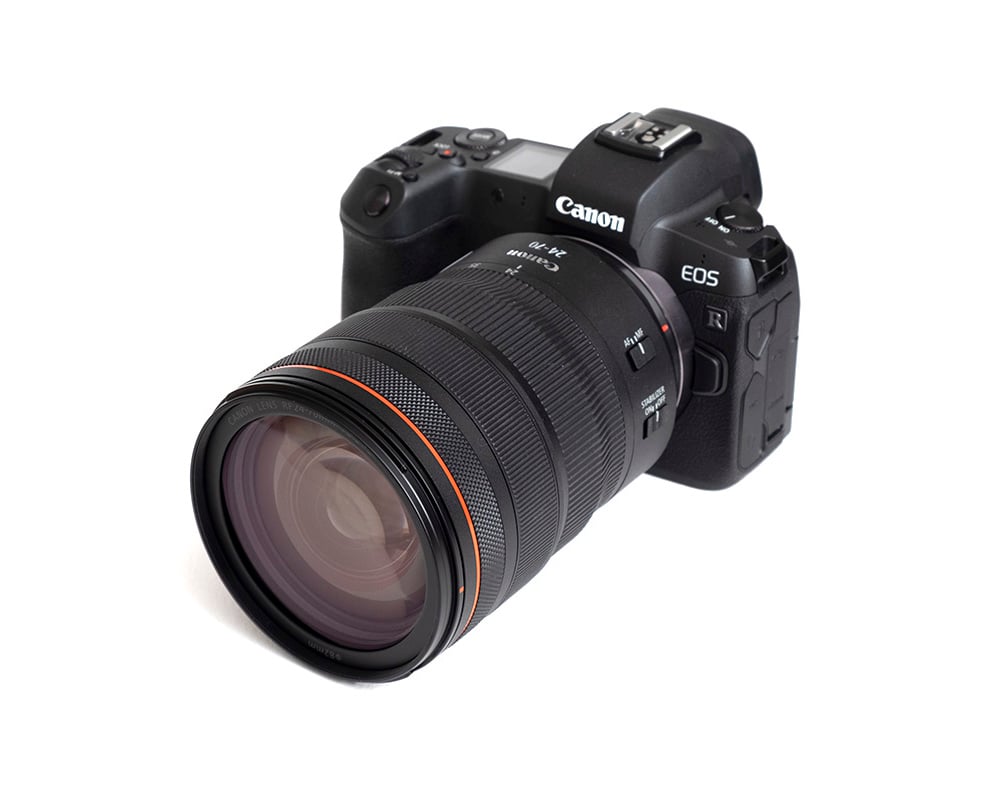
- Best Canon RF standard zoom for a classic full-frame all-rounder: Canon RF 24-70mm f/2.8L IS USM
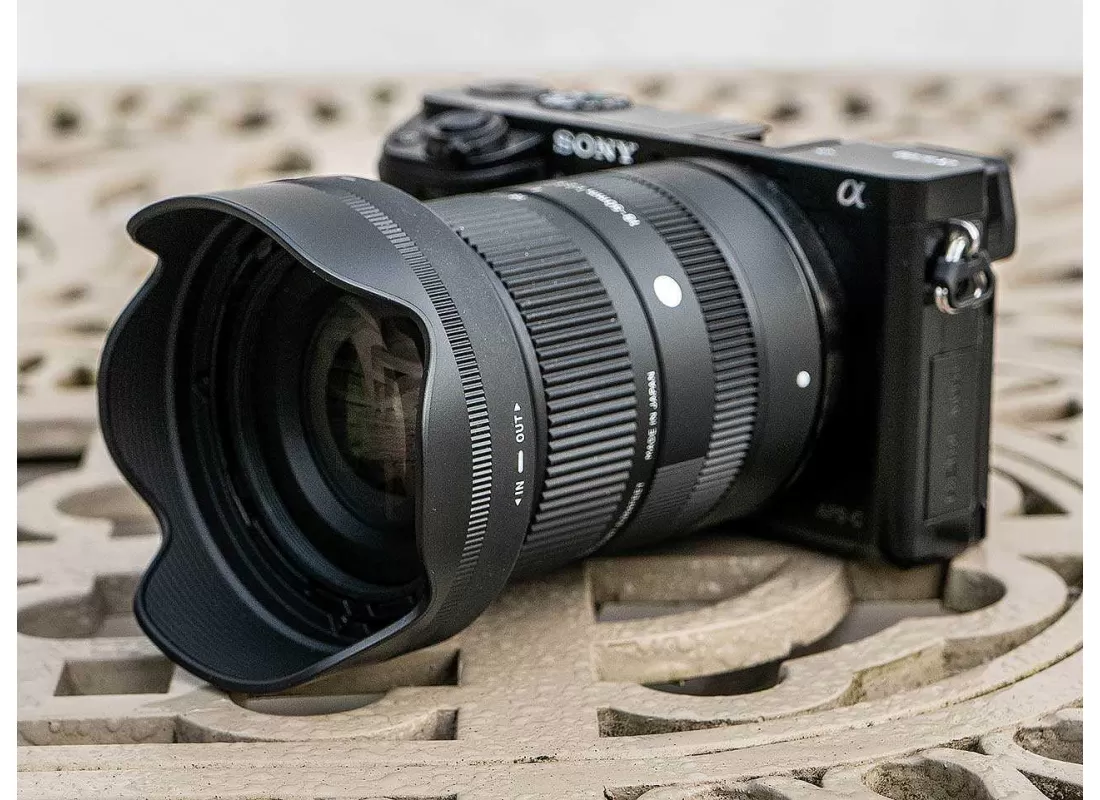
- Best Canon RF-S standard zoom for a compact APS-C upgrade: Sigma 18-50mm f/2.8 DC DN | C
- Best Nikon Z standard zoom for full-frame speed and serious everyday use: Nikon Z 24-70mm f/2.8 S II
- Best Nikon Z DX standard zoom for crop-sensor users who want a real step up: Nikon Z DX 16-50mm f/2.8 VR
- Best Sony FE standard zoom if you want the bold premium option: Sony FE 28-70mm f/2 GM
- Best Sony E standard zoom for APS-C users who want a native pro-style everyday zoom: Sony E 16-55mm f/2.8 G
- Best Fujifilm X standard zoom for the high-end APS-C route: Fujifilm XF 16-55mm f/2.8 R LM WR II
- Best L-mount standard zoom for fast full-frame general use: Sigma 24-70mm f/2.8 DG DN II Art
- Best Micro Four Thirds standard zoom for a classic pro-style everyday choice: OM System M.Zuiko Digital ED 12-40mm f/2.8 Pro
Why These Standard Zoom Picks Make Sense
Canon RF: Canon RF 24-70mm f/2.8L IS USM
If you shoot Canon full-frame mirrorless and want the standard pro-grade answer, this is the lens that explains the category fastest. It covers the classic 24-70mm range, keeps the constant f/2.8 aperture many buyers want in a serious everyday zoom, and makes sense for portraits, events, travel, and general work.
This is the right pick if you want the “buy once, use constantly” full-frame route inside Canon RF. It is not the best pick if your real priority is extra range and one-lens travel convenience, because that is where the Canon RF 24-105mm F4 L IS USM starts to make more sense.
Canon RF-S: Sigma 18-50mm f/2.8 DC DN | C
For Canon RF-S users, this kind of compact third-party APS-C zoom is exactly what many kit lens owners are looking for. It upgrades speed and everyday usability without turning the camera into something much bigger or heavier.
This is the right choice if you want a cleaner, faster, more serious standard zoom but still want the setup to stay compact. It suits the buyer who wants a real upgrade, not a mini full-frame-style burden.
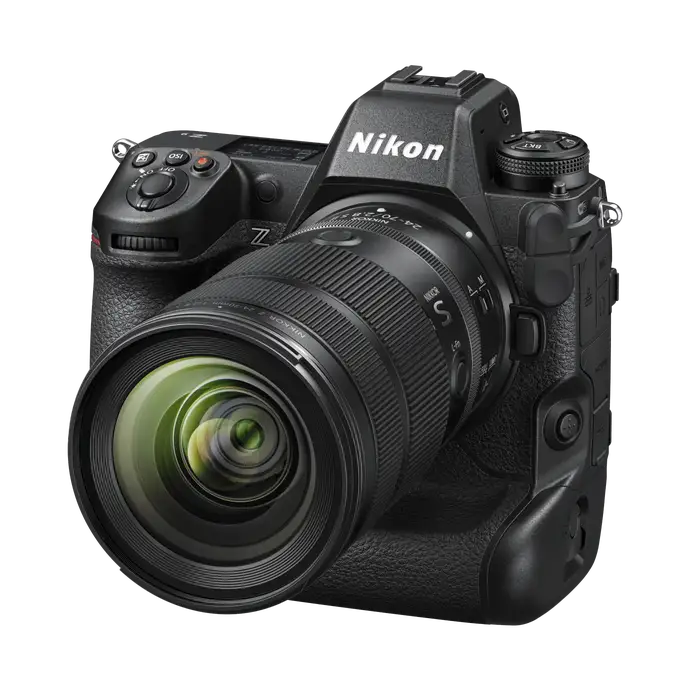
Nikon Z: Nikon Z 24-70mm f/2.8 S II
For Nikon full-frame mirrorless users, this is the category-defining serious standard zoom choice. It serves the buyer who wants top-tier everyday performance and is willing to pay for speed, consistency, and a lens that can anchor the whole kit.
Choose this if your idea of a standard zoom is one lens that can do almost everything well. Skip it if you already know you care more about lighter carry and more range than about the classic f/2.8 route.
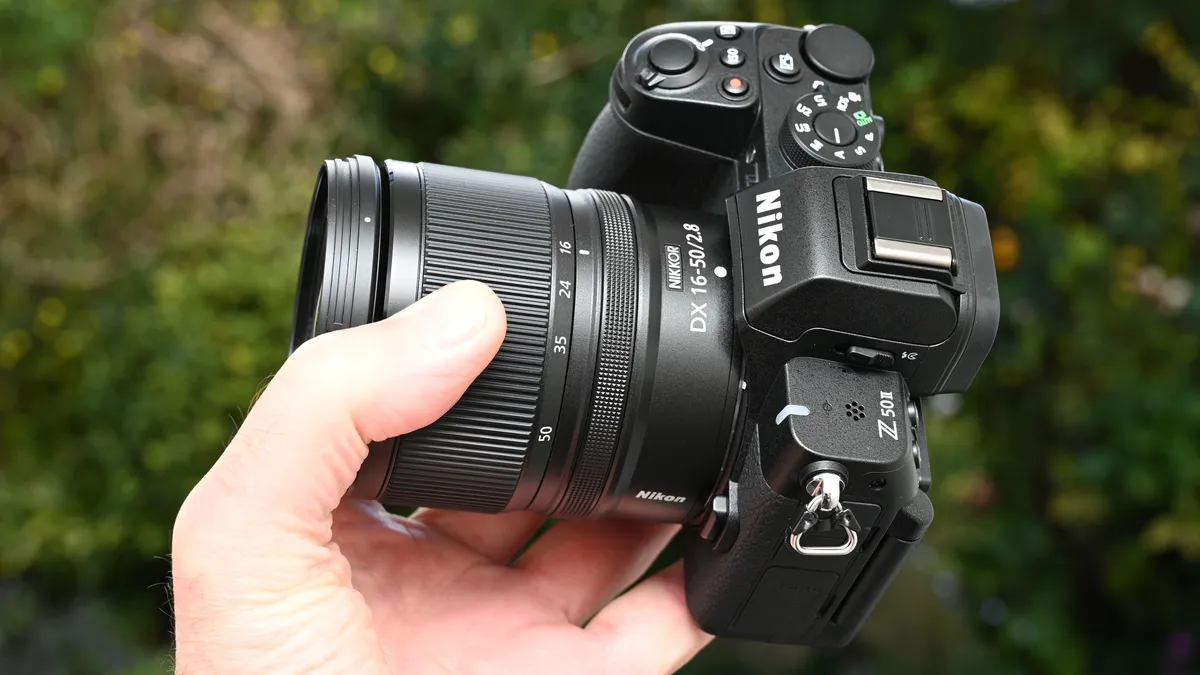
Nikon Z DX: Nikon Z DX 16-50mm f/2.8 VR
This is the Nikon crop-sensor answer for users who want something much more committed than a starter zoom without having to jump into full-frame. It makes sense for buyers who like the size and value of DX but want a standard zoom that feels faster, more confident, and more serious in everyday use.
This is the pick for Nikon DX users who want a real system-native upgrade instead of treating APS-C as a temporary step.
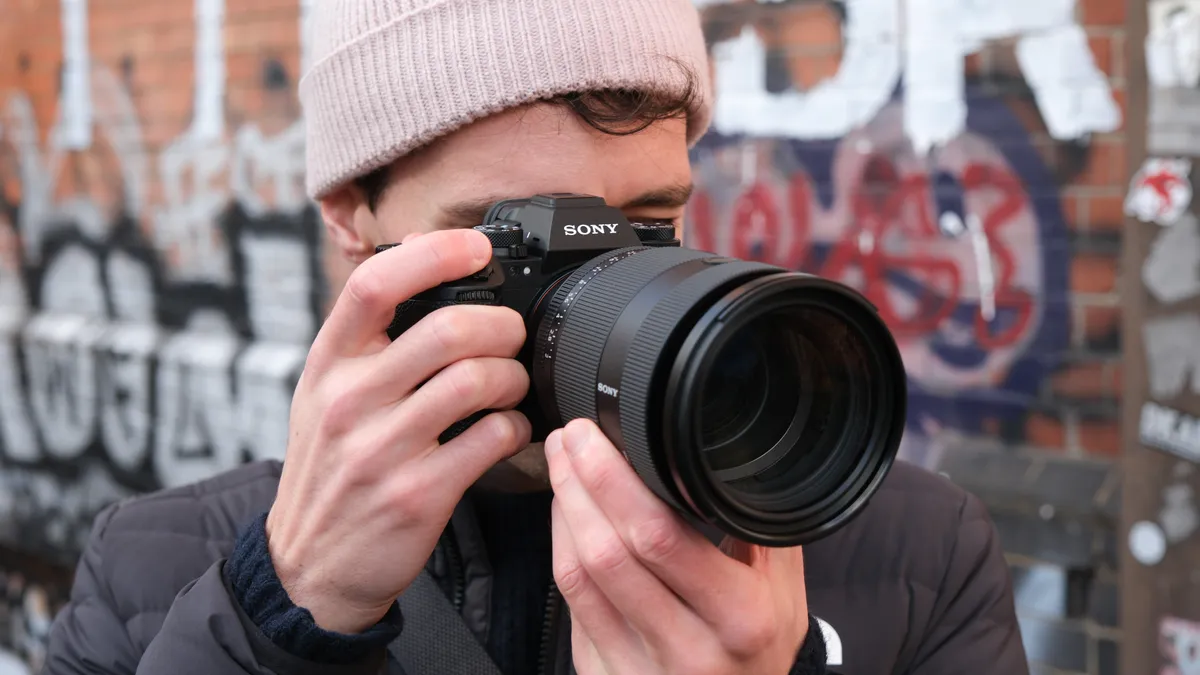
Sony FE: Sony FE 28-70mm f/2 GM
Sony’s FE 28-70mm f/2 GM is not the conservative choice. It is the premium “I want something faster than the usual 24-70mm f/2.8” choice. That makes it attractive for the buyer who wants the look and low-light edge of an f/2 zoom and is willing to accept the unusual 28mm starting point.
It is not the obvious answer for every full-frame Sony user, but it is a very real answer for the buyer who wants speed first and is comfortable paying for it.
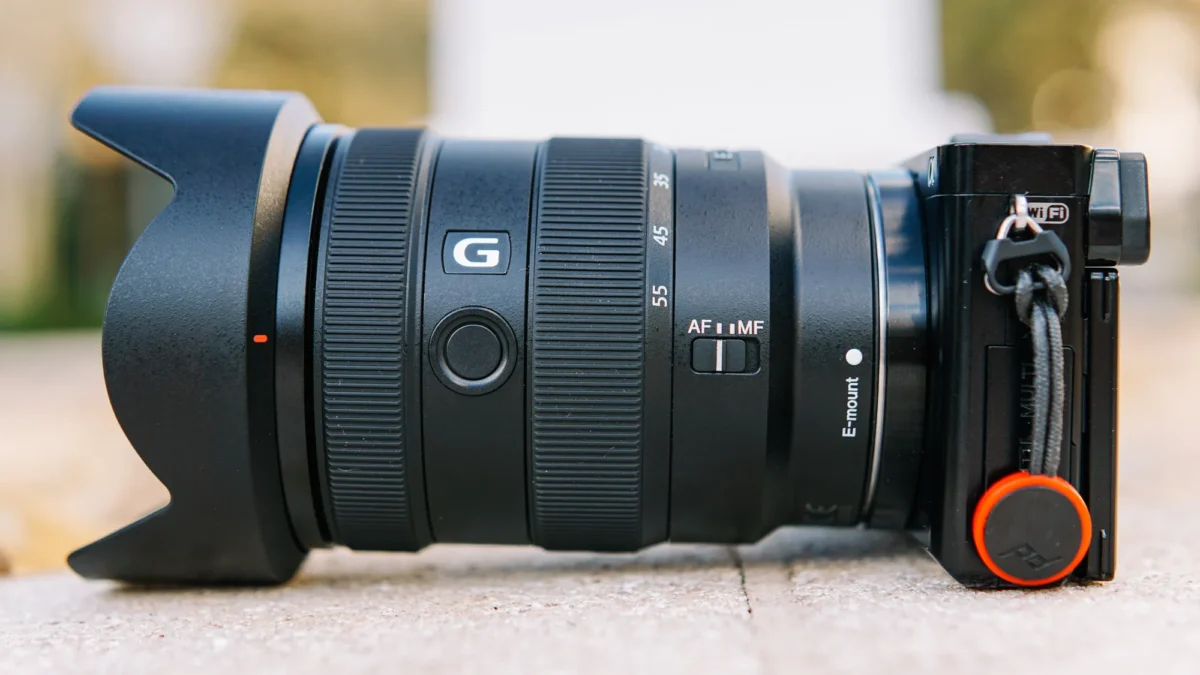
Sony E: Sony E 16-55mm f/2.8 G
This remains one of the clearest APS-C standard zoom answers for Sony users who want a native pro-style everyday lens. It gives Sony crop-sensor users the kind of fast, dependable standard zoom that feels like a real system anchor, not just a kit lens replacement.
Choose it if you want the stronger, more premium APS-C everyday route and do not mind carrying something bigger than the smallest compact alternatives.
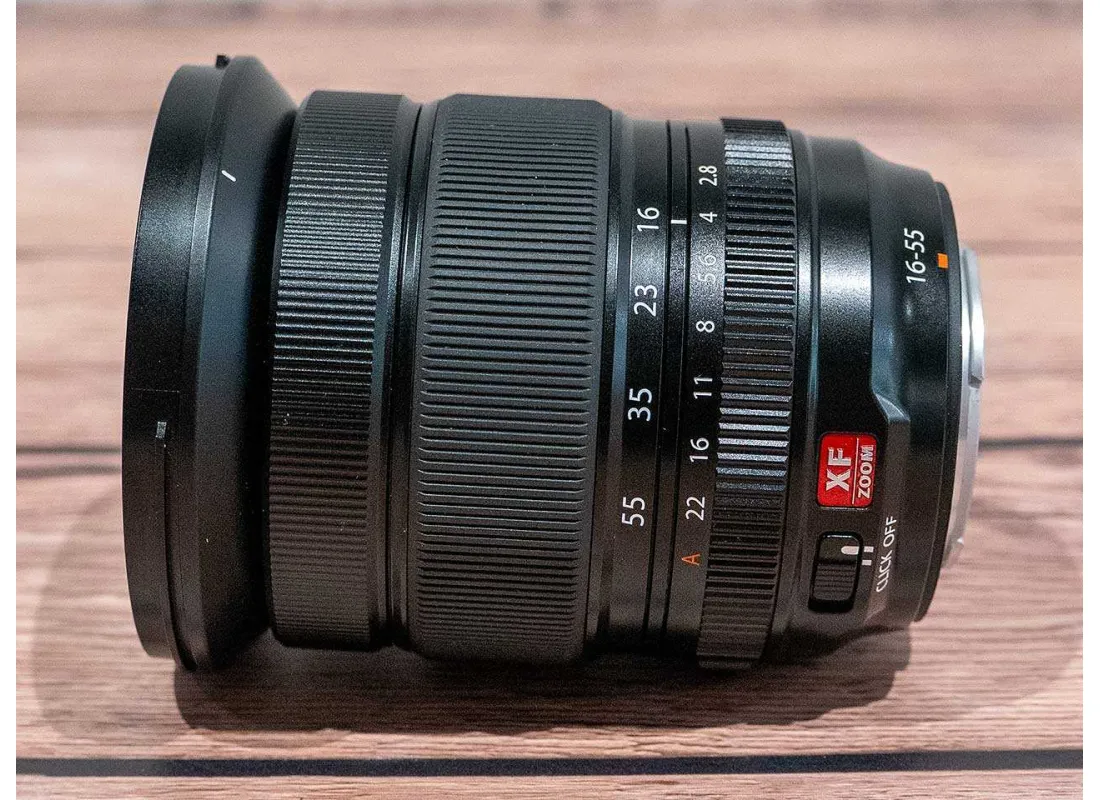
Fujifilm X: Fujifilm XF 16-55mm f/2.8 R LM WR II
For Fujifilm users, this lens makes sense because it plays the same practical role a high-end standard zoom plays on other systems while staying properly format-aware. It is a serious APS-C standard zoom for the buyer who wants one lens to do everyday work at a high level.
This is the right pick if you want the premium everyday zoom experience on Fujifilm rather than the smallest or cheapest route.
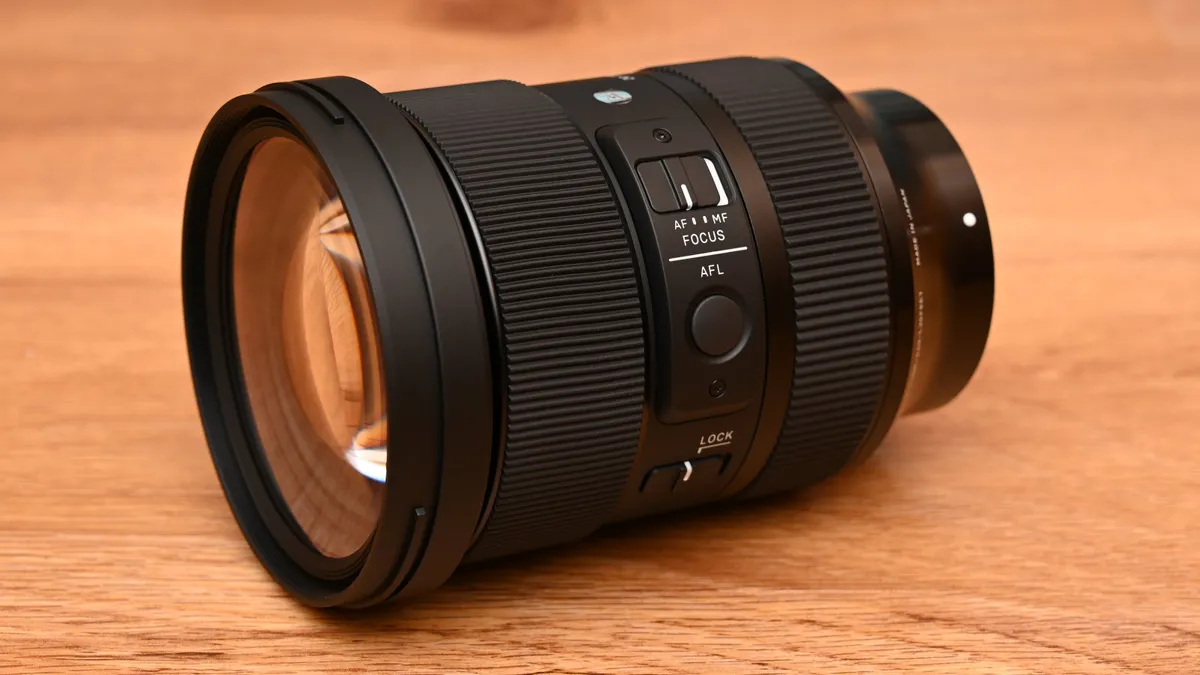
L-mount: Sigma 24-70mm f/2.8 DG DN II Art
For L-mount users, Sigma’s updated 24-70mm f/2.8 option is a direct answer to the classic full-frame all-rounder brief. It makes sense for the buyer who wants a fast standard zoom that feels current, system-serious, and ready to stay on the camera a lot.
This is the right choice if you want the familiar full-frame 24-70mm f/2.8 logic without overcomplicating the decision.
Micro Four Thirds: OM System M.Zuiko Digital ED 12-40mm f/2.8 Pro
For Micro Four Thirds users, this is the cleanest pro-style standard zoom answer. It gives MFT shooters the format-correct version of the serious everyday zoom idea: fast enough, practical enough, and broad enough to work as the main lens on the camera.
This is the best fit if your priority is speed and a dependable all-round range within the format, not maximum convenience through extra reach. If versatility matters more, the Panasonic Leica DG Vario-Elmarit 12-60mm F2.8-4.0 is the cleaner range-first branch.
The Overlap That Confuses Most Buyers
Full-frame 24-70mm f/2.8 vs range-first full-frame zooms
This is the biggest split for full-frame buyers. The 24-70mm f/2.8 path is for people who care more about speed, low-light flexibility, and the classic premium standard zoom feel. The range-first route, usually 24-105mm style, is for buyers who care more about convenience, extra framing flexibility, and fewer lens changes.
If you shoot people indoors, want a stronger depth-of-field advantage, or simply want the classic pro all-rounder, the 24-70mm category makes more sense. If you travel more and want one lens to stretch further, a lens like the Canon RF 24-105mm F4 L IS USM is often the smarter everyday buy.
APS-C compact fast zooms vs APS-C more flexible zooms
On APS-C, the confusion usually comes from comparing upgrades that are solving different problems. A compact 18-50mm f/2.8 lens like the Sigma 18-50mm f/2.8 DC DN | C is for buyers who want the cleanest, smallest serious upgrade from a kit zoom. A 16-55mm or 17-70mm style lens is for buyers who want a more ambitious everyday lens, either through more system-native polish or more range.
The key is deciding whether your real frustration is lack of speed or lack of flexibility. If extra reach and stabilization matter more, a lens like the Tamron 17-70mm F2.8 Di III-A VC RXD usually makes more sense than the smallest compact option.
Micro Four Thirds speed-first vs range-first choices
On Micro Four Thirds, the overlap is usually between the faster pro-style option and the more flexible longer-range one. A 12-40mm or 12-35mm type lens is the answer if you want the faster classic standard zoom experience. A 12-60mm type lens, such as the Panasonic Leica DG Vario-Elmarit 12-60mm F2.8-4.0, is the answer if your real priority is versatility.
This is one of the clearest examples of why the best standard zoom is not one universal thing. It depends on what the format is supposed to do for you.

What a Standard Zoom Lens Actually Is
A standard zoom lens covers the focal range many photographers use for everyday shooting. It usually starts at a moderately wide field of view and ends around a short telephoto range, which is why it works so well for travel, street, family, portraits, and general use.
But “standard zoom” changes with format.
On full-frame, it usually means 24-70mm or 24-105mm. On APS-C, it is more like 16-50mm, 16-55mm, 17-70mm, or 18-50mm. On Micro Four Thirds, it is more like 12-35mm, 12-40mm, or 12-60mm. That is why buying by focal length alone is a fast way to get confused.
It is also why standard zooms become the first real lens upgrade for so many mirrorless users. They sit right in the middle of daily use, so any weakness in the starter lens gets noticed quickly. If you are still sorting out the broader tradeoff between flexibility and fixed focal lengths, Prime vs Zoom Lenses is the closest related read from here.
How to Choose the Right Standard Zoom Lens
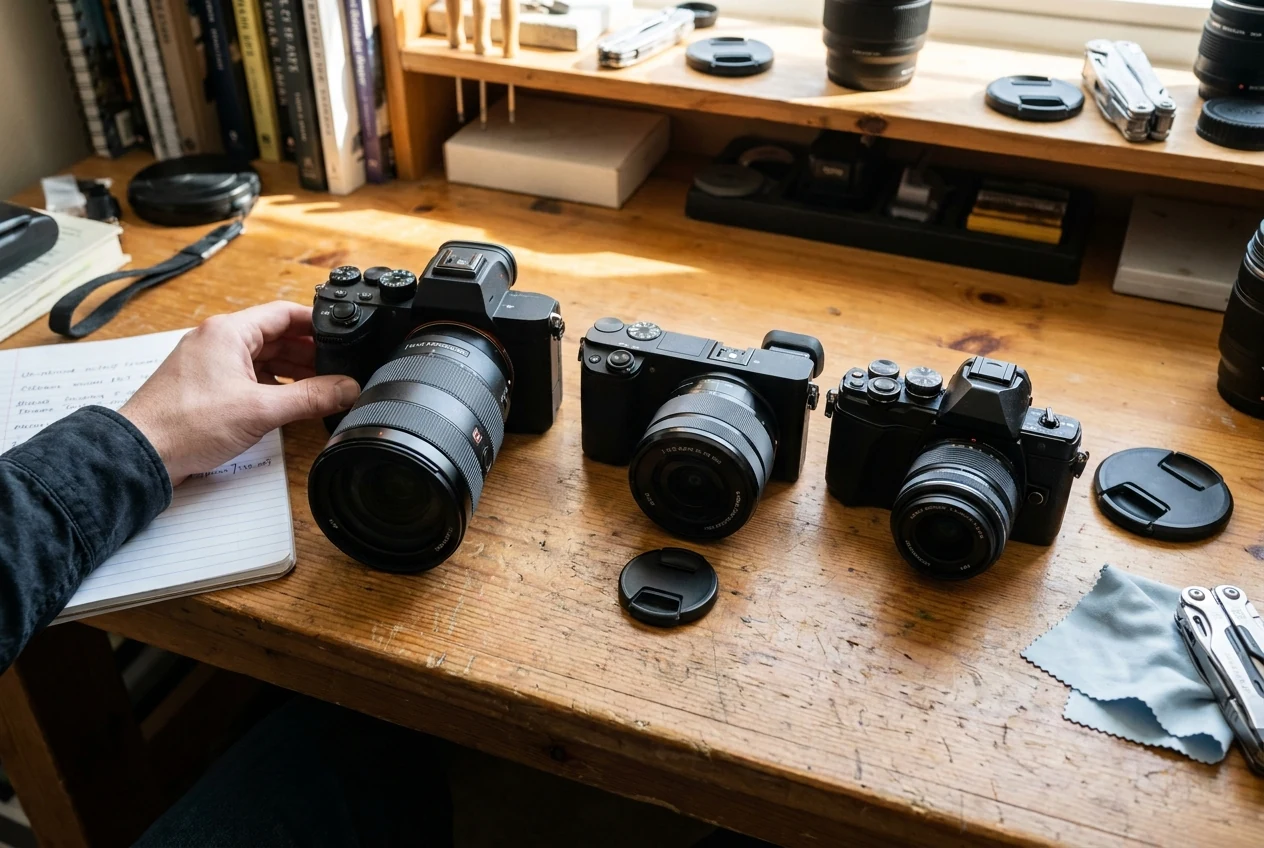
Start with your sensor size and mount. That tells you what actually counts as a standard zoom before you even compare specific lenses.
Then decide what matters most: speed, range, or portability.
If you want the classic premium answer, the fast standard zoom route is usually the one to watch. If you want fewer lens changes and more convenience, the longer-range practical option may make more sense. If you want a kit lens upgrade but need the camera to stay easy to carry, size becomes a much bigger part of the decision.
Stabilization matters in context too. If your camera already has strong in-body stabilization, lens stabilization may matter less for stills. But if you shoot a lot in lower light, travel often, or care about extra steadiness handheld, it becomes a more meaningful buying factor. If that buying question starts drifting into what lens speed really changes once the shutter gets slow, Shutter Speed is the closest follow-up.
Is It Worth Upgrading from a Kit Lens?
Upgrade when the limitation is obvious.
If your current lens feels too slow, too soft, too inconsistent, or too flimsy for how you shoot, a better standard zoom usually makes sense. It can also be the right move when you want a lens that can stay in your kit for years instead of a starter zoom you already know you will outgrow.
But not every kit lens user needs to move immediately. If your current zoom is light, stabilized, and good enough for the photos you actually take, the smarter move may be to wait until the upgrade solves a real problem instead of buying just because the category sounds more serious.
Common Buying Mistakes with Standard Zoom Lenses
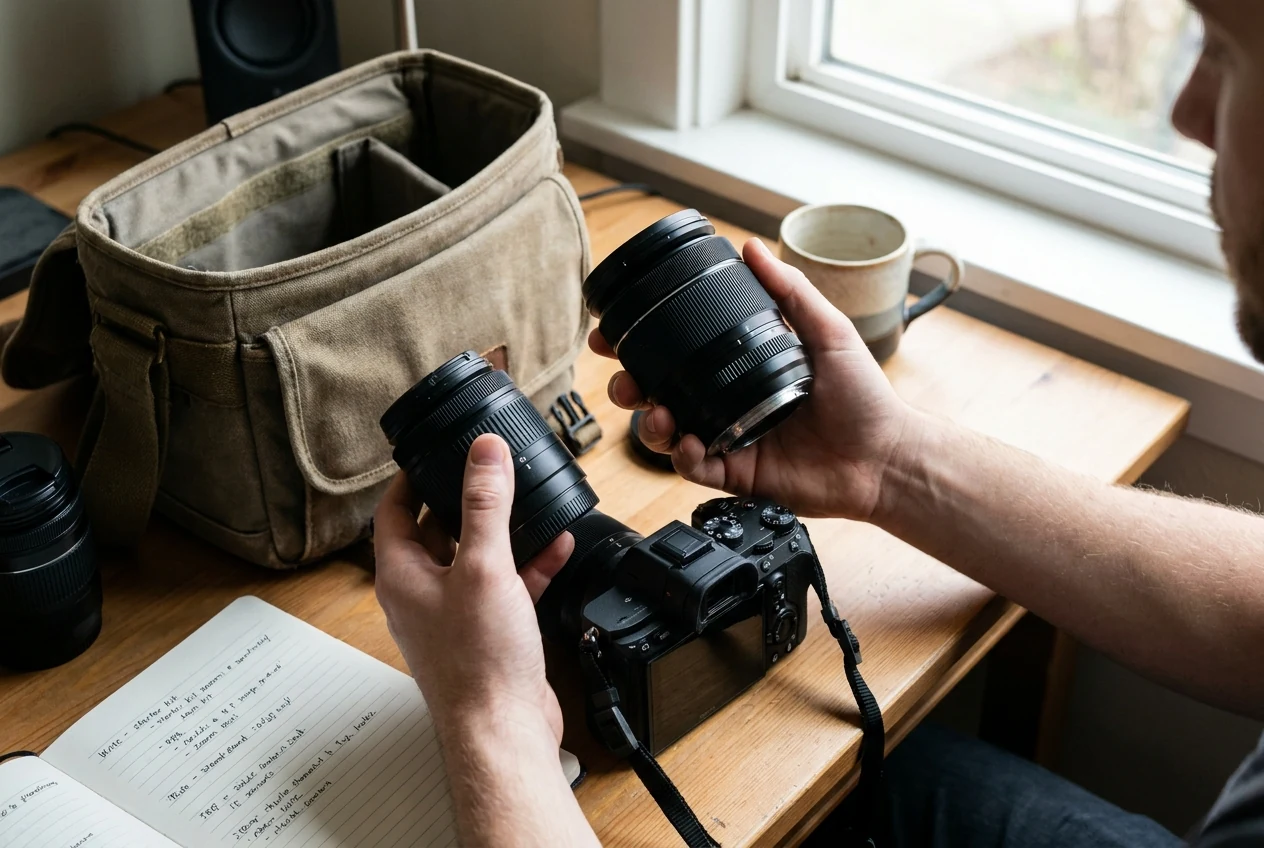
One common mistake is buying only by aperture. A faster lens sounds better, but it is not automatically the right choice if you want something you will actually carry every day.
Another is ignoring format logic. A full-frame idea of what a standard zoom should be does not map neatly onto APS-C or Micro Four Thirds.
People also overspend on pro-level size and build when what they really need is a lighter everyday setup. And many buyers expect every standard zoom upgrade to transform their photos dramatically, when often the biggest gains are consistency, handling, and lower-light confidence.
Final Thoughts
The best standard zoom lens is not the one with the most impressive spec line. It is the one that fits your system, your format, and the way you actually shoot.
That is why the real-lens shortlist matters first, and the overlap explanations matter after that. Once you know whether you care more about speed, range, portability, or upgrade value, the right standard zoom becomes much easier to spot.
Editing tools only start to matter after those decisions are already made. Lens choice directly affects things like distortion, edge sharpness, and color consistency, so getting it right in-camera will always save more time later.
When you do end up working with mixed lenses or less-than-perfect files, that is where tools like Evoto fit more naturally into the workflow. Features such as AI Crop Image, Batch Edit, and AI Color Match can help clean up inconsistencies, align color across different lenses, and reduce the amount of manual correction needed after the shoot.
In practice, the order stays the same: choose the right lens first, then use editing tools to support and refine the result, not to fix avoidable problems.
Try Evoto AI Photo Editor
Retouch photos with Evoto AI and make your photos best! Available on Windows, MacOS and iPadOS.