

Some photos feel quiet. The viewer lands on the subject, understands the frame, and stops. Other photos keep the eye moving.
A diagonal pulls across the scene. A pattern leads forward, then breaks. A shoreline curves into the distance. A small figure interrupts a row of repeated shapes. A bright subject and dark shadow create a controlled pull in different directions.
That visual movement is dynamic tension.
Dynamic tension in photography is not about making a photo chaotic. It is about creating visual energy inside a still frame. The viewer should have a clear subject, but the frame should also give the eye a path to follow.
For working photographers, dynamic tension is useful because it helps a composition feel active without relying on obvious action. You can use it in landscapes, travel photography, street scenes, portraits, weddings, product work, architecture, and editorial images. The tool changes by genre, but the job stays the same: give the eye a reason to keep exploring the frame.
What Is Dynamic Tension in Photography?
Dynamic tension is visual energy created by the relationship between elements inside a composition.
It can come from:
- diagonal lines
- S curves
- repeating patterns
- one break in a pattern
- contrast between light and dark
- contrast between large and small
- shapes that pull in different directions
- space between important elements
- horizon placement
- foreground and background separation
- visual weight arranged across the frame
The word “tension” does not mean the image must feel uncomfortable. It means the frame has a controlled pull.
The viewer notices one part of the photo, then another. The eye moves through the image instead of stopping immediately. A strong photo still needs a subject, but dynamic tension makes the supporting structure more engaging.
The goal is not to confuse the viewer. The goal is to guide them.
Why Dynamic Tension Makes Photos More Engaging
A still image can feel active when the eye has a route. That route might follow a road, river, fence, shadow, gesture, row of trees, mountain ridge, building edge, or line of people. It might move from a foreground shape to a distant subject. It might start with a repeated pattern, then stop on the one element that breaks it.
Dynamic tension matters because many technically correct photos still feel flat. The subject is there. The exposure is fine. The light is usable. But the frame has no movement. The viewer sees the subject and leaves. Dynamic tension gives the photo more hold.
It works especially well when the scene itself is quiet. A landscape with no dramatic weather can still feel strong if a winding path pulls the eye through the frame. A simple portrait can feel more active if body angle, shadow, and negative space create direction. A street scene can feel more intentional when repeated shapes lead toward one person.
The key is control. If the tension supports the subject, the photo feels alive. If the tension pulls attention everywhere, the photo feels busy.
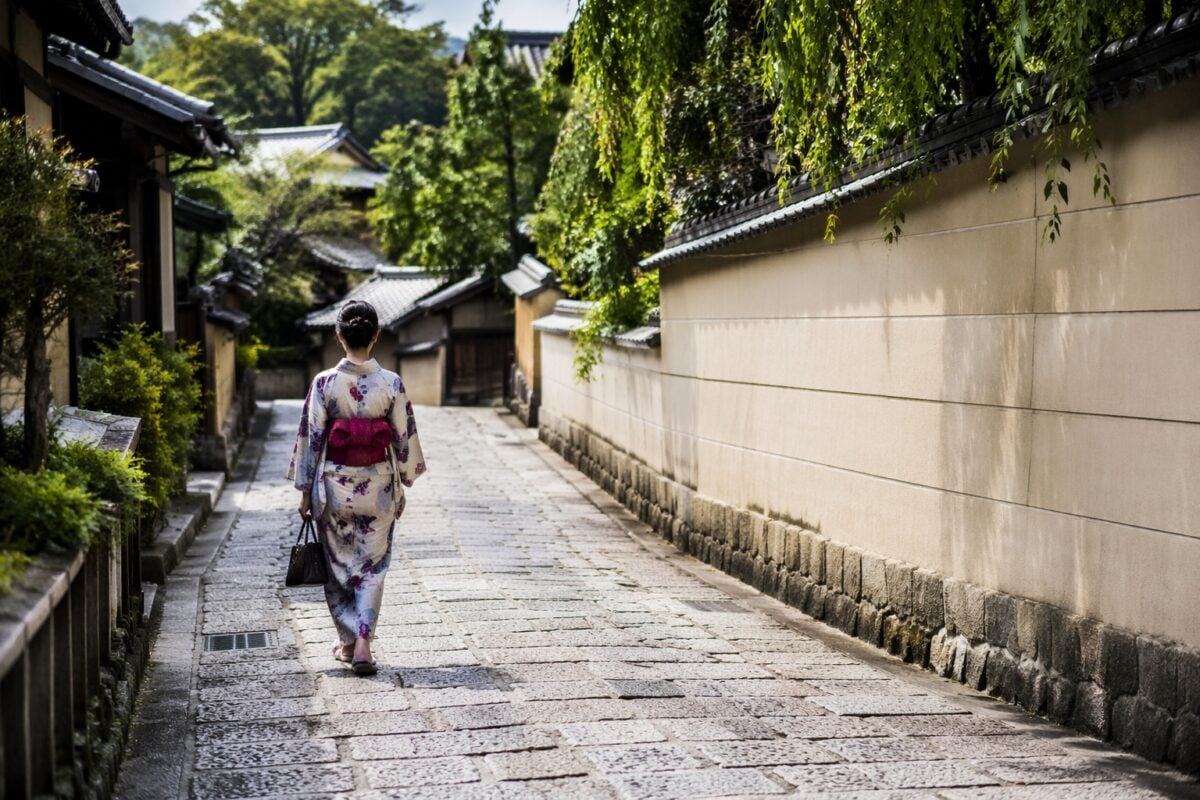
Start With a Clear Focal Point
Dynamic tension should not replace the subject. Before you add movement, decide where the viewer should land first.
In a portrait, that might be the face, expression, or gesture. In a landscape, it might be a road, tree, figure, ridge, or light pattern. In a street photo, it might be one person breaking a rhythm. In a product image, it might be the product edge, label, surface, or shape.
Once the focal point is clear, ask: How should the eye move toward it? That question keeps dynamic tension from becoming decoration.
You are not adding lines, patterns, or contrast because they look interesting by themselves. You are using them to support the subject. If the strongest line pulls away from the subject, move. If the pattern is stronger than the person, wait for a cleaner break. If the contrast sits in the wrong corner, reframe or reduce it later.
Dynamic tension works best when the viewer can still answer: What is this photo about?
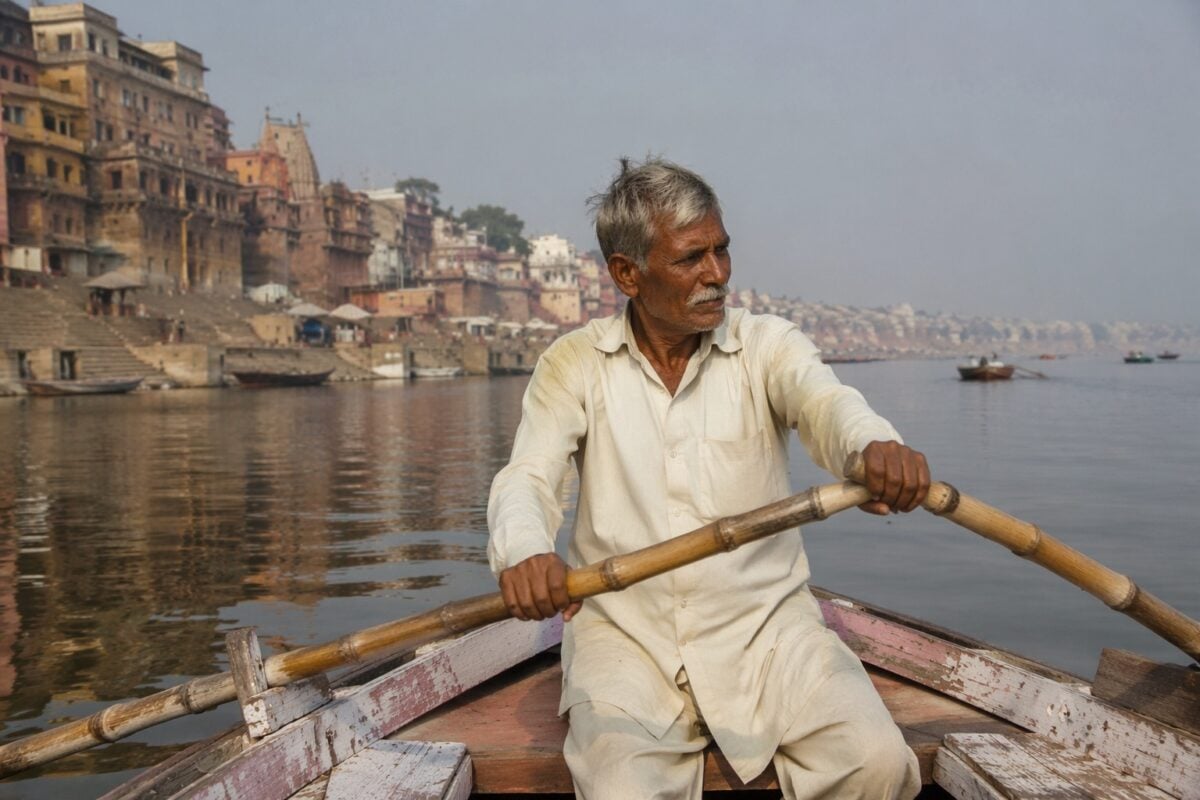
Use Patterns to Create Rhythm
Patterns create rhythm. They give the viewer’s eye something to follow.
You can find patterns almost anywhere:
- trees in a forest
- windows on a building
- shadows across pavement
- waves on a beach
- fence posts
- chairs in a venue
- flower rows
- tiled floors
- rock layers
- repeated figures in a crowd
Pattern is useful because it creates order. The viewer starts to understand the visual rhythm of the frame. That rhythm can move the eye deeper into the scene, across the frame, or toward the subject.
For photographers, the practical move is simple. Pause before shooting and identify the repeat.
Then decide whether the pattern is the subject, the path to the subject, or the background structure that supports the subject. If the pattern fills the whole frame with equal weight, the photo may become decorative instead of directional. Give the viewer an anchor. Pattern becomes stronger when it has a purpose.
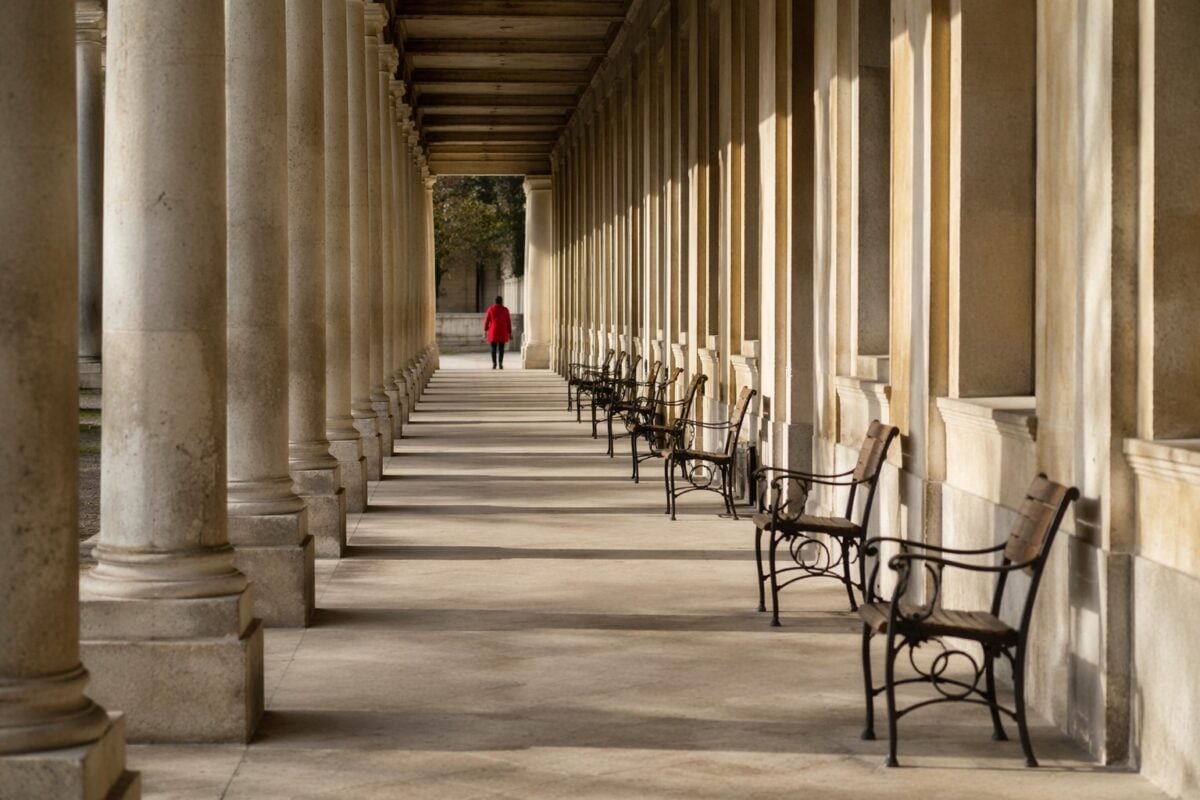
Break the Pattern to Create Attention
A pattern creates rhythm. A break in the pattern creates attention. This is one of the cleanest ways to use dynamic tension.
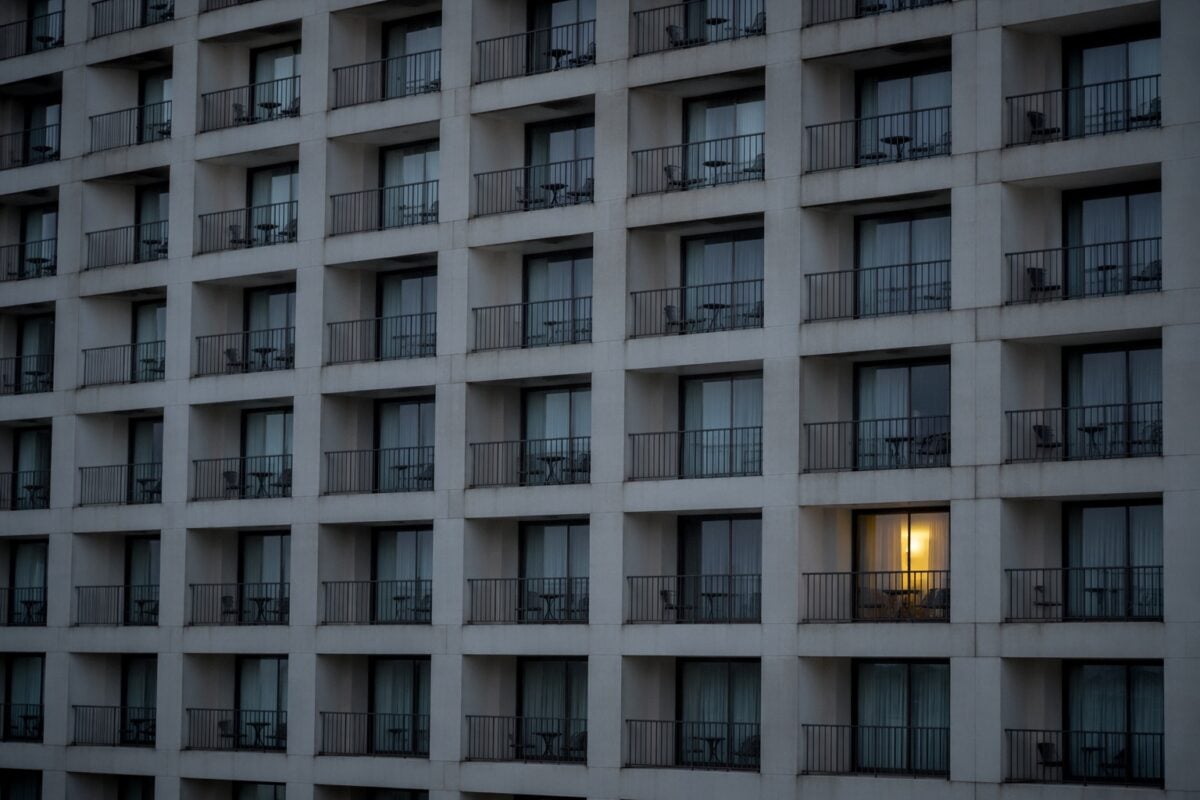
One person walking through a row of trees stands out. One red coat in a gray crowd pulls attention. One different flower in a field becomes important. One open chair in a repeated row creates a visual pause. One window with light inside can break a dark building pattern.
The break works because the viewer expects repetition, then finds difference.
That difference creates tension. This is useful when you want the subject to stand out without making it huge in the frame. Instead of centering the subject or using an obvious spotlight, you let the visual structure do some of the work.
The viewer reads the pattern first. Then they notice the interruption. That movement is the point.
Use Diagonal Lines and S Curves
Lines are one of the strongest tools for dynamic tension. Horizontal lines often feel calm. Vertical lines often feel stable. Diagonal lines feel more active because they cut across the frame and imply direction.
Look for diagonal lines in:
- roads
- trails
- staircases
- shorelines
- shadows
- fences
- mountain ridges
- building edges
- arms and body angles
- rows of people or objects
Diagonal lines can lead to the subject, connect two weighted areas, or create a sense of motion. They are especially useful when the photo needs more energy than a centered or level composition can provide.
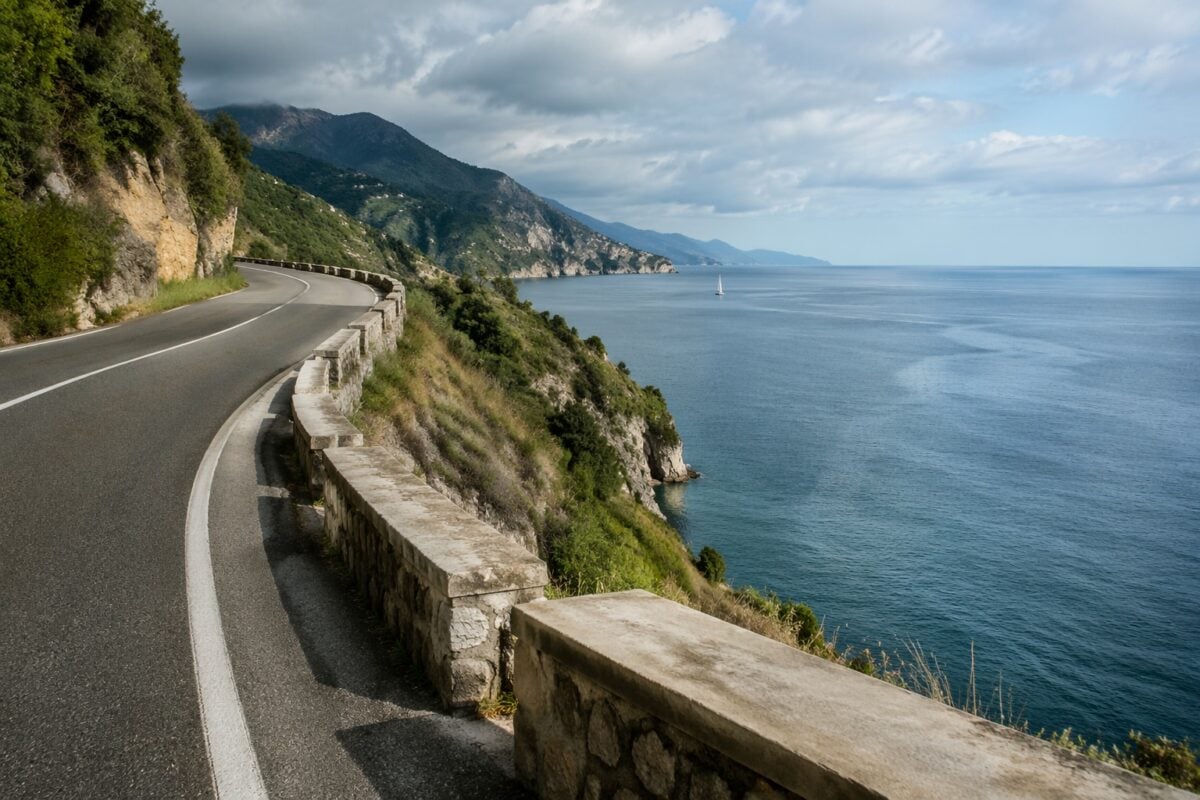
S curves are softer but just as useful. A winding road, river, shoreline, path, or body gesture can guide the eye in a more gradual way. Instead of cutting through the frame, the curve lets the viewer travel. This works well in landscapes, travel photography, wedding portraits, and environmental portraits where the mood should feel active but not harsh.
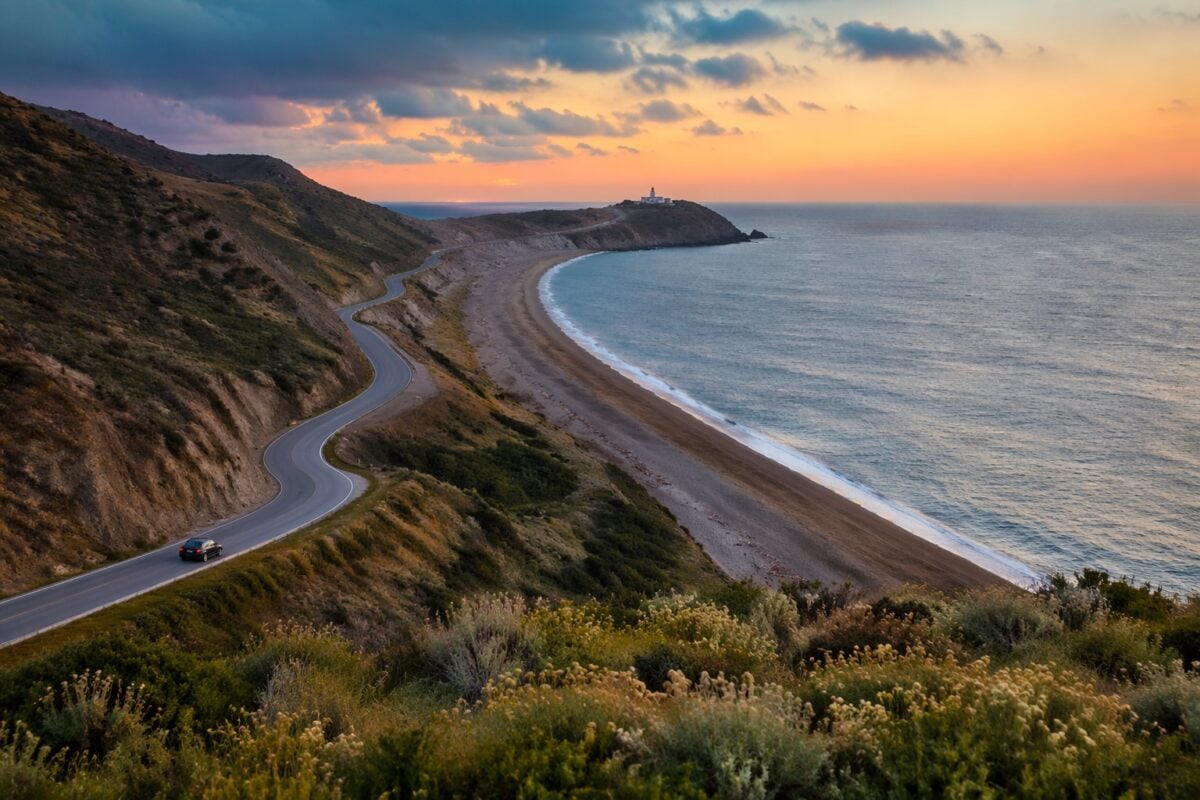
If a diagonal pulls the viewer away from the subject, it is not helping. Adjust your angle so the line leads into the frame, not out of it.
Use Shapes to Build Visual Pull
Shapes create structure. Triangles are especially useful because they move the eye between points. If three important elements sit in a frame, the viewer often travels between them naturally. That creates movement without needing physical action.
Other shapes can also create tension:
- a circle inside a square frame
- a curved arch around a straight body line
- a small figure against a large geometric wall
- a round subject inside hard architectural lines
- repeated rectangles broken by one human shape
The point is not to hunt for perfect geometry in every scene. The point is to notice when shape relationships already exist.
In a portrait, the shape may come from body angle, hands, negative space, and background lines. In a landscape, it may come from foreground rocks, mountain peaks, and sky shape. In product work, it may come from the relationship between the product, props, and shadow. Use shapes to connect the frame. Do not let them compete with the subject.

Create Contrast Between Elements
Contrast creates visual energy because it gives the viewer something to compare.
That contrast can be:
- light against dark
- warm against cool
- smooth against rough
- large against small
- sharp against soft
- organic against geometric
- stillness against movement
- clean space against detail
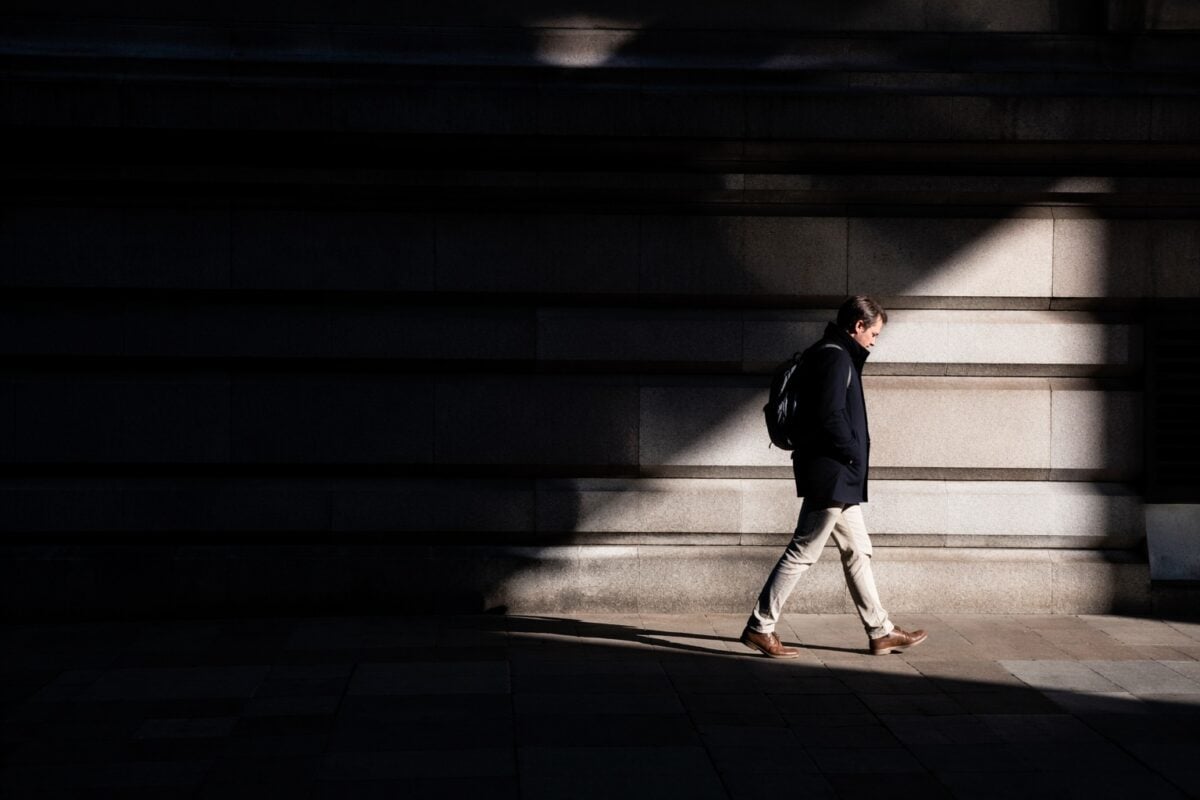
A small person against a huge mountain can create tension. Warm skin against a cool background can create tension. Smooth water beside rough rocks can create tension. A bright subject crossing a dark street can create tension.
Contrast also changes visual weight. The brighter, sharper, warmer, larger, or more recognizable element usually pulls more attention. That is useful when the subject carries the contrast. It becomes a problem when a background object, sign, highlight, or color patch carries more energy than the subject.
Use contrast to create movement, but keep hierarchy.
Use Separation Without Creating Clutter
Dynamic tension needs separation. If every element overlaps, merges, or competes, the eye cannot move cleanly.
Good separation can come from:
- space between subjects
- a clean background behind the subject
- light separating the subject from shadow
- color separating the subject from the environment
- a clear foreground, middle ground, and background
- negative space between important shapes
- a camera angle that prevents awkward mergers
This is especially important in busy scenes. Street, wedding, travel, and event photography often include too many competing elements. A small step to the left can separate a face from a background line. A lower angle can place the subject against open sky. Waiting half a second can stop two people from merging. A longer focal length can simplify the background.
Dynamic tension should feel active, not messy. Separation gives the eye room to move.

Use Horizons and Layers to Control Movement
Horizon placement affects dynamic tension. A low horizon can make the sky feel dominant. A high horizon can make the foreground feel stronger. A centered horizon can feel calm when reflection or symmetry is the point, but it can feel static when the frame needs movement.
Use the horizon as a divider. It can separate sky from land, foreground from background, or quiet space from detail. Layered horizons, such as rolling hills, ridgelines, water lines, or distant mountains, can move the eye upward through the frame.
Layers work the same way. Foreground, middle ground, and background can create a path. A rock in the foreground can lead to a person in the middle distance. A doorway can frame a subject inside a room. A street reflection can connect the viewer to a figure farther away.
The danger is equal weight. If every layer is bright, sharp, and busy, the frame becomes cluttered. Let one layer lead, one layer support, and one layer stay quiet.

How Dynamic Tension Works With Balance
Dynamic tension and balance are connected, but they are not the same thing. Balance makes a photo feel controlled. Dynamic tension makes a photo feel active. A strong composition can use both.
For example, a subject on the left can be balanced by negative space on the right, while a diagonal road pulls the eye from foreground to subject. A portrait can feel balanced by a quiet wall, while the subject’s body angle creates tension. A landscape can use a strong foreground rock and a distant mountain to create diagonal movement while still feeling stable.
The tension should not break the frame. It should activate it.
If the photo feels unbalanced by accident, the viewer may read it as a mistake. If the photo feels deliberately active, the tension makes the image stronger.
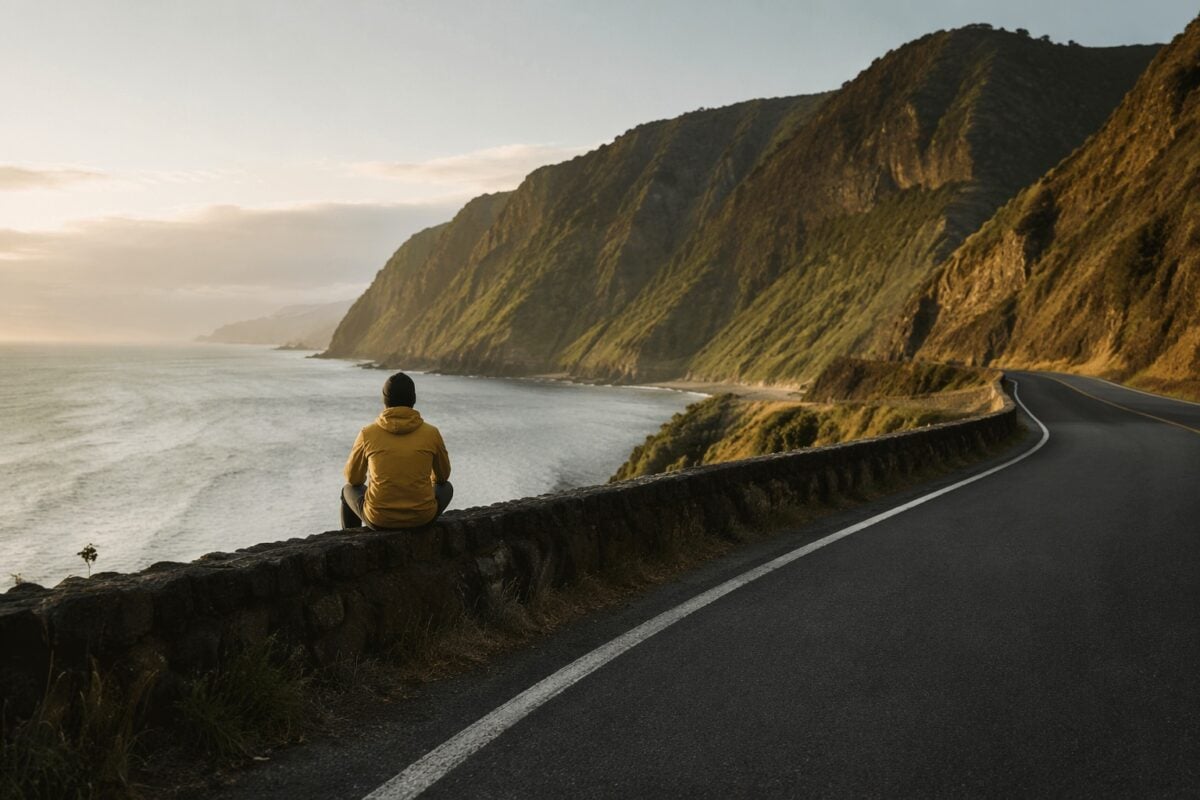
The practical test is simple: Does the eye move, then return to the subject? If yes, the tension is working. If the eye keeps escaping to the wrong edge, object, or highlight, the tension needs control.
Common Dynamic Tension Mistakes
The first mistake is adding too much energy. Too many diagonals, patterns, colors, and contrast points can make the frame feel restless. Dynamic tension needs a route, not noise.
The second mistake is losing the subject. If the line, pattern, or contrast is stronger than the subject, the viewer may remember the structure but not the photo’s point.
The third mistake is confusing clutter with tension. A busy scene is not automatically dynamic. It may just be busy. Separate important elements and remove distractions before you rely on the energy of the frame.
The fourth mistake is using diagonals that lead out of the image. A strong line can pull the viewer away if it exits the frame too aggressively. Reposition so the line carries the eye toward the subject or through the image.
The fifth mistake is overediting the tension. Heavy contrast, oversaturated colors, artificial vignettes, and extreme clarity can make visual energy look forced. The edit should help the viewer read the movement, not announce itself.
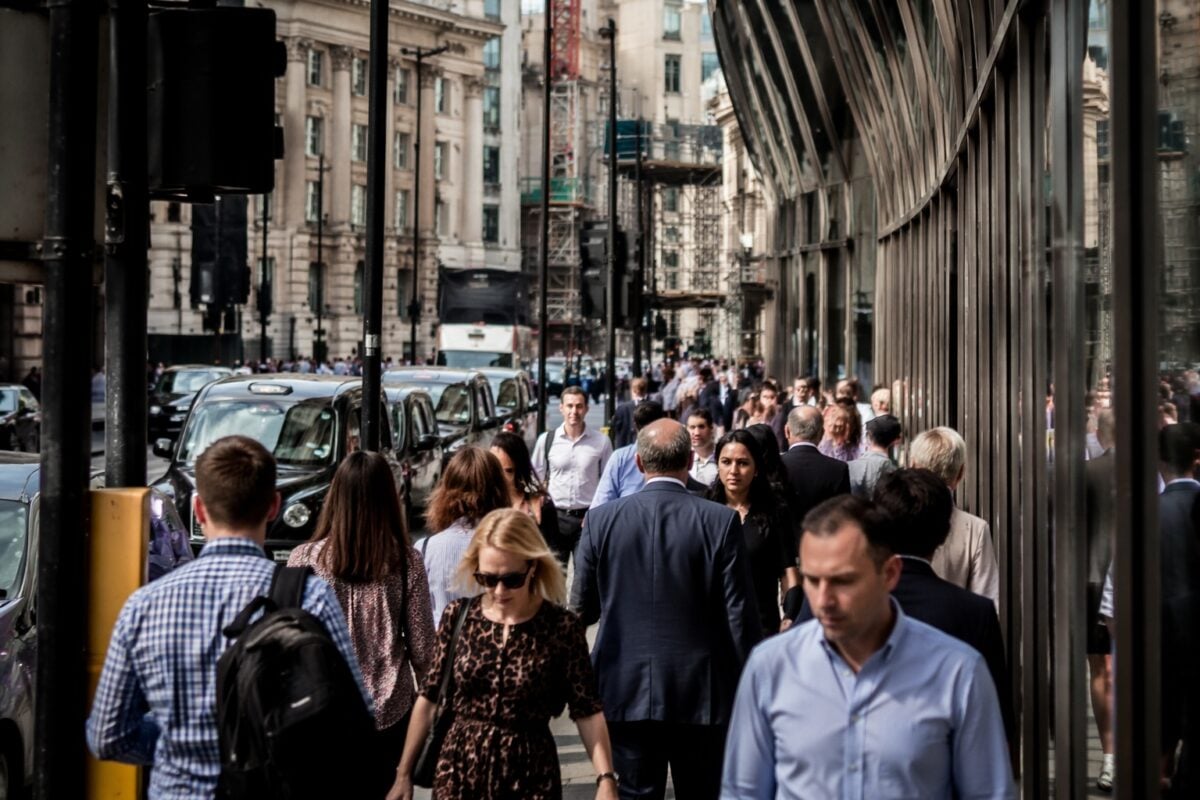
How to Refine Dynamic Tension in Post-Production
The strongest dynamic tension decisions happen while shooting. Post-production should refine them.
Start with crop and alignment. Keep the lines that guide the eye. Remove weak edge space. Straighten horizons unless tilt is part of the tension. Adjust perspective if architecture or interior lines make the frame feel unstable for the wrong reason.
Then control tone. Lift the subject if the eye needs help finding it. Lower a bright corner if it pulls attention away. Reduce contrast in areas that should stay secondary. Protect the line, pattern, or shape that creates movement.
Then refine color. If one color break is the subject, keep it strong. If a background color is stealing attention, reduce it. Avoid making every color equally loud.
Finally, clean distractions selectively. Remove or reduce small objects that interrupt the eye path in the wrong way: signs, cables, edge clutter, bright marks, or random background shapes. Do not clean so much that the image loses its real environment.
The goal is believable movement. The viewer should feel guided, not manipulated.
Where Evoto Fits in a Dynamic Tension Workflow
Dynamic tension often depends on small structural details.
A horizon needs to feel deliberate. A diagonal needs to lead somewhere. A repeated pattern needs a clean break. A subject needs enough separation from the background. One bright object near the edge can destroy the movement of the frame.
This is where post-production can support the composition without replacing it.
For line-based compositions, Evoto AI Crop Image can help refine the frame when a diagonal, S curve, or subject path needs cleaner edge control. Cropping should protect the movement that already exists, not remove the space that gives it energy.
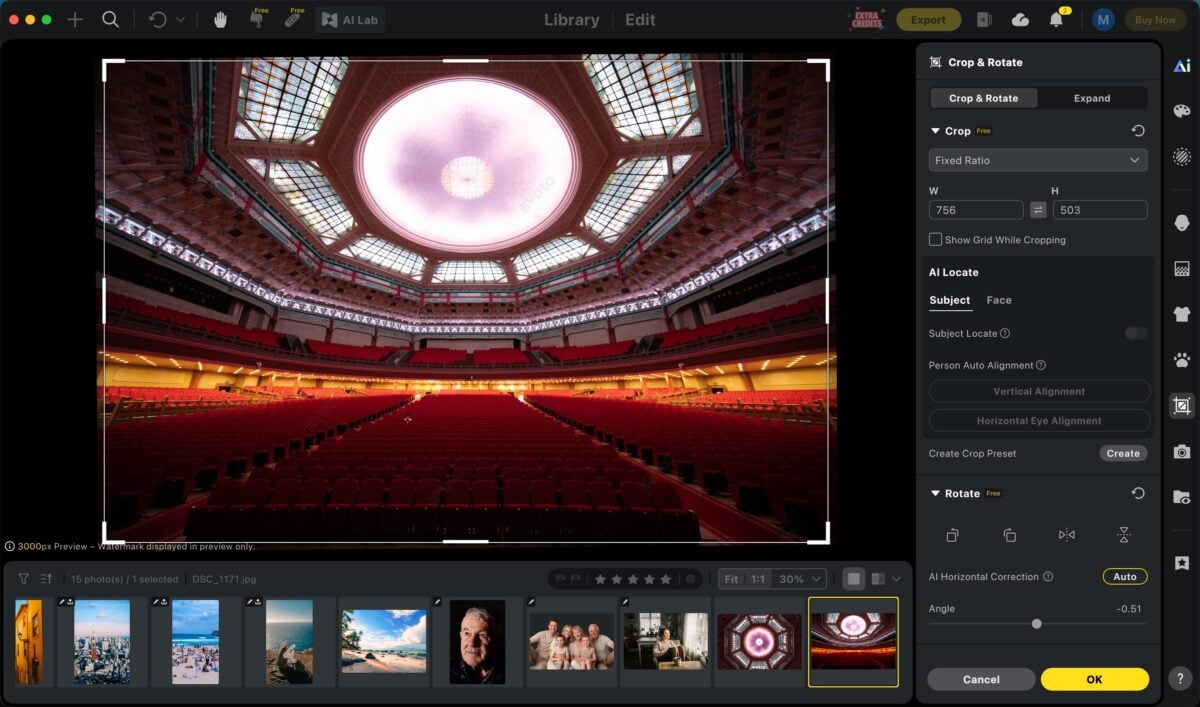
For RAW files with strong tonal movement, Evoto Camera RAW Photo Editor can support highlight recovery, shadow control, and cleaner contrast before you fine-tune the route through the frame.
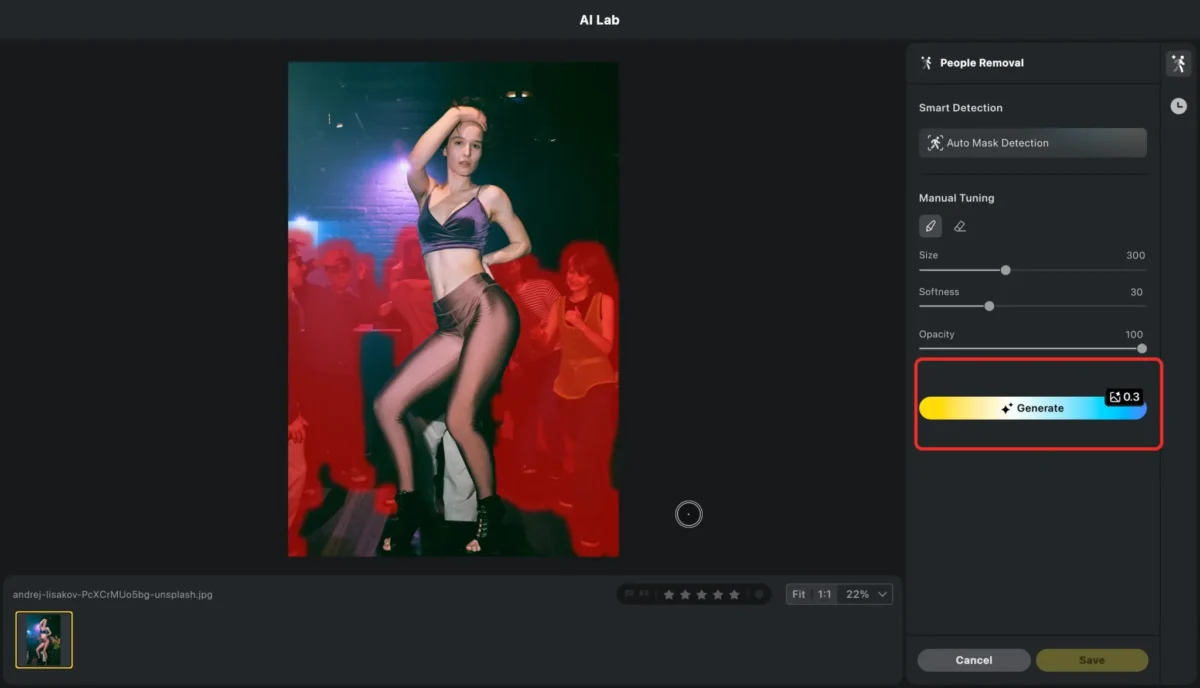
When the frame works but one object breaks the eye path, Evoto AI Object Remover can support targeted cleanup. This is useful for small signs, cables, trash, or edge distractions that carry too much attention.
Evoto’s guide to local adjustment also fits this workflow because many dynamic tension problems are local: one bright corner, one dull subject, one heavy shadow, or one color patch that needs less pull.
Use the tool to clarify movement, not to force drama.
The composition should still feel like it was built in camera.


Powerful AI Photo Editor
A Field Checklist for Dynamic Tension
Before shooting, ask:
- What is the main subject?
- Where should the eye land first?
- What line, pattern, shape, or contrast moves the eye next?
- Does that movement support the subject?
- Is there a pattern worth using?
- Is there a clean break in the pattern?
- Do any elements merge awkwardly?
- Does the horizon placement create movement or stop it?
- Is the frame active or just cluttered?
After shooting, ask:
- Does the crop protect the strongest line or pattern?
- Does the eye move through the image and return to the subject?
- Is any corner pulling attention away?
- Does the color treatment make one area too loud?
- Would a subtle local adjustment clarify the route?
- Does the final image still feel believable?
This checklist keeps dynamic tension practical. It turns a loose composition idea into a repeatable field decision.
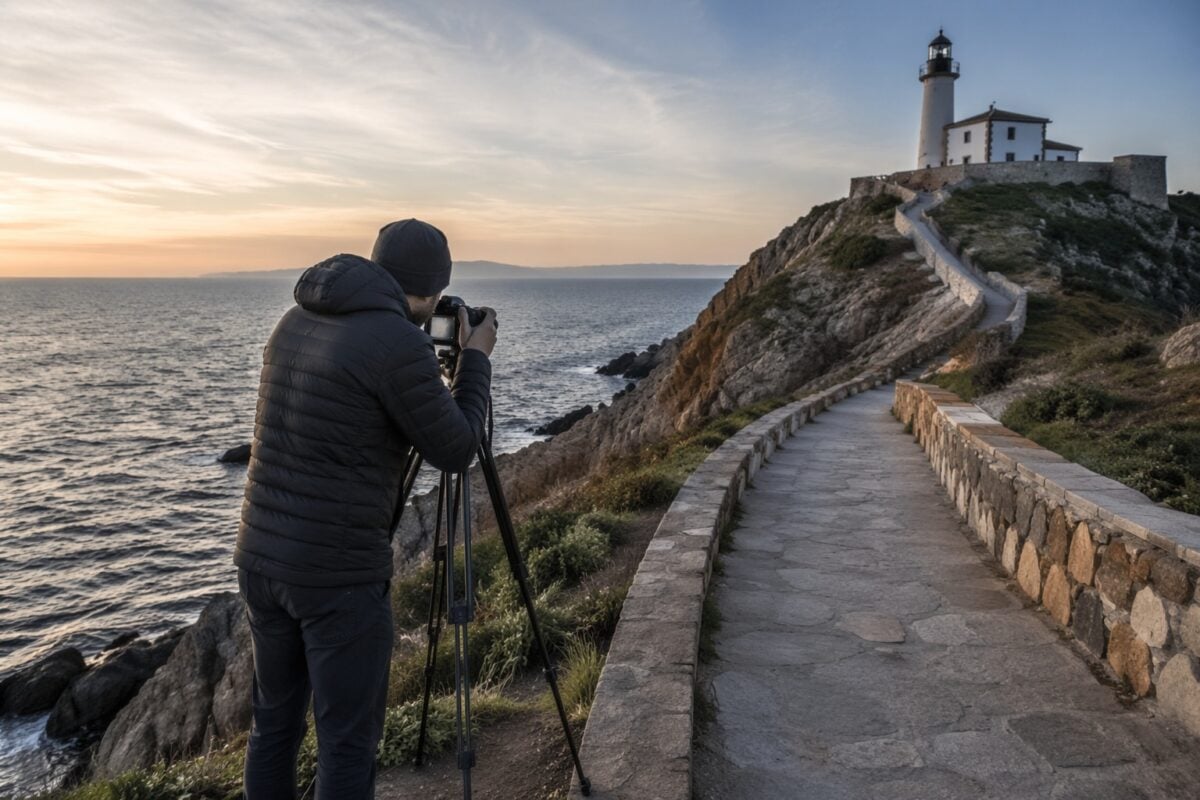
Final Thoughts
Dynamic tension in photography is how you create visual movement inside a still frame.
It can come from patterns, broken patterns, diagonal lines, S curves, shapes, contrast, spacing, horizons, and layered depth. It can make quiet scenes feel active and simple subjects feel more engaging.
But dynamic tension only works when it supports the subject.
Start with the focal point. Find the line, pattern, or contrast that can move the eye. Separate important elements. Use the horizon and layers with intent. Then refine the crop, tone, color, and distractions in post.
The goal is not a busy image.
The goal is a frame that keeps the viewer looking because every pull has a purpose.
FAQ
What is dynamic tension in photography?
Dynamic tension in photography is visual energy created by lines, patterns, contrast, shapes, spacing, or disruption inside a composition. It makes a still image feel more active by guiding the viewer’s eye through the frame.
How do you create dynamic tension in a photo?
You create dynamic tension by using diagonal lines, S curves, repeated patterns, broken patterns, contrast, shape relationships, horizon placement, and separation between important elements. The movement should support a clear focal point.
What is an example of dynamic tension in photography?
One example is a person walking through a row of repeated trees. The trees create rhythm, and the person breaks the pattern. That break draws attention and gives the frame visual energy.
What is the difference between balance and dynamic tension?
Balance makes a photo feel controlled or stable. Dynamic tension makes a photo feel active. A strong composition can use both by keeping visual weight organized while giving the eye a path to follow.
Do diagonal lines always create dynamic tension?
Diagonal lines often create dynamic tension because they imply direction and movement. But they only help if they lead the eye through the frame or toward the subject. A diagonal that pulls the viewer out of the image can weaken the composition.
Can dynamic tension make a photo too busy?
Yes. If there are too many patterns, lines, contrast points, or competing subjects, dynamic tension can turn into clutter. Keep one clear subject and use visual energy to support it.
Try Evoto AI Photo Editor
Retouch photos with Evoto AI and make your photos best! Available on Windows, MacOS and iPadOS.