

Some photos look flat even when the location is beautiful. The subject is there. The background is there. The light may even be good. But the image still feels like a postcard of the scene instead of a place the viewer can enter.
Often, the missing piece is the foreground. Foreground in photography is the part of the scene closest to the camera. It gives the viewer an entry point into the frame and helps a two-dimensional photo feel deeper, more layered, and more immersive.
For working photographers, foreground is not just a landscape trick. It can improve portraits, weddings, events, travel photos, street scenes, food photography, product images, architecture, and documentary work. A strong foreground can add scale, texture, framing, atmosphere, and direction.
But foreground only works when it supports the subject. If it blocks the face, becomes too sharp, carries too much color, or competes with the main point of the image, it turns into clutter.
What Is Foreground in Photography?
Foreground is the part of the image closest to the camera. In a landscape, it might be rocks, flowers, grass, sand, water, or a path. In a portrait, it might be a doorway, curtain, branch, table edge, shoulder, window frame, or blurred flowers near the lens. In a street or wedding photo, it might be another person, a reflection, a railing, or a shadow shape in front of the main action.
The foreground matters because a photograph is flat. The real scene has depth. Your camera turns that depth into a two-dimensional frame. A well-used foreground helps rebuild the feeling of space. It gives the viewer a place to enter the image, then guides them toward the subject.
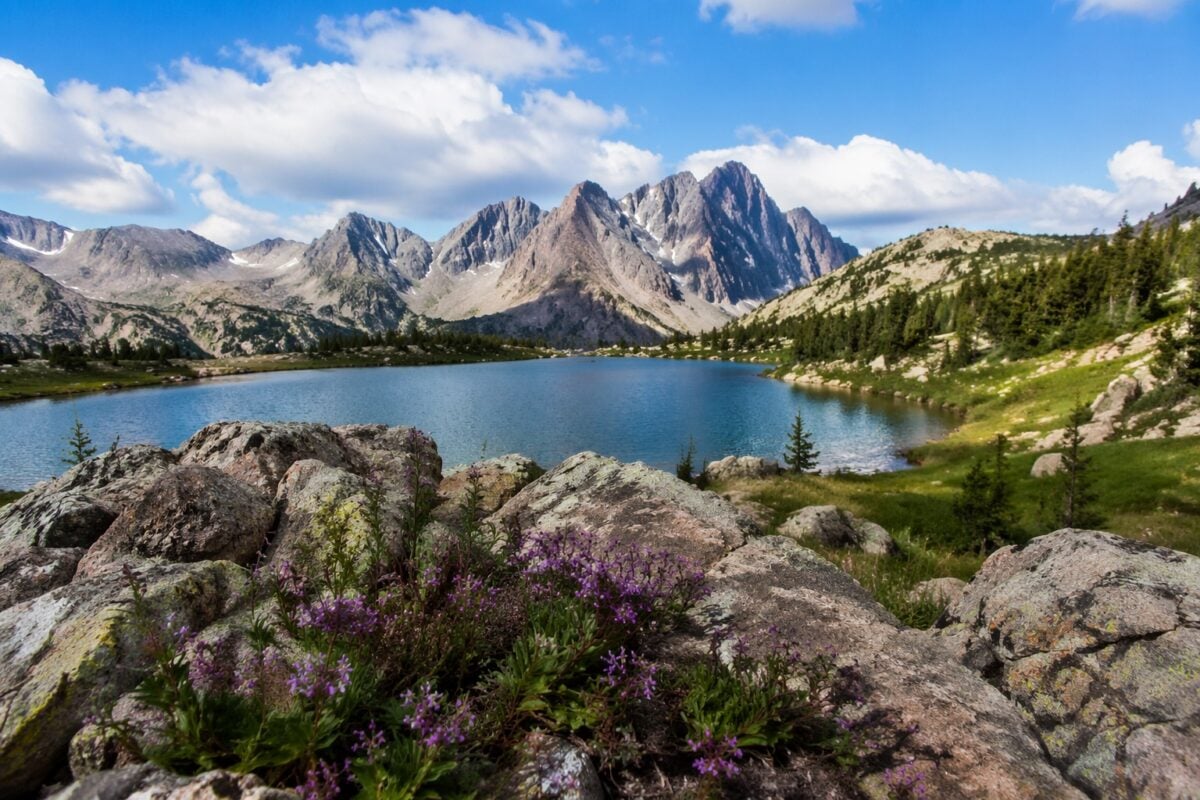
This is why foreground is closely connected to framing in photography, leading lines, depth of field, and perspective. It changes how the viewer moves through the frame.
A strong foreground can make the viewer feel like they are standing inside the scene instead of looking at it from outside.
Foreground, Middle Ground, and Background
Most layered photos can be read in three zones:
| Layer | Role in the Photo |
| Foreground | Closest to the camera; creates entry, scale, texture, or framing |
| Middle ground | Often where the main subject or action sits |
| Background | Gives setting, atmosphere, distance, or context |
The middle ground is often where the subject lives. The background explains where the subject is. The foreground helps the viewer move into the frame.
For example, in a mountain landscape, rocks in the foreground can lead the eye toward a lake in the middle ground and mountains in the background. In a wedding photo, a blurred guest in the foreground can make the viewer feel hidden inside the moment while the couple remains the subject. In a portrait, soft flowers in front of the lens can add atmosphere, but the face still needs to stay visually strongest.
The key is hierarchy. One layer should lead. One should support. One should stay quiet.
If the foreground, subject, and background all fight equally, the photo becomes busy. The viewer may see many things, but they do not know what matters.
Why Foreground Adds Depth
Foreground adds depth because it creates distance relationships. When the viewer sees something close to the camera and something farther away, the image feels more three-dimensional. This works especially well when the foreground connects to the rest of the frame through shape, line, light, or focus.
A path in the foreground can guide the eye into the background. A rock near the lens can make a mountain feel farther away. A curtain edge can frame a portrait subject. A table setting can lead into a food scene. A crowd shoulder in the foreground can make an event photo feel more immediate.
Foreground can also create scale.
A small hiker feels more impressive when framed by large foreground rocks and distant cliffs. A product can feel more premium when placed on a textured surface close to the camera. A portrait can feel more intimate when the foreground gives the viewer a sense of physical space.
But depth should not be added just to make the photo look more complex.
Foreground is useful only when it helps the subject. If the foreground does not guide, frame, ground, simplify, or add context, it may not need to be there.
Start With the Subject First
Many foreground mistakes happen because the photographer finds an interesting foreground before deciding what the photo is about.
A rock looks good. A branch looks good. A window looks good. A doorway looks good. Then the photographer builds the whole frame around that object, even though it is not the real subject. That usually creates a backwards composition.
Start with the subject first.
Ask:
- What should the viewer notice first?
- Where should the eye go after that?
- Does the foreground help that path?
- Is the foreground stronger than the subject?
- Would the photo be clearer without it?
If the subject is a person, the face, eyes, gesture, or body language usually needs to win. If the subject is a product, the product shape, label, texture, or detail needs to stay clear. If the subject is a landscape, the foreground should help the viewer understand scale, depth, or direction.
Foreground is a supporting layer. It should not steal the job of the subject unless the foreground itself is the subject.
Use Sharp Foreground for Structure
A sharp foreground works when the foreground contains useful information. This is common in landscape, architecture, real estate, travel, product, and documentary photography. Sharp foreground detail can give the viewer something to study before moving deeper into the frame.
Use sharp foreground when:
- foreground texture matters;
- the scene needs strong depth;
- a path, road, river, or pattern leads into the frame;
- the foreground gives scale to a larger background;
- the photo needs front-to-back clarity;
- the environment is part of the story.
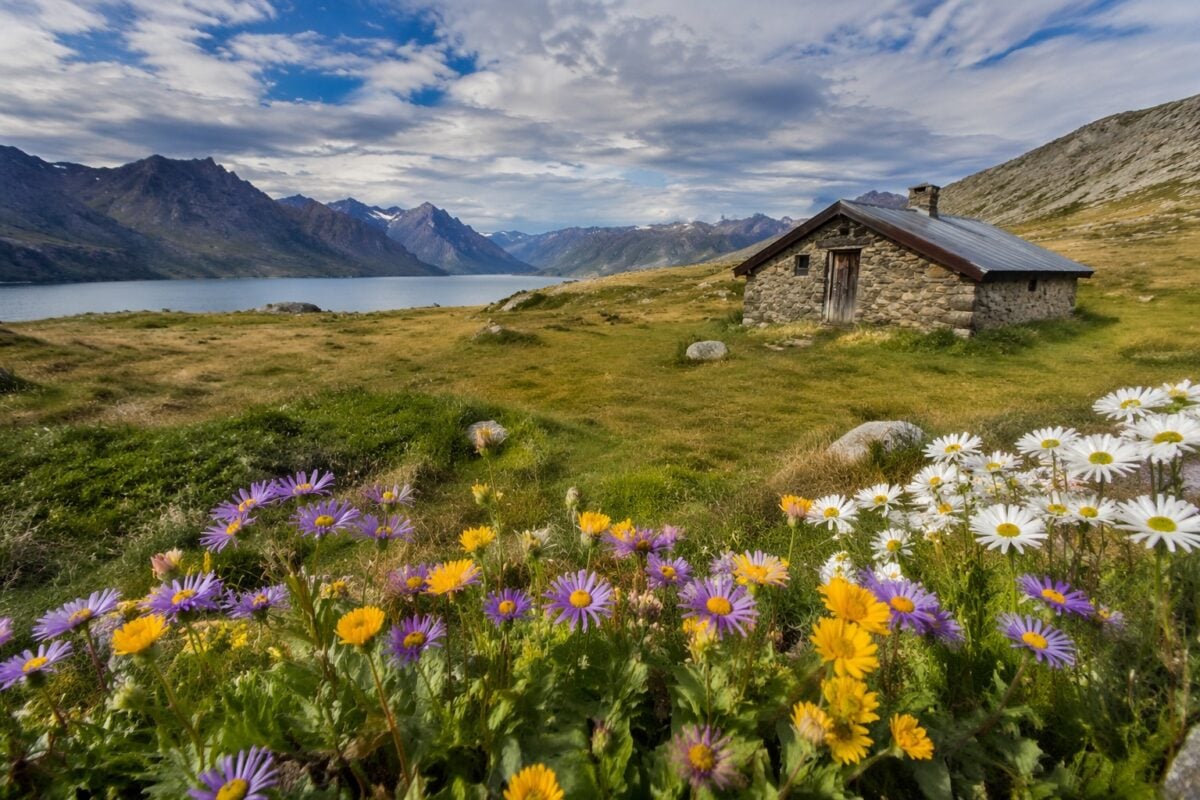
In landscape photography, a narrow aperture can help keep foreground and background sharp. This is useful when rocks, flowers, water, or sand patterns in the foreground are part of the composition. For deeper scenes, photographers may also think about hyperfocal distance so the foreground and background both stay acceptably sharp.
However, sharpness increases visual weight. If the foreground is sharp, bright, colorful, and detailed, it may become more important than the subject. That can work if the foreground is the subject. But if the main story is farther back, the foreground may need to be quieter.
Sharp foreground should feel intentional, not accidental.
Use Soft Foreground for Atmosphere
A soft foreground works differently. Instead of giving the viewer clear detail, it adds mood, depth, and separation. This is common in portraits, weddings, events, food, fashion, and documentary work.
Soft foreground can be created with flowers, leaves, glass, fabric, candles, reflections, people, doorways, or objects placed close to the lens. A wider aperture and longer focal length can help the foreground blur while the subject stays sharp.
This can make the photo feel more intimate. The viewer feels like they are looking through something into the scene. That can add privacy, romance, energy, or atmosphere.

But soft foreground is risky. If the blur covers the subject’s face, hands, product detail, or important gesture, it becomes a mistake. If the blur is too bright, too saturated, or too large, it can pull attention away from the subject. If the blurred shape looks like a random smear, it may feel less artistic and more accidental.
Use soft foreground when it creates depth without hiding the point of the photo. A little blur can feel immersive.
Too much blur can feel like obstruction.
Use Foreground as a Natural Frame
Foreground framing happens when something close to the camera surrounds or partially contains the subject. This might be a doorway, window, arch, branch, curtain, mirror edge, table setting, shoulder, crowd, or piece of architecture. The foreground becomes a frame that points attention inward.
This is useful because it gives the viewer a clear visual route. The eye enters through the foreground and lands on the subject.
Foreground framing works well in environmental portraits, wedding and engagement photography, street scenes, travel photography, interiors, documentary work, product lifestyle images, and food photography.

The best foreground frames are supportive. They add depth, context, or mood without becoming louder than the subject.
If the viewer notices the frame before the subject, the frame is probably too strong. Make it darker, softer, simpler, less sharp, or farther from the subject. You can also change your camera position so the frame no longer cuts through important details.
A foreground frame should guide attention. It should not trap the subject.
Use Foreground to Lead the Eye
Foreground often works best when it gives the viewer a path. Roads, rivers, fences, staircases, shadows, rails, shorelines, table edges, rows of chairs, and field lines can begin in the foreground and lead the eye deeper into the photo.
This is where foreground connects naturally with leading lines. The line does not have to be obvious. It only needs to create direction. A path that starts near the camera and moves toward the subject can make the image feel deeper. A river can carry the eye through a landscape. A railing can lead toward a person. A row of plates can guide attention toward the hero dish in a food photo.

The important question is simple: Where does the foreground lead?
If it leads toward the subject or into useful space, it helps. If it leads out of the frame, toward a bright distraction, or away from the main point, it weakens the photo.
Foreground direction should support the composition. It should not send the viewer away from it.
Common Foreground Mistakes
The first mistake is adding foreground just because the frame feels empty. Not every photo needs a strong foreground. Some images work better with negative space, clean backgrounds, or a direct subject. Adding a random rock, branch, flower, or object can make the photo feel forced.
The second mistake is letting the foreground block the subject. This is common in portraits and weddings. A blurred leaf across the face, a candle over the hands, a guest shoulder covering the couple, or a doorway cutting through the body can ruin an otherwise strong moment.

The third mistake is making every layer equally sharp and busy. If the foreground, middle ground, and background all have the same detail and contrast, the viewer may not know where to look. Depth needs hierarchy, not just layers.
The fourth mistake is using foreground that is too bright. Bright foreground shapes can pull attention away from the subject, especially near the frame edge. A white table, shiny rock, bright flower, or reflective object near the lens may become heavier than expected.
The fifth mistake is forgetting the crop. Foreground often sits near the frame edge. Awkward cuts can make it feel accidental. If a foreground object is important, give it enough shape to read. If it is not important, crop or soften it so it does not distract.
The sixth mistake is over-editing the foreground. Pushing texture, clarity, or saturation in the foreground can make it too heavy. In many photos, the foreground should sit back, not shout.
Where Evoto Fits in a Foreground Workflow
Foreground decisions should happen in camera first.
Move closer. Step back. Lower the camera. Raise it. Change the angle. Open the aperture. Stop down. Wait for the foreground to clear. Decide whether it should be sharp, soft, dark, bright, or only partly visible.


Powerful AI Photo Editor
Post-production should refine that decision.
If a small object in the foreground is pulling attention away from the subject, Evoto’s AI Object Remover can help clean up minor distractions without rebuilding the whole scene. This is useful for stray branches, trash, edge clutter, small signs, or foreground objects that weaken an otherwise strong composition.
If the foreground and subject need separate treatment, Evoto’s AI Masking Editor can help isolate areas like subject, background, clothing, or specific objects so the edit stays controlled. That matters when the foreground needs to be darker, softer, less saturated, or less contrasty while the subject stays clear.
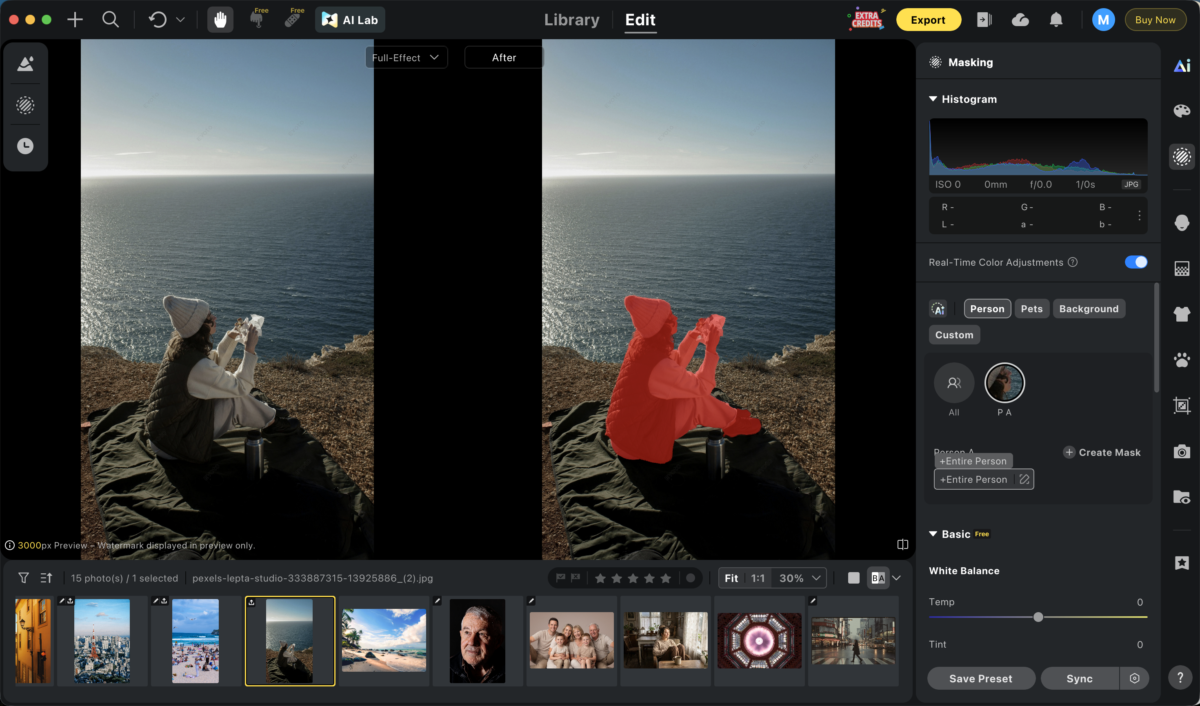
For smaller tonal fixes, Evoto’s guide to local adjustment is useful because many foreground problems are local problems: one bright corner, one dark subject, one distracting color patch, or one foreground shape that needs to sit back.
Cropping also matters. If the foreground is useful but too dominant, a tighter crop may reduce its weight. If the foreground creates depth but cuts awkwardly at the edge, a wider crop may give it room. Evoto’s AI Crop Image can support faster framing when you need cleaner boundaries or consistent ratios across a delivery set.
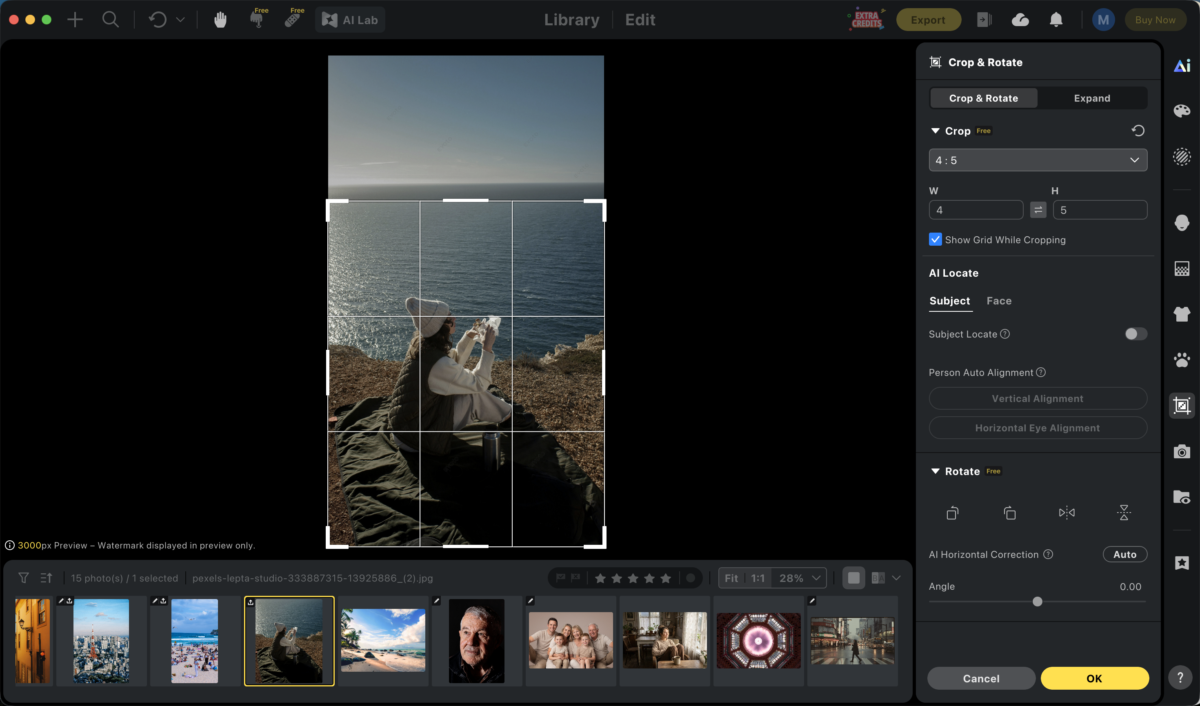
Photographer using local edits to reduce a bright foreground distraction while keeping the subject clear
The goal is not to fake foreground depth after the fact.
The goal is to finish the frame you already built: clearer subject, cleaner entry point, better layer balance, and fewer distractions.
Foreground Checklist for Better Photos
Before you press the shutter, ask:
- What is the main subject?
- Does the foreground help the viewer reach that subject?
- Should the foreground be sharp or soft?
- Is the foreground too bright, colorful, or detailed?
- Is it blocking the face, gesture, product, or action?
- Does it add depth, scale, context, framing, or direction?
- Does it connect to the middle ground and background?
- Would moving lower, closer, farther back, left, or right improve the layers?
- Would the photo be stronger with less foreground?
- Are the edges clean?
Before export, ask:
- Does the foreground still support the subject?
- Did editing make the foreground too heavy?
- Are there small objects that need cleanup?
- Does crop protect the foreground shape?
- Does local contrast guide the eye into the frame?
- Does the final image feel layered without feeling cluttered?
Foreground is powerful because it gives the viewer a place to begin.
Make sure it begins the right story.
Final Thoughts
Foreground in photography is not decoration. It is the first layer of the image. It can create depth, scale, framing, atmosphere, and direction. It can make landscapes feel larger, portraits feel more intimate, event photos feel more immersive, and product images feel more tactile.
But foreground only works when it serves the subject. A strong foreground leads the viewer into the photo. A weak foreground blocks the subject, steals attention, or adds visual noise.
Start with the subject. Choose the layer that helps the viewer enter the frame. Decide whether the foreground should be sharp or soft. Watch the edges. Then refine the final image with careful crop, masking, local adjustment, and restrained cleanup.
The best foreground does not simply fill the front of the frame.
It gives the viewer a reason to move deeper into it.
Try Evoto AI Photo Editor
Retouch photos with Evoto AI and make your photos best! Available on Windows, MacOS and iPadOS.